







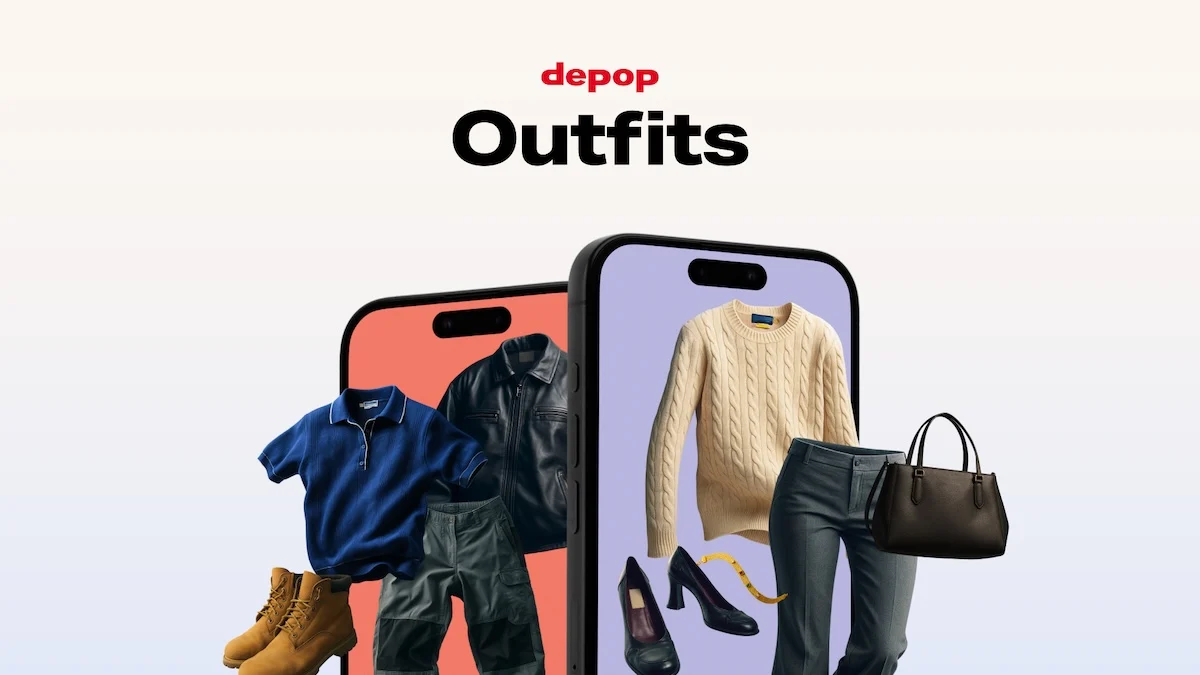
Popular fashion resale marketplace Depop has officially announced the rollout of a dedicated styling and collaging tool titled Outfits, marking a significant step in the platform’s ongoing evolution as both a social commerce destination and a community-driven shopping environment. The newly launched feature is engineered specifically to cater to users who enjoy assembling aesthetic fashion collages, offering a mood board-inspired digital workspace where creators and everyday shoppers alike can piece together fully realized outfits. Designed to inspire individual style and streamline the process of visual storytelling on the app, the tool bridges the gap between creative curation and frictionless e-commerce.
The timing of this digital product release coincides with a period of remarkable financial and operational momentum for the platform. Depop, which operates as a subsidiary of e-commerce giant Etsy, has recently demonstrated extraordinary growth within the competitive second-hand apparel sector. Driven by a surging consumer interest in sustainable fashion, vintage styles, and peer-to-peer commerce, the platform continues to capture market share across major demographics, cementing its status as a dominant force in the global resale economy.
Mechanics of the Outfits Feature
The Outfits tool is built directly into the Depop application interface, offering a streamlined, highly intuitive user experience that echoes the functionality found in standalone mood-boarding applications. To begin crafting an outfit collage, a user selects any individual listing they wish to feature and activates the tool by clicking a designated scissors icon located prominently on the right-hand side of the screen.
Once initiated, the interface opens a suite of customization tools. Users are given the freedom to incorporate vibrant, colorful backgrounds, adjust the scale and precise placement of clothing and accessory items, and utilize pre-designed layout templates that serve as compositional guides. This flexibility enables creators to establish distinct visual narratives, whether they are aiming for a minimalist aesthetic, a Y2K-inspired collage, or a seasonal capsule wardrobe concept.
Crucially, the utility of the Outfits feature extends far beyond mere aesthetic expression. Every single item showcased within a user-generated collage is fully shoppable. When prospective buyers interact with a collage, they can seamlessly click through to purchase the individual components that make up the look. Furthermore, in an effort to maintain inventory continuity and reduce friction in the purchasing pipeline, Depop has engineered intelligent fallback mechanisms into the feature. If a specific component of a curated outfit sells out, the application automatically generates recommendations for similar alternative items currently available on the marketplace, ensuring that the stylistic vision remains accessible to buyers.
Strategic Alignment with Gen Z Preferences
The introduction of the Outfits feature represents a calculated effort by Depop to capture the attention and loyalty of Generation Z consumers, a demographic that has fundamentally reshaped digital commerce and content creation habits. For younger internet users, visual curation has evolved from a passive pastime into an active form of identity expression and social currency. Mood boards, digital scrapbooks, and mixed-media collages dominate platforms frequented by this age group.
Depop’s strategic move mirrors broader industry trends toward collage-based social features. The phenomenon gained accelerated mainstream traction following Pinterest’s late 2022 rollout of Shuffles, a standalone collage-making application targeted specifically at younger demographics. Shuffles proved to be so successful at driving user engagement and cultural relevance that Pinterest subsequently integrated core collage functionalities directly into its primary platform. By offering a native styling tool that mirrors these digital habits, Depop ensures that its user base does not need to leave the ecosystem to create and share aesthetic content.
In addition to driving in-app engagement, the Outfits feature is built for cross-platform expansion. Users can export static images of their curated collages and share them directly across external social media networks, including Instagram and Pinterest. This outward-facing sharing capability acts as an organic marketing engine, allowing sellers and style influencers to drive external traffic back to their Depop storefronts while simultaneously amplifying the platform’s brand visibility across the wider social web.
Chronology and Platform Evolution
The launch of the Outfits feature is the latest milestone in a sustained effort by Depop to modernize its user interface and enhance the discoverability of inventory. Over the past several years, the marketplace has systematically rolled out enhancements designed to move beyond basic search-and-buy functionality, transforming into a hybrid space that combines social networking elements with transactional e-commerce.

By empowering sellers to act as personal stylists, Depop is addressing one of the traditional friction points of online vintage and resale shopping: the challenge of visualizing how disparate pieces fit together. While traditional e-commerce platforms often rely on studio-lit product photography against neutral backgrounds, Depop’s community has historically favored creative, highly personalized imagery. The Outfits tool formalizes and elevates this decentralized styling culture, giving both professional storefront owners and casual closet-clearers a sophisticated mechanism to present their goods in context.
Industry observers note that this feature release follows a broader pattern among modern resale platforms seeking to maximize inventory velocity. By encouraging users to bundle items conceptually into single visual units, the platform increases the likelihood of multi-item purchases, thereby boosting average order values and helping smaller independent sellers clear inventory more efficiently.
Financial Performance and Market Context
The arrival of the Outfits tool occurs against a backdrop of robust financial health for Depop, as evidenced by recent disclosures from parent company Etsy. According to Etsy’s official Q2 2025 financial report, Depop achieved a staggering 34.7% year-over-year increase in Gross Merchandise Sales (GMS) on a currency-neutral basis. This explosive growth trajectory has placed the resale platform firmly on track to achieve a landmark $1 billion GMS run rate.
This performance underscores the widening appeal of the second-hand market, even as macroeconomic pressures shift consumer spending habits. Depop’s impressive metrics stand out when contrasted with major competitors in the global resale arena. For instance, rival marketplace Mercari reported a Gross Merchandise Value (GMV) of $728 million for the fourth quarter of 2024, highlighting the competitive distance that top-tier platforms are striving to maintain through continuous feature innovation and user acquisition strategies.
Etsy’s acquisition of Depop in 2021 for approximately $1.62 billion has increasingly proven to be a strategic asset within the broader corporate portfolio. While Etsy continues to dominate the handmade and artisan goods sector, Depop provides the conglomerate with a direct pipeline to younger, fashion-forward consumers who prioritize circular fashion, thrift culture, and peer-to-peer commerce.
Broader Industry Implications and Outlook
The integration of advanced visual tools like Outfits signals a broader maturation of the social commerce model. As online marketplaces face mounting pressure to retain user attention in an increasingly saturated digital landscape, differentiation increasingly relies on community features that transform shopping into an immersive, creative experience.
For sellers on Depop, the tool offers a powerful new avenue for brand differentiation. In a marketplace populated by millions of individual listings, curation is a key driver of visibility. Sellers who possess a distinct aesthetic vision can now package their inventory into cohesive style narratives, potentially commanding higher engagement and fostering dedicated follower bases.
For buyers, the feature lowers the barrier to personal expression, allowing individuals with varying levels of formal styling experience to experiment with fashion combinations and discover new micro-trends directly within the marketplace. By marrying the exploratory joy of mood-boarding with immediate transactional capabilities, Depop has constructed a closed-loop system where inspiration effortlessly translates into commerce.
As the platform rolls out the Outfits feature globally to all app users, industry analysts will be watching closely to measure its long-term impact on user retention, basket sizes, and cross-platform sharing metrics. If the tool successfully captures the imagination of Gen Z shoppers in the same manner as independent collage applications, it could well establish a new baseline standard for how fashion resale platforms engage their communities in the years ahead.