







In the late summer of 1962, the editorial team at Esquire magazine published a definitive guide titled The Basic College Wardrobe. Designed to serve as a comprehensive packing manual for the mid-century undergraduate, the article outlined a rigorous sartorial standard that balanced academic decorum with the burgeoning casualization of American youth culture. While the specific brand recommendations and item counts from 1962 reflect the social mores of the early Kennedy era, the underlying structural principles of the list remain a cornerstone of modern menswear design. Today, this vintage document is frequently cited by textile historians and fashion consultants as an early, unbranded precursor to the modern "capsule wardrobe"—a concept emphasizing inter-compatibility, garment longevity, and the reduction of decision fatigue.

Historical Context and the Evolution of Academic Dress
To understand the enduring relevance of the 1962 list, one must first consider the academic climate of the era. The early 1960s represented a transition point in American higher education; the Ivy League style was reaching its zenith, defined by the "natural shoulder" silhouette, oxford cloth button-downs, and a preference for natural fibers such as wool, cotton, and silk. At the time, universities were viewed as institutions where the sartorial discipline of a student was intrinsically linked to their intellectual rigor.
The 1962 Esquire list was not merely a consumer guide; it was an instructional framework intended to ensure that a young man was prepared for every social contingency, from formal evening events to the rigors of autumn football games. By providing a finite list of essential items, the magazine sought to instill the habit of intentional purchasing, a practice that stands in stark contrast to the rapid-cycle consumption patterns observed in the contemporary retail landscape.
A Structural Analysis of the 1962 Template
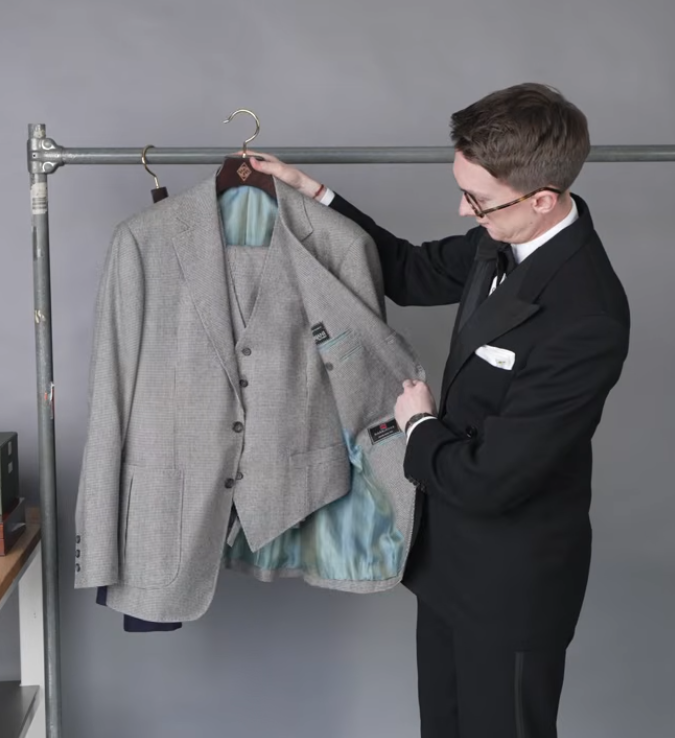
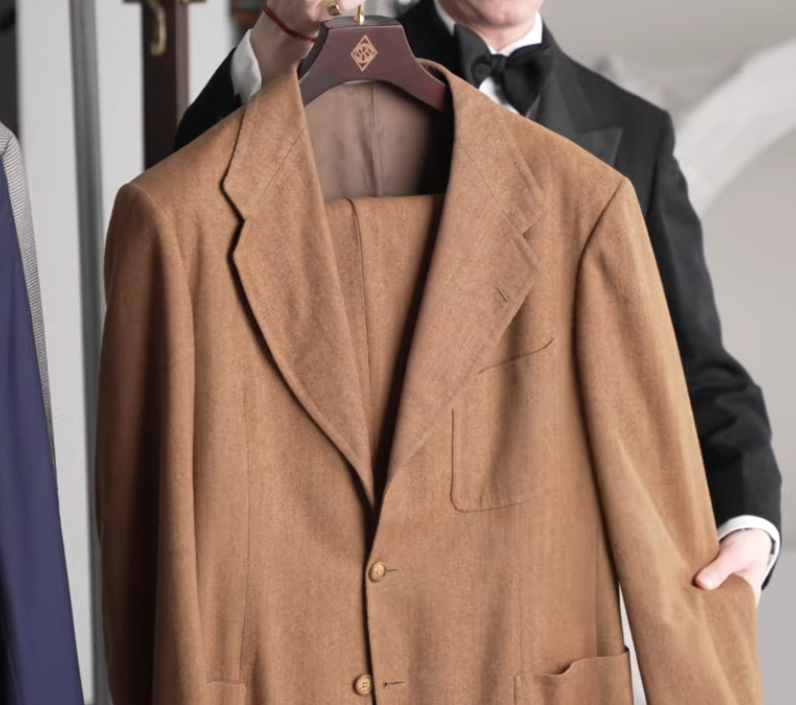
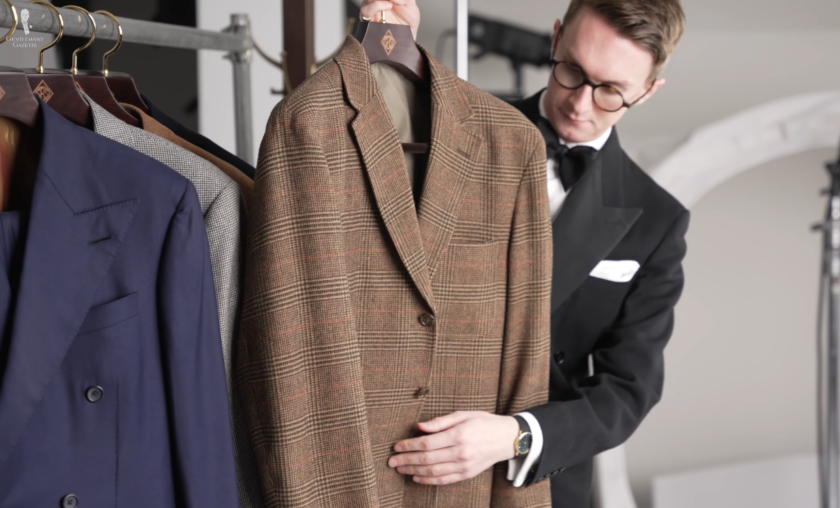
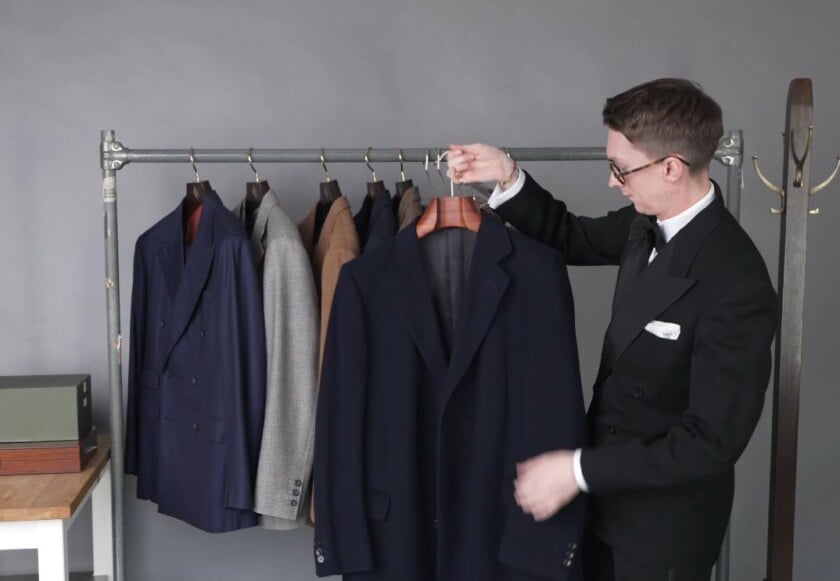
The 1962 wardrobe was predicated on a specific ratio of suits to casual attire, designed to allow for the maximum number of outfit permutations from a limited pool of garments. The fundamental requirement for three suits—a dark blue, a medium gray, and a textured tweed or herringbone—formed the backbone of the collection.
Modern analysis of this triad reveals its efficiency:
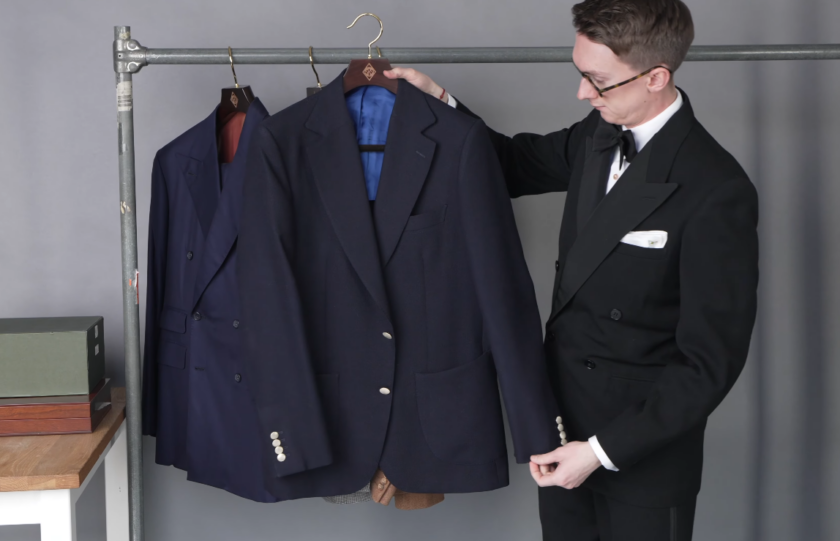
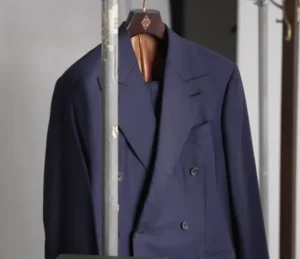
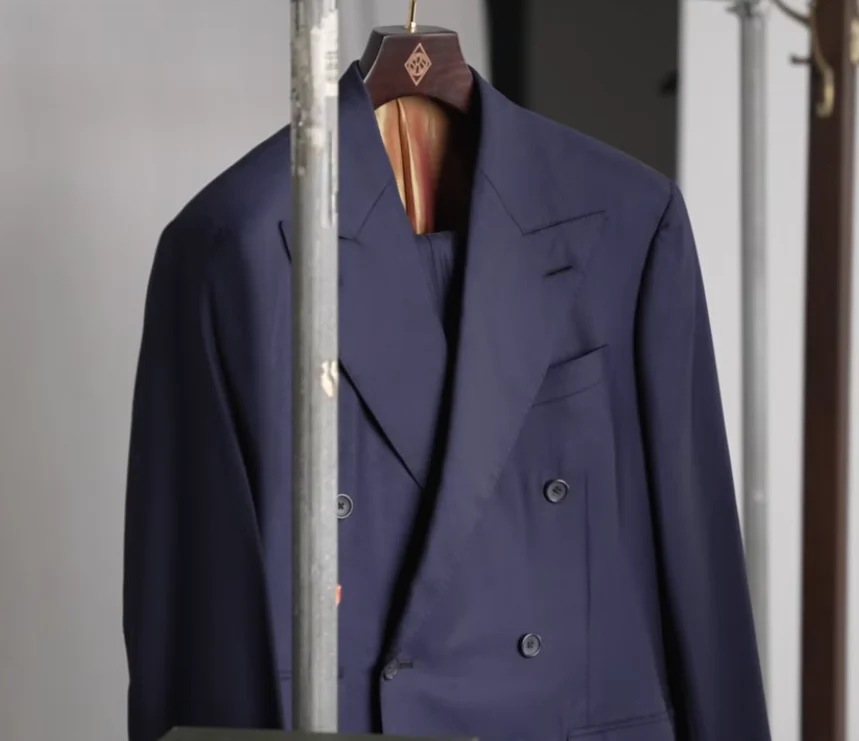
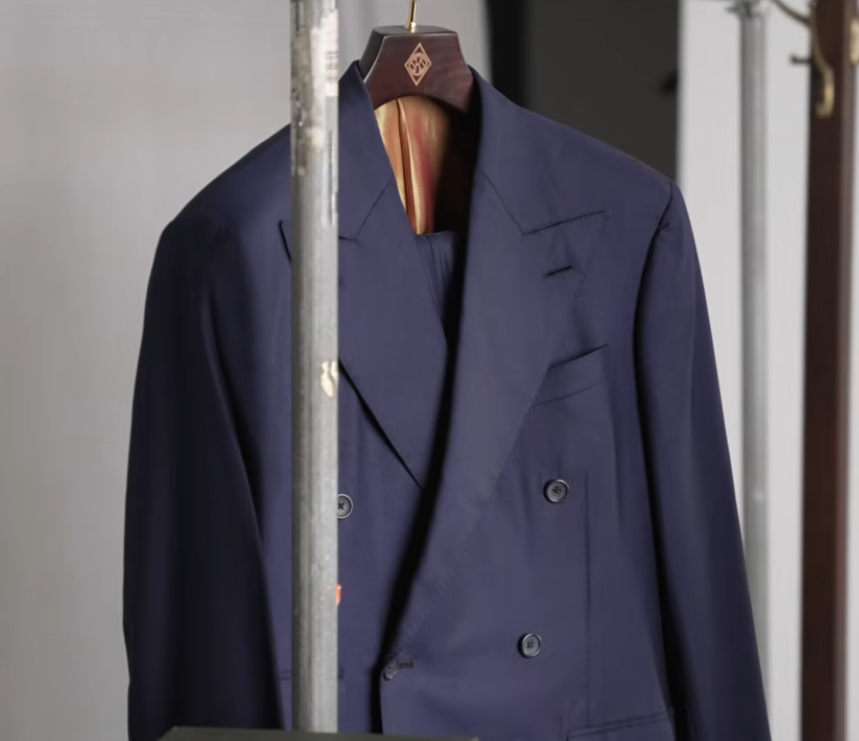
- The dark blue suit, traditionally paired with a waistcoat, serves as the primary formal anchor.
- The medium gray flannel suit offers a neutral mid-tone that facilitates the transition between professional and social settings.
- The tweed or Shetland wool suit introduces texture and color, providing the necessary contrast for less formal academic environments.
By substituting contemporary versions—such as replacing a standard suit jacket with a double-breasted model or opting for patch pockets—the 1962 template can be adapted to current trends without compromising the core integrity of the wardrobe. Data from retail analysts specializing in menswear suggest that a "triad" approach to tailoring effectively increases the utility of a wardrobe by 300% compared to a collection composed of single, standalone pieces.
The Shift in Outerwear Requirements
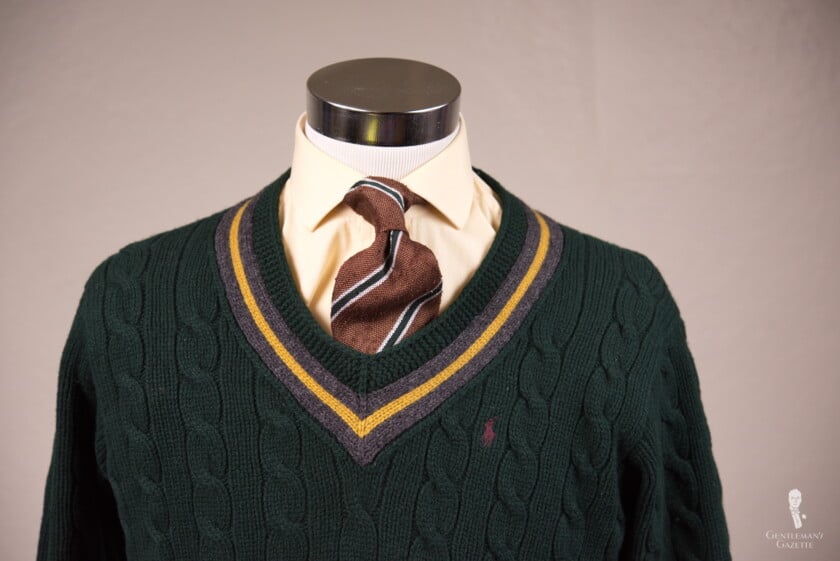
Perhaps the most significant divergence between the 1962 recommendations and modern necessities lies in the "outerwear" category. The original list called for a stadium coat, a term encompassing heavy shearling or thick wool-pile garments that have largely fallen out of favor due to the rise of lighter, more breathable synthetic materials.

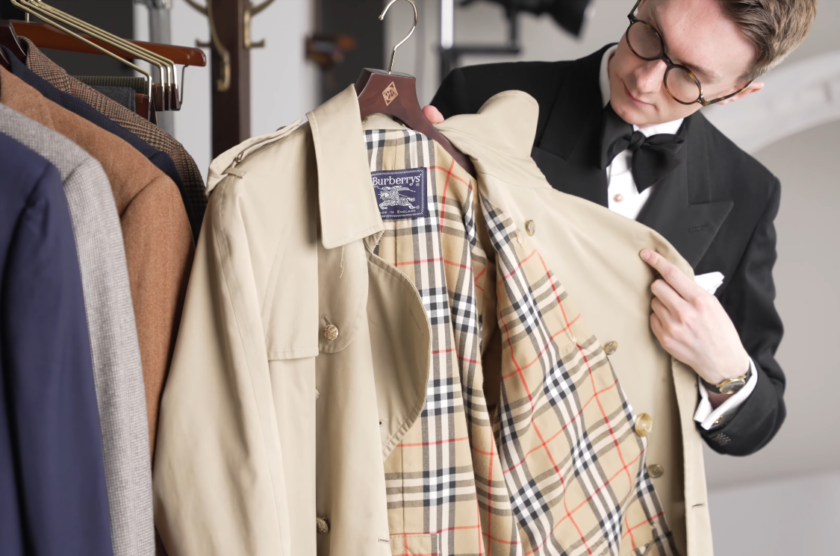
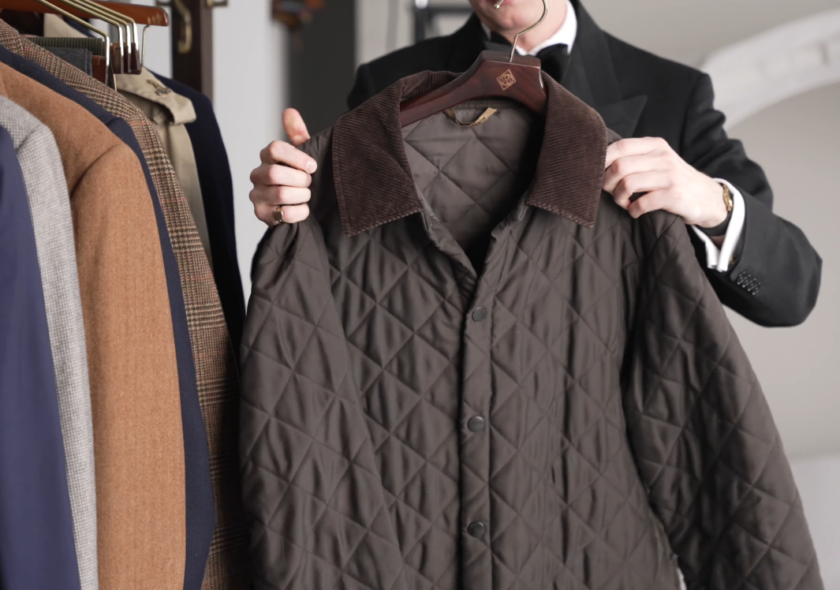
Modern wardrobes have replaced the cumbersome stadium coat with functional, technical, or hybrid layers. For instance, the inclusion of a quilted Barbour-style jacket or a performance-lined trench coat satisfies the requirement for weather protection while maintaining the aesthetic sensibilities of the original list. Professional stylists note that this shift reflects a broader societal move toward "active-classicism," where garments must be as functional in a rain-drenched urban commute as they are at a campus dinner.

Reassessing the Shirt and Neckwear Ratios
The 1962 list was particularly aggressive regarding shirt quantities, recommending fifteen total pieces, including nine Oxford cloth button-downs. For the modern professional or student, this volume is widely considered excessive. Current fashion logic suggests that the category of the shirt is more important than the quantity.
A balanced modern wardrobe mirrors the 1962 distribution but scales it for contemporary laundry habits:
- White and Blue Oxfords: These remain the essential workhorses.
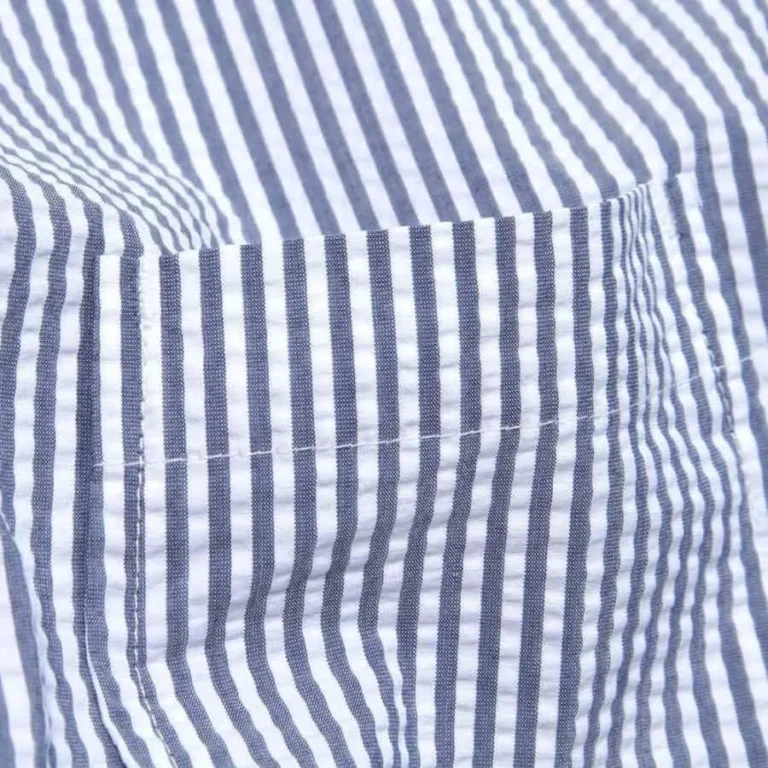
- Striped Options: Vertical stripes provide visual depth and are critical for balancing the monotony of solid suits.
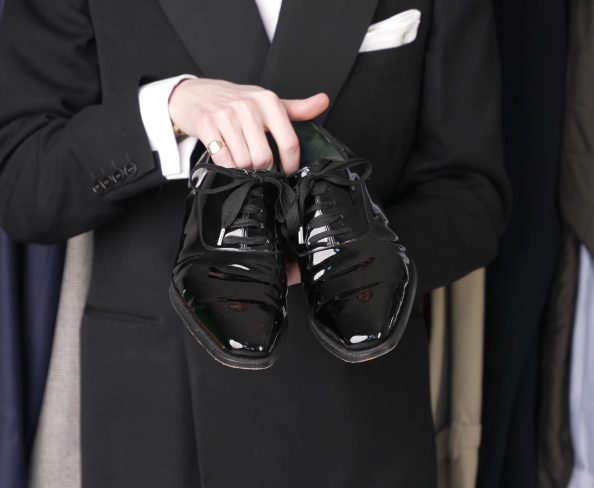
- Formal/Evening: A single white bib-front shirt remains the industry standard for black-tie events, and there is little need to increase this number unless one’s social calendar demands frequent formal attendance.
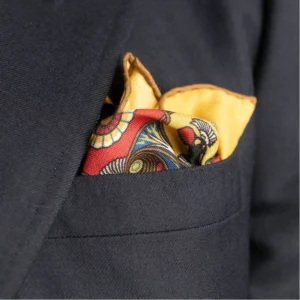
Neckwear, conversely, remains the most versatile category on the 1962 list. The recommendation of silk repp stripes and foulard patterns remains as valid today as it was six decades ago. The addition of knit ties—particularly in grenadine or wool—adds a layer of textural sophistication that allows a single shirt and jacket combination to be dressed up or down with ease.
The Mechanics of the Capsule Wardrobe
The term "capsule wardrobe," popularized in the 1970s and solidified by the minimalists of the 2010s, is essentially the formalized philosophy of the 1962 Esquire list. The core tenets include:
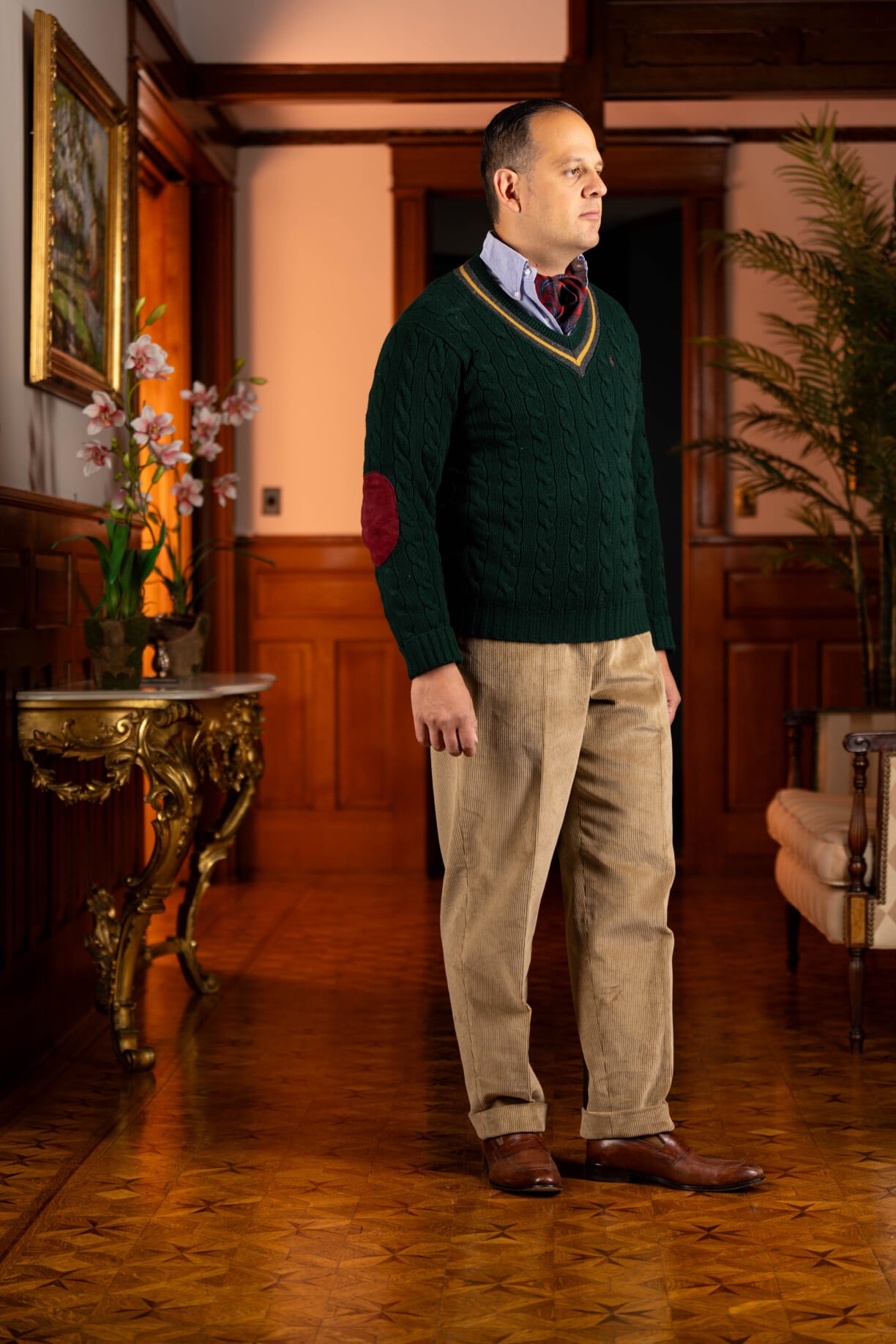
- Color Harmonization: Ensuring that trousers, jackets, and accessories share a cohesive palette (typically navy, gray, brown, and olive).
- Texture Contrast: Utilizing different materials—corduroy, flannel, wool, and silk—to create interest without relying on loud patterns.
- Multi-Functionality: Selecting items like the navy blazer or the gray flannel trouser, which can serve as the foundation for multiple distinct looks.
When a student or professional builds a wardrobe based on these constraints, they minimize the "paradox of choice." Statistically, individuals who limit their wardrobe to a curated selection of 30 to 40 high-quality items report lower levels of morning stress and a higher level of personal satisfaction with their appearance.
Expert Perspectives on Sustainability
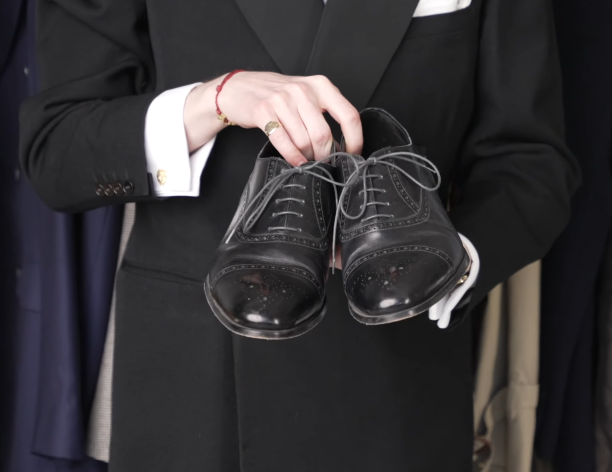
Industry experts and sustainability advocates frequently point to the 1962 list as a roadmap for ethical consumption. By prioritizing natural fibers and classic cuts, the Esquire list advocated for a "buy once, buy well" mentality. In an age where the average garment is worn significantly fewer times than in previous decades, the durability of a well-made wool suit or a high-quality leather shoe (such as the quarter-brogue oxford or the plain-toe derby) offers a clear path toward reducing one’s environmental footprint.
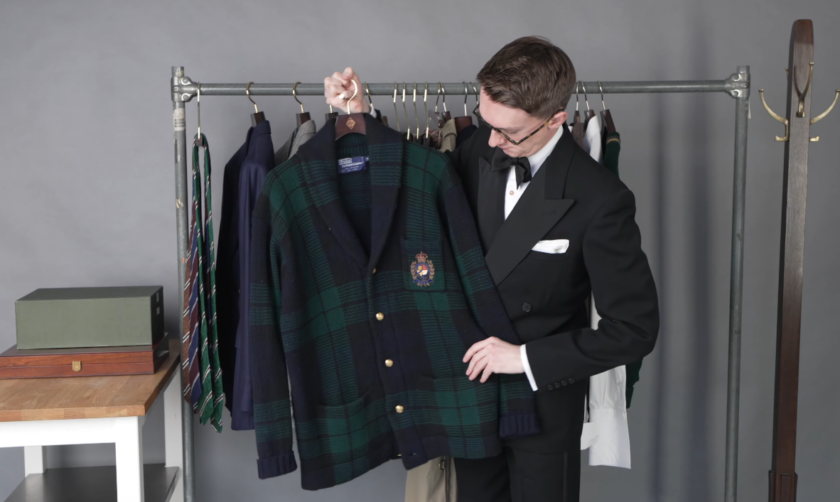
The longevity of the items mentioned—Burberry trenches, Shetland sweaters, and Cordovan leather shoes—is well-documented. These are not fast-fashion items that degrade after a season; they are investment pieces that, with proper care, can last for decades. This durability is not merely an aesthetic preference; it is a fundamental pillar of the economic sustainability of the garment industry.
Implications for the Modern Consumer
The 1962 Esquire wardrobe serves as a powerful reminder that style, while subject to the whims of current fashion, is grounded in objective principles of utility and proportion. While no modern man is required to replicate the list with historical accuracy, the template provides a robust starting point for anyone looking to organize their closet.
The implications for today’s consumer are clear: by analyzing the "why" behind each item on the 1962 list, one can construct a personal collection that is both timeless and uniquely suited to the requirements of the 21st century. Whether for the college student entering their first year of study or the professional looking to simplify their daily routine, the marriage of historical guidance and modern adaptation provides a reliable, sophisticated, and highly efficient approach to dressing well. The legacy of 1962 is not found in the specific garments themselves, but in the enduring idea that a well-considered wardrobe is the hallmark of a prepared and intentional life.