




The transition from the structured environment of higher education into the demands of the professional workforce represents one of the most critical developmental milestones in a young man’s life. Beyond managing financial independence and adapting to career hierarchies, young adults frequently face a deceptively complex challenge: curating a functional, mature wardrobe. For many, the third decade of life serves as a protracted period of sartorial experimentation, where the desire to establish personal identity frequently clashes with limited budgets and shifting lifestyle requirements. Industry data indicates that men between the ages of twenty and twenty-nine comprise a substantial demographic in the global fast-fashion and e-commerce sectors, often navigating a trial-and-error phase that results in significant spending on transient trends. To mitigate costly missteps, style experts emphasize a strategic approach to menswear that prioritizes fit, versatility, and realistic economic planning over the uncritical adoption of designer labels.

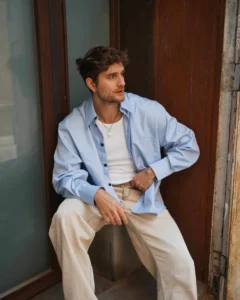
The foundational years of early adulthood are characterized by rapid lifestyle changes, moving from casual campus settings to formal office environments. According to retail analysts, young professionals frequently experience anxiety regarding appropriate workplace attire, oscillating between overly casual garments and excessively formal ensembles that fail to match their current career status or financial reality. Giles Farnham, head of the River Island Style Studio, notes that while young men possess the physical build to experiment with a wide array of silhouettes, navigating this phase requires conscious guidance. Unstructured experimentation often leads to an incoherent wardrobe featuring mismatched garments and unnecessary debt. Experts advise young adults to consult with retail professionals regarding accurate sizing and garment construction, thereby reducing the rate of costly fashion errors. Furthermore, the psychological pressure to emulate celebrity style icons—often amplified by social media algorithms—frequently leads to unconvincing outfit choices that do not align with an individual’s authentic lifestyle or daily routine.

Economic pragmatism remains a cornerstone of effective wardrobe development during this decade. Financial advisors and menswear authorities consistently caution against premature investments in high-end luxury pieces when a young professional’s daily routine demands durable, adaptable basics. While luxury brands market essential items such as heavyweight cotton t-shirts and premium hoodies, high-frequency wear and standard laundering processes often degrade these expensive items rapidly. Consequently, style professionals recommend utilizing affordable, high-street alternatives for foundational garments while reserving capital for core items that offer long-term utility. Similarly, purchasing multiple moderately priced suits for alternating professional use is widely considered more practical than investing heavily in a single high-end garment that quickly shows signs of wear. Furthermore, the aesthetic value of a garment relies heavily on proper maintenance and tailoring rather than brand prestige. Investing modest sums into local tailoring services to adjust off-the-rack suits, combined with routine shoe polishing and shirt pressing, yields a significantly sharper appearance than unadjusted designer apparel.

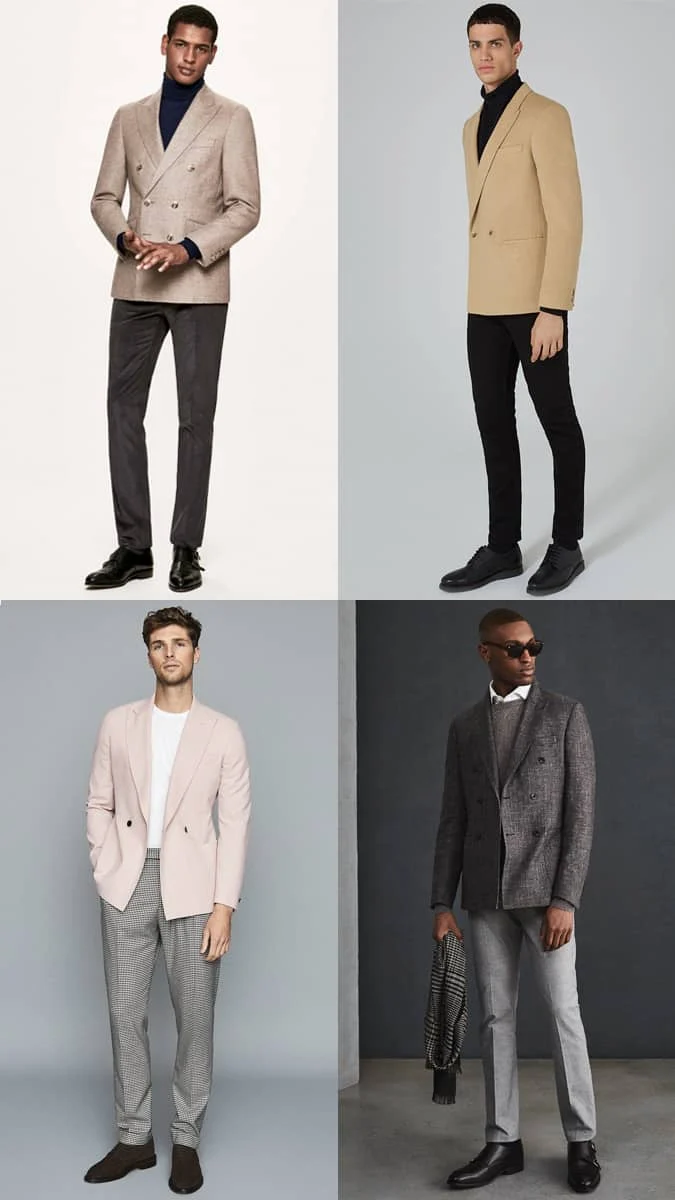
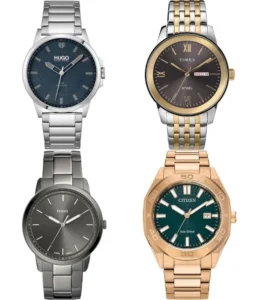
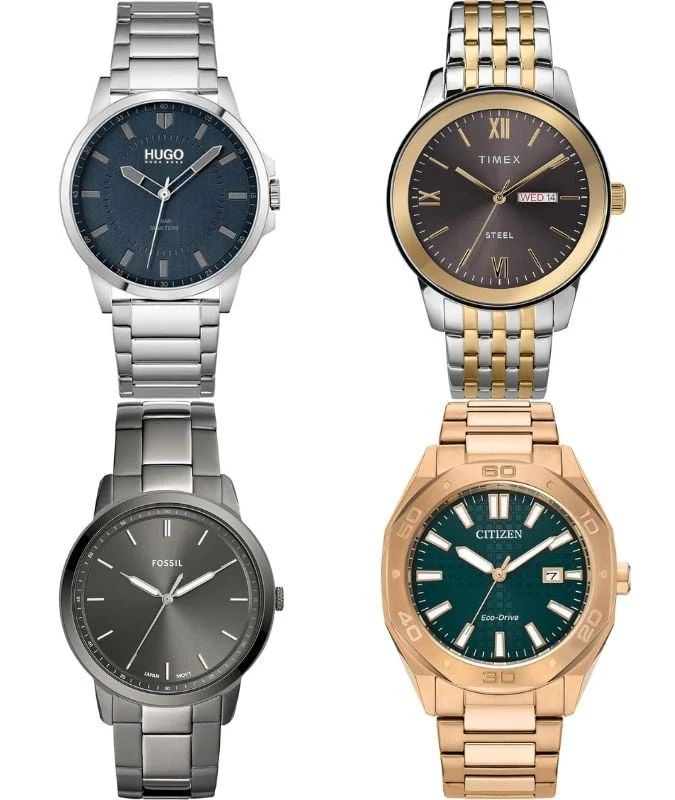
Developing a cohesive wardrobe during this transitional period relies on acquiring specific, highly versatile staple items capable of bridging casual and formal contexts. Tailoring experts recommend anchoring the rotation with a small selection of foundational pieces. Dark denim, specifically in slim or straight cuts using black or deep indigo washes, functions as a universal garment suitable for both evening social events and relaxed family gatherings. Similarly, a collection of crisp white shirts serves as a sartorial safety net, accommodating corporate environments, formal social functions, and interviews. Footwear selection requires a balance between professional compliance and off-duty comfort; while traditional Oxford shoes remain necessary for conservative corporate roles, Derby shoes and brogues offer the versatility required for smart-casual dress codes. Outerwear, particularly the classic bomber jacket or a structured Harrington model, provides transitional layering that complements both athletic apparel and tailored separates. Additionally, acquiring a reliable, minimalist steel watch ensures functional accessorizing that transitions seamlessly from the workplace to weekend activities without requiring specialized styling.

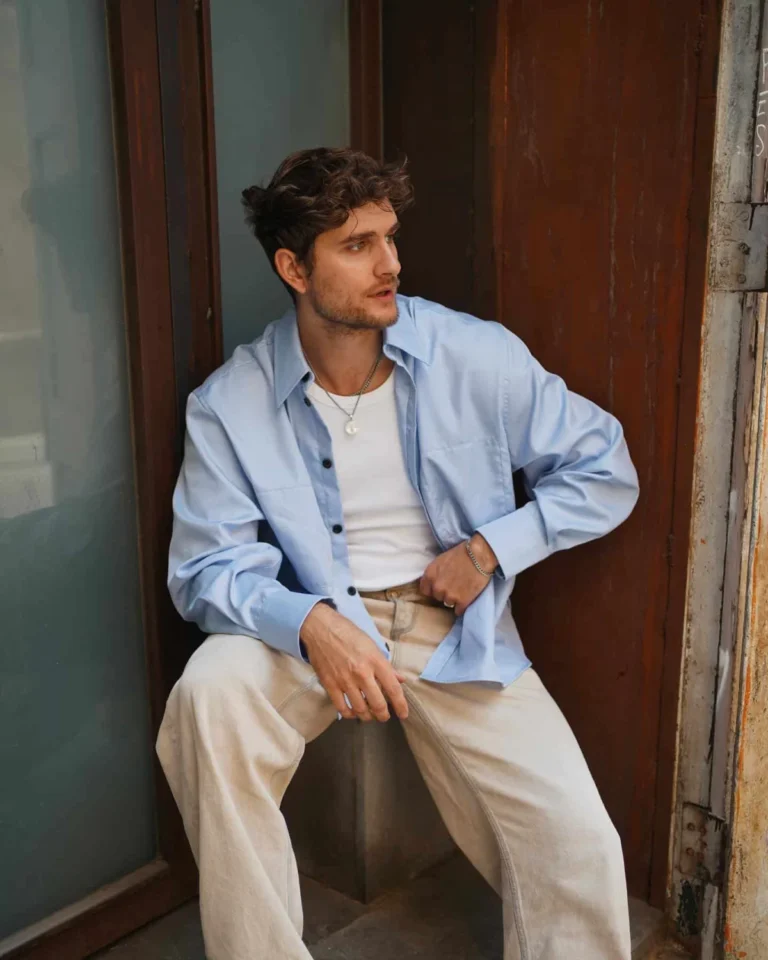
As young men progress toward their thirtieth year, industry standards dictate a gradual shift away from transient fashion trends toward a solidified personal uniform. By age thirty, professional routines stabilize, allowing individuals to identify garments that receive the highest frequency of wear. Style consultants suggest capitalizing on these established habits by purchasing multiples of reliable items with subtle variations in color and texture. This approach minimizes decision fatigue while maintaining a polished presentation. Moreover, this phase of wardrobe curation involves addressing any remaining gaps by investing in durable, high-quality artisanal pieces—such as Goodyear-welted leather footwear or a fully canvassed suit—that appreciate in character over time. Mentors in the fashion industry emphasize that maturing one’s aesthetic is fundamentally an exercise in proportion and self-acceptance, moving away from oversized garments that mimic adolescent styling toward tailored silhouettes that reflect professional maturity. Ultimately, the objective of menswear during this pivotal decade is not to replicate external icons, but to construct a reliable, practical framework that supports personal and professional advancement.