




Height has long been associated with various societal advantages, ranging from elevated earning potential to higher overall self-reported life satisfaction. However, navigating the consumer marketplace presents distinct anatomical and logistical challenges for individuals standing well above average. While standard ready-to-wear apparel manufacturing generally caps its scaling patterns at six feet and two inches, men exceeding this threshold frequently encounter the erratic sizing metrics of the specialized "Big & Tall" sector. Historically, this market segment has relied on excessive volume, boxy silhouettes, and inconsistent hem lengths, leaving taller consumers with limited options that compromise modern aesthetic standards.
To address these persistent wardrobe hurdles, menswear experts, stylists, and specialized brands have developed targeted methodologies. By understanding how to manipulate fabric, proportion, and texture, individuals with tall and slender frames can optimize their proportions without sacrificing personal style.
Core Principles of Tall Men’s Styling
Styling a tall physique requires a deliberate departure from the minimalist approach often recommended for average-height individuals. According to Luke McDonald, a consultant with men’s styling service Thread, simplifying an outfit on an elongated frame frequently exaggerates verticality, resulting in an overly lanky appearance.
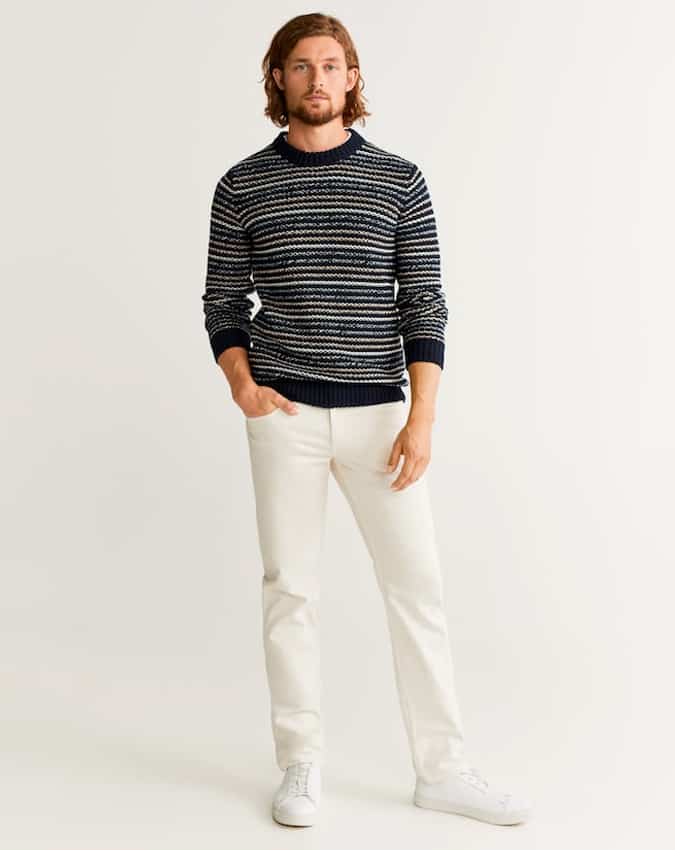
"Avoid wearing one color head-to-toe and use things like texture and pattern to break things up," McDonald advises, emphasizing the necessity of visual interruption.
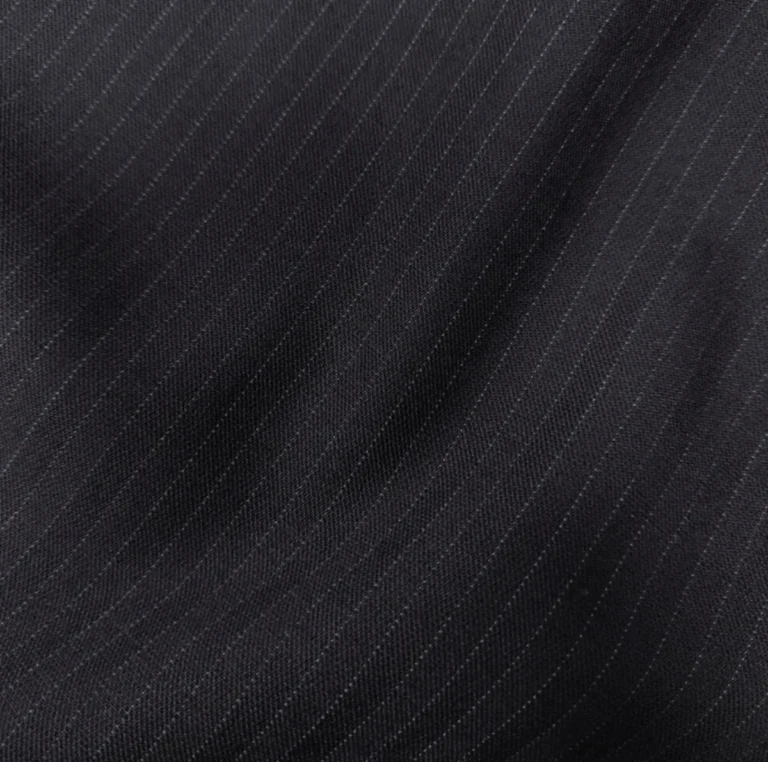
Beyond color contrast, fashion professionals advocate for the introduction of visual bulk and horizontal emphasis. Because tall frames naturally draw the eye along a vertical axis, incorporating sideways heft helps balance proportions. Effective strategies include wearing horizontal patterns—such as classic Breton stripes and color-blocked tees—alongside tactile fabrics like chunky knits, substantial puffer coats, and structured tailoring.
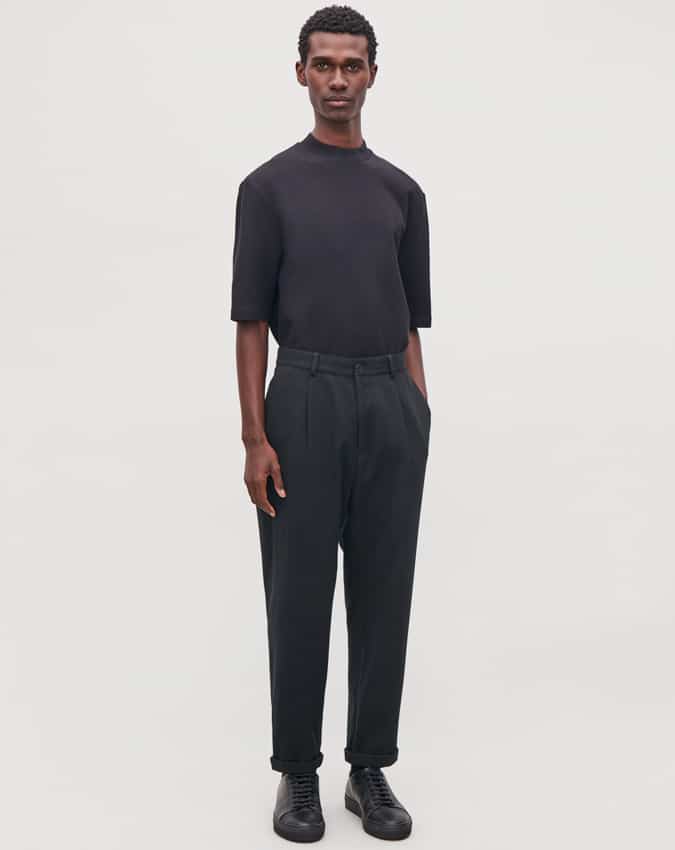
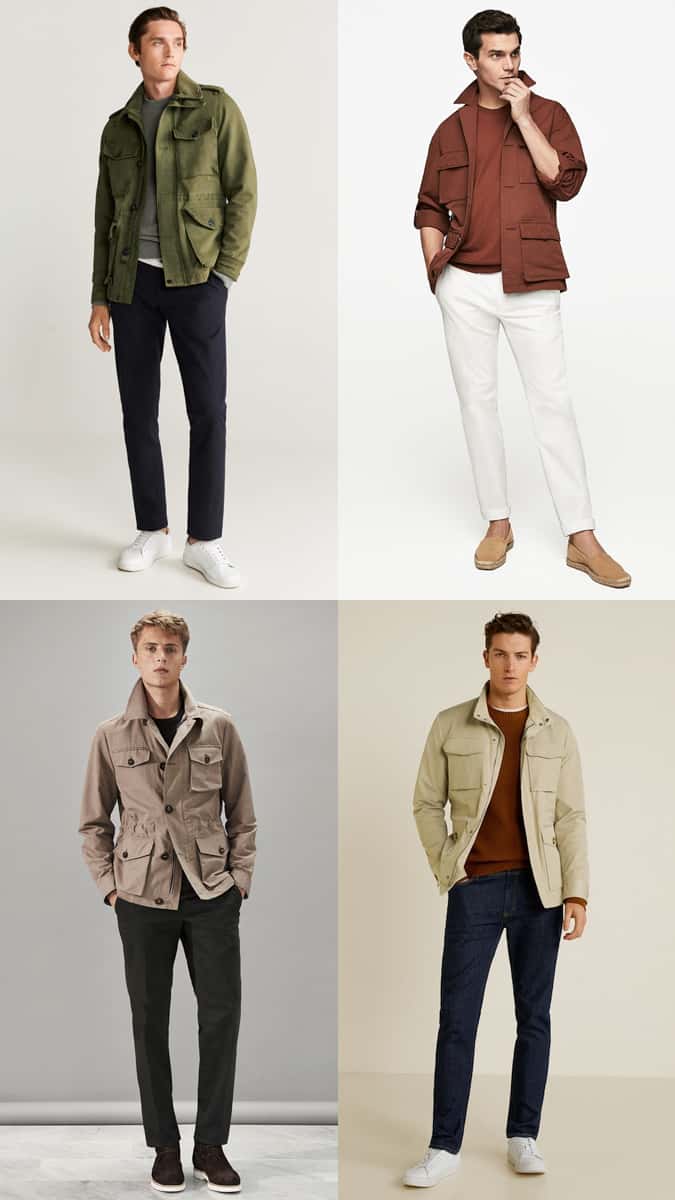
Fit remains a critical factor in maintaining a polished appearance. Proportions often fail when sleeves terminate above the wrist bone or trouser hems expose the ankles. To mitigate these common manufacturing shortcomings, style authorities recommend establishing a relationship with a reliable tailor capable of adjusting off-the-rack garments. Furthermore, while slim-fit clothing is frequently marketed as modern, overly restrictive cuts can look disproportionate on a long torso. Instead, experts suggest opting for regular-fit garments and utilizing tailoring or styling techniques—such as the military tuck—to achieve a tailored silhouette. Finally, incorporating utilitarian details such as pronounced pockets, buttons, epaulettes, and decorative patches helps move the observer’s gaze across the horizontal plane, softening expanses of solid fabric.
Essential Wardrobe Additions for Extended Frames
Building a functional wardrobe for tall men involves selecting specific silhouettes designed to add structure and width to an elongated frame.

Double-Breasted Jackets
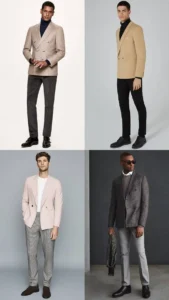
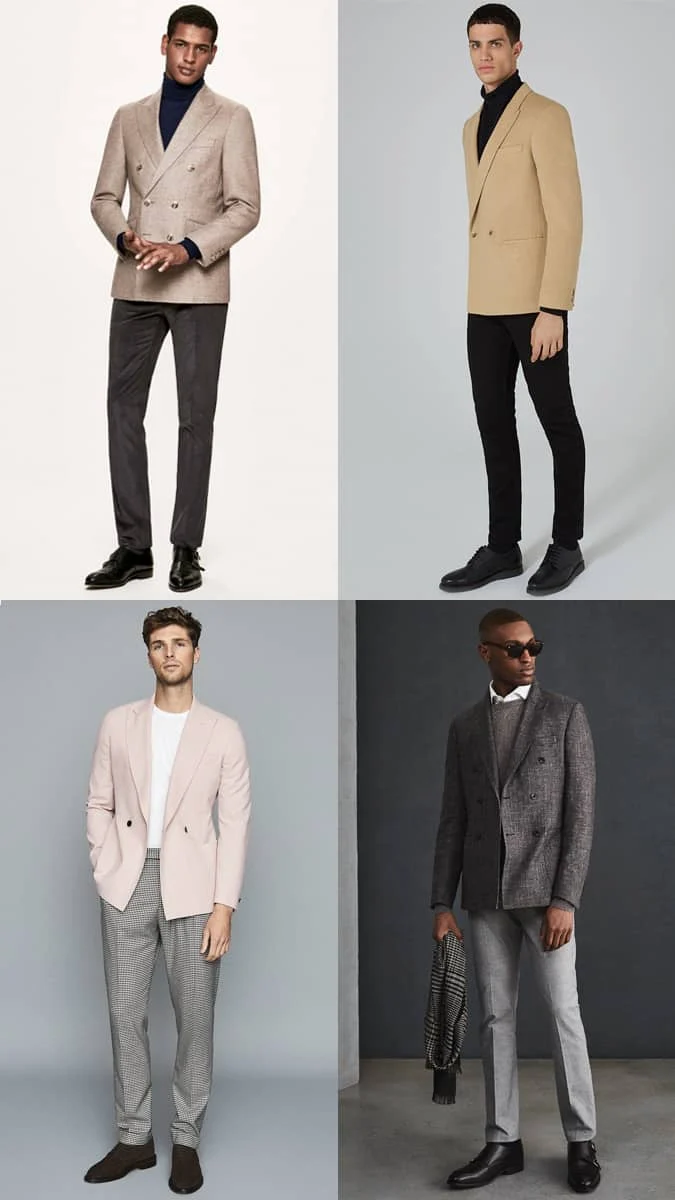
Double-breasted tailoring offers an effective solution for adding definition to the torso. According to style experts, these cuts naturally introduce width to tall, lean frames. Wearing a double-breasted jacket as an independent piece, paired with contrasting trousers, creates a distinct separation between the upper and lower halves of the body, neutralizing excessive vertical lines.
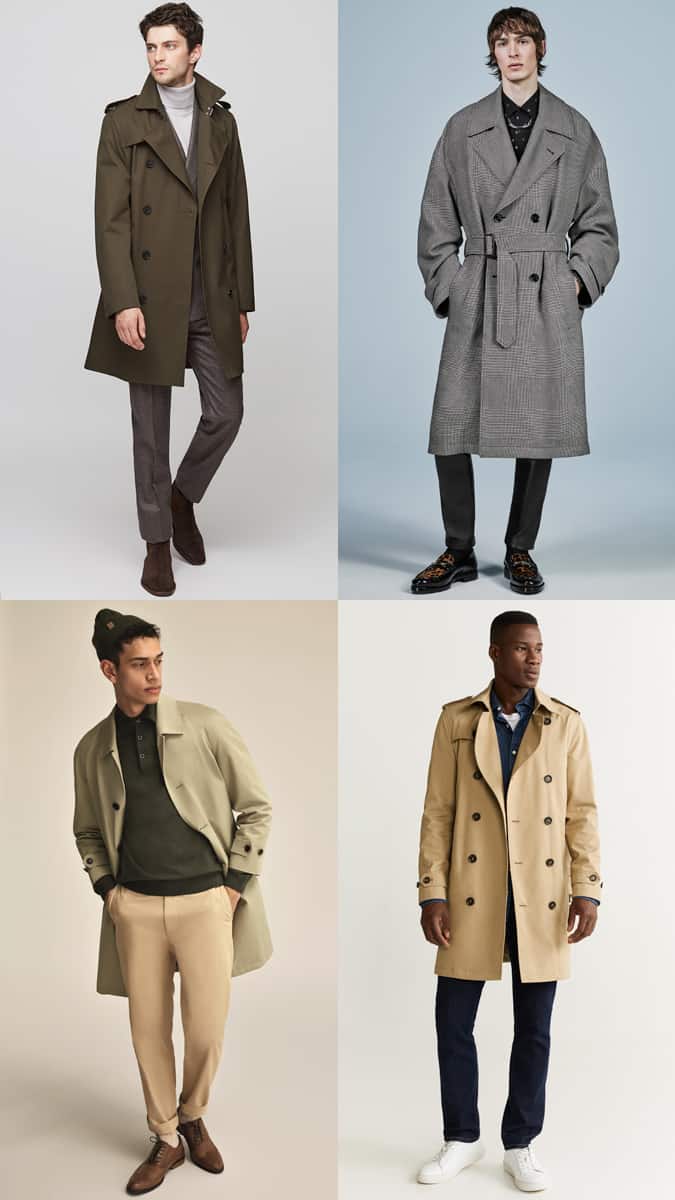
Extended Trench Coats
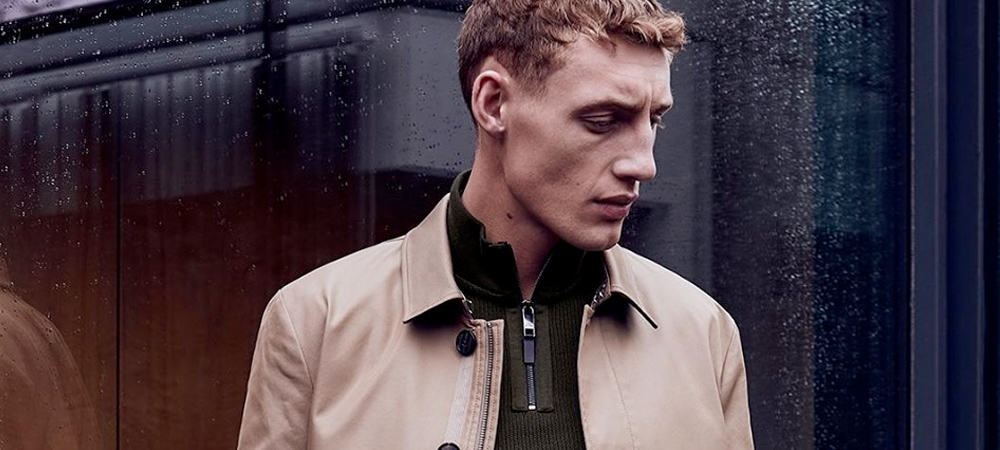
While cropped outerwear often flatters shorter individuals by creating the illusion of height, tall men benefit from coats that extend below the knee or reach mid-calf. A belted waistline on a trench coat further aids in establishing a classic V-shape silhouette—narrow at the waist and broad at the shoulders—which counteracts a beanpole appearance.
Wide-Leg and Relaxed Trousers
To balance long legs, wide-leg trousers introduce much-needed width, harmonizing the upper and lower body. While a subtle taper is acceptable, skinny or excessively high-waisted cuts should generally be avoided to maintain balanced proportions.
Functional Outerwear and Safari Jackets
Adventure- and military-inspired garments, including safari jackets and tactical vests, function exceptionally well on tall physiques. The integration of multiple pockets and hardware visually breaks up the torso, directing attention outward rather than upward.
Regular-Fit Shirts
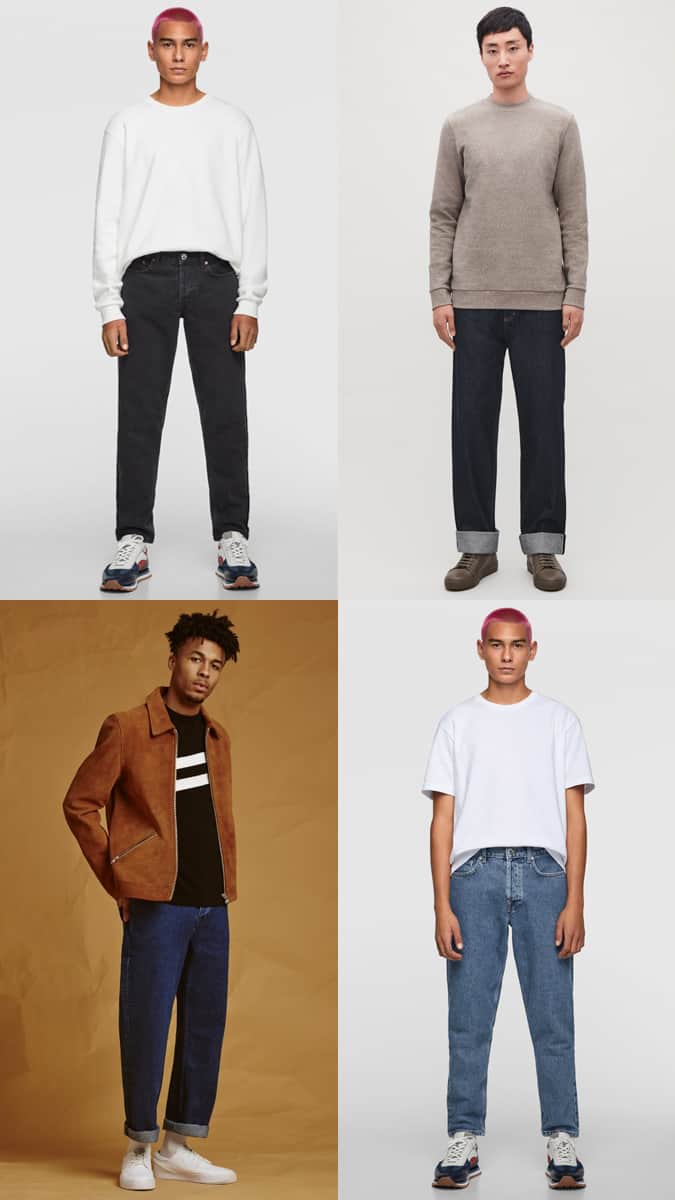
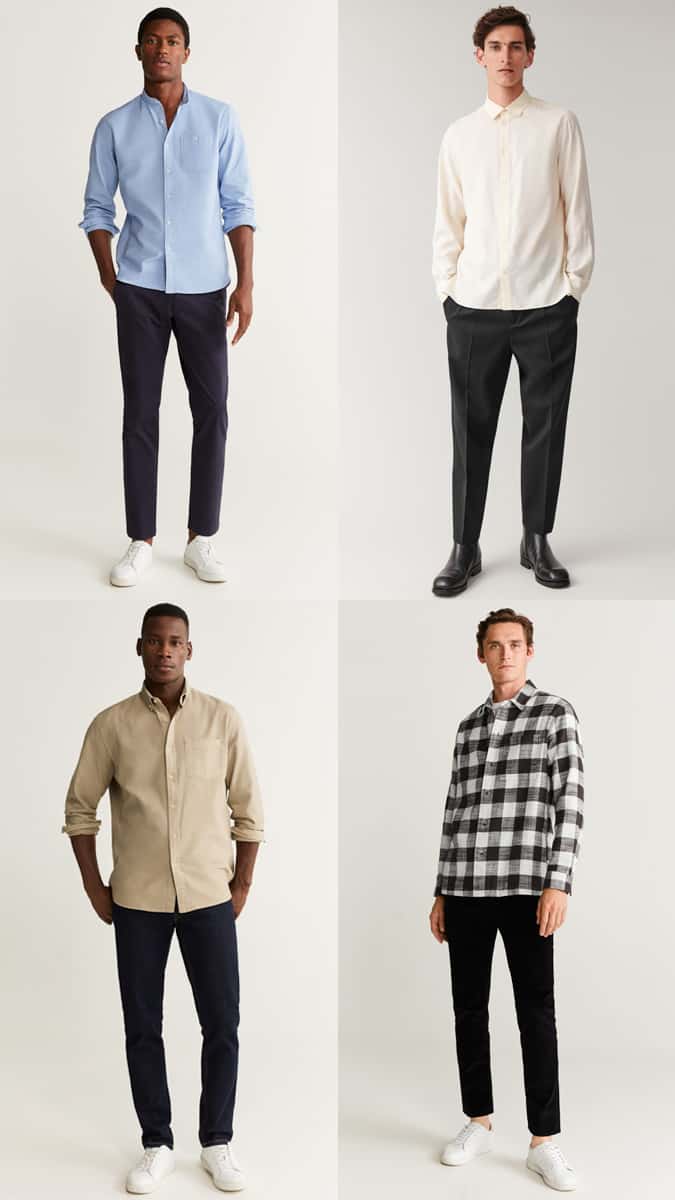
Standard slim-fit shirts are frequently engineered to be both narrow and short, creating fit issues for individuals with extended torsos. Opting for regular-fit shirts and utilizing professional tailoring ensures adequate coverage and a cleaner drape.
Influential Tall Figures in Contemporary Fashion
Public perception of tall menswear has increasingly been shaped by high-profile figures who successfully navigate their height through tailored wardrobe choices.
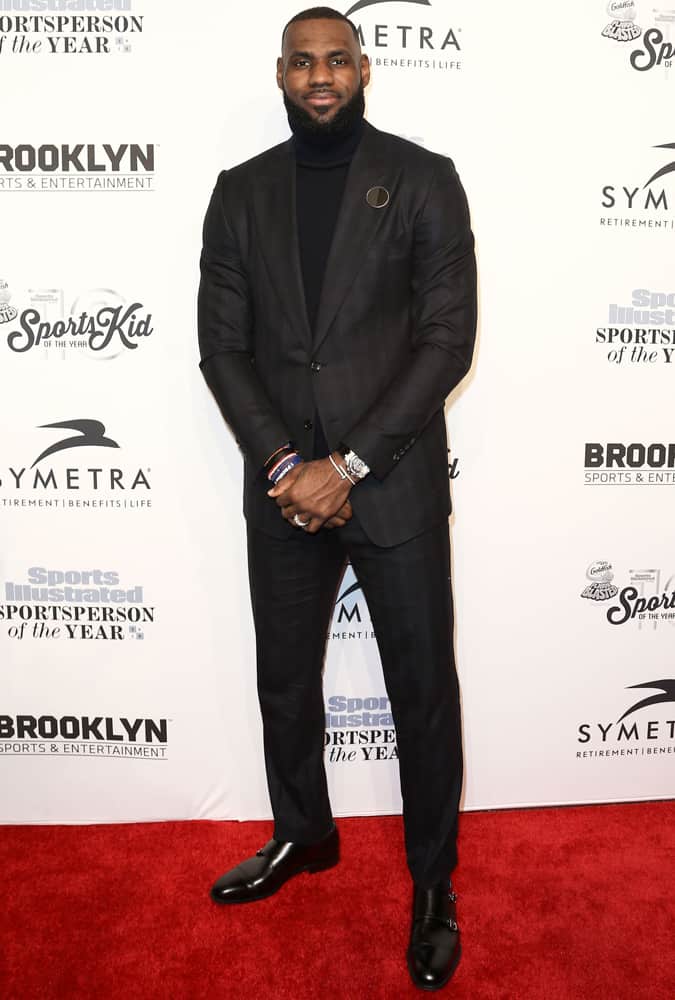
Athletes such as LeBron James have helped position sports leagues at the forefront of global fashion, proving that personal taste supersedes physical dimensions. James frequently balances sharp, well-structured tailoring—featuring slim rather than restrictive cuts—with layered outerwear, vests, and oversized streetwear.
Similarly, actor Armie Hammer has utilized contrast tailoring and looser silhouettes to dress his expansive frame effectively, avoiding overly tight garments. Meanwhile, former professional footballer Peter Crouch leverages his distinctive height off the pitch by favoring voluminous outerwear, including pea coats and double-breasted overcoats, alongside roll-neck sweaters that broaden the shoulder line.
Specialized Retailers and Inclusive Sourcing
Finding apparel that accommodates longer limbs and torsos without sacrificing contemporary design has historically been difficult. However, several brands have adapted their manufacturing processes to cater specifically to tall consumers.
Levi’s has addressed a major gap in the denim market by offering select jean styles with inseams stretching up to 40 inches, alongside classic 501 designs available in 38-inch inseams. Their core tees and denim jackets are similarly proportioned for longer physiques.
For footwear, heritage manufacturer Allen Edmonds offers an extensive range of dress shoes and boots in sizes up to 16, encompassing hundreds of size and width combinations without requiring custom orders.
Tech-forward apparel brands like Sene Studio utilize measurement profiles and digital sizing tools to deliver custom-tailored polos, pants, and dress shirts designed to fit specific vertical proportions. Similarly, collections such as T by Ted Baker—developed in partnership with former Olympic swimmer Mark Foster—redesign classic prints and patterns to fit men over six feet and three inches.

Direct-to-consumer labels like Spoke have revolutionized the trouser market by offering hundreds of distinct fit combinations, allowing customers to align waist and leg measurements accurately. Meanwhile, dedicated brands such as American Tall engineer their entire product lines—from blazers and tees to activewear and swimwear—specifically for taller frames, ensuring that garment scaling occurs vertically rather than simply adding uniform fabric across all dimensions.
Implications and Industry Outlook
The evolution of tall men’s fashion reflects a broader shift toward inclusivity and precision within the apparel industry. As digital tailoring tools, specialized direct-to-consumer startups, and forward-thinking heritage brands expand their sizing matrices, the traditional limitations of the Big & Tall sector are steadily diminishing. By adopting strategic styling techniques—focusing on proportion, texture, and tailored fit—tall consumers are increasingly equipped to navigate modern fashion with confidence and precision.