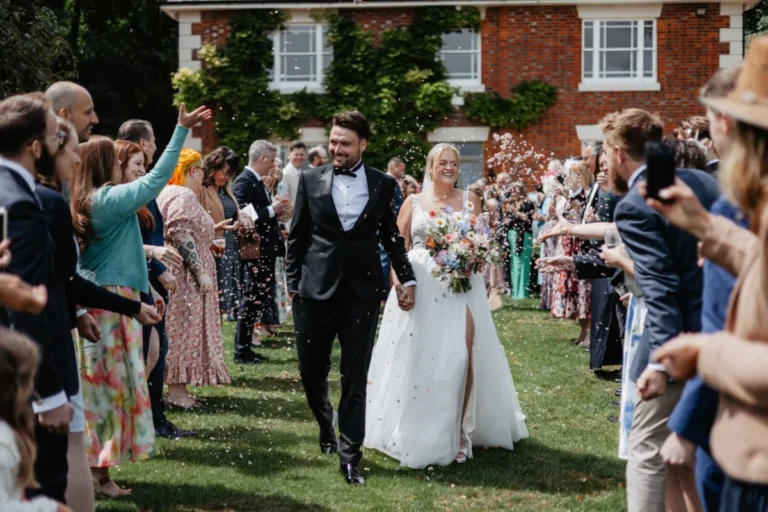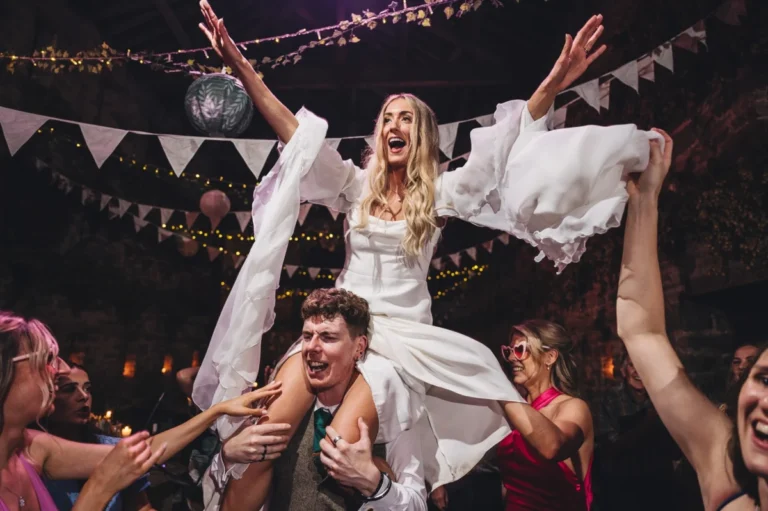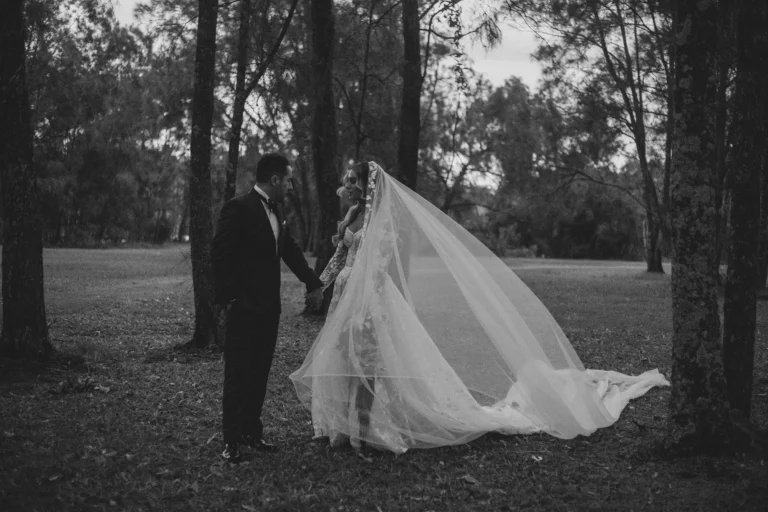










In an industry often defined by fleeting trends and conventional pageantry, the recent nuptials of film and television set decorator Kim and writer Danny at Agreco Farms in Crete, Greece, represent a notable departure toward intentional, experiential event design. The couple, who married in April, orchestrated a celebration that merged their respective Greek and Irish cultural heritages with a focus on spiritual symbolism, marking a significant personal milestone for the bride, who wed for the first time at age 52.
The event, documented by photographer Paulina Bruni and captured in film by DG Films, was coordinated by Bobbi Karagianni of Sand + Lace Events. The wedding was not merely a social gathering but an exercise in curated atmosphere, where every physical element—from the crystals placed at each guest’s setting to the specific selection of flora—was imbued with purposeful, symbolic meaning.
Chronology of a Two-Decade Partnership
The timeline of the couple’s relationship spans two decades, beginning with their first meeting at a private residence in West Hollywood, California, in 2005. The initial connection was marked by a spontaneous, albeit unconventional, gesture: shortly after meeting, Danny arranged a surprise trip to New York City for the couple. However, the relationship underwent a period of transition, characterized by an eleven-year span of intermittent dating as both parties focused on their respective careers—Danny in the restaurant industry and Kim in the competitive world of film set design.
The path toward marriage gained clarity in 2016, a year the couple cites as a turning point in their commitment. The formal engagement took place on Kim’s 50th birthday at the couple’s first shared home. Following the engagement, the planning phase for their wedding lasted several years, driven by a desire for a destination that felt both authentic and spiritually resonant. The choice of Agreco Farms was prompted by a vivid, recurring dream the bride experienced, which aligned with a vision of a Mediterranean farm setting. The date of the ceremony, April 16th, was selected specifically to coincide with the 20th anniversary of the day they first met.
The Logistics of the Destination Wedding
The ceremony was held in Crete, a region currently seeing a steady rise in popularity for high-end, intimate destination weddings. Agreco Farms, a renowned organic agricultural estate, served as both the venue and the primary source for the event’s culinary and aesthetic components.
The logistical planning involved the integration of diverse cultural elements. To honor the bride’s Greek heritage, a local band provided traditional music, while the groom’s Irish roots were acknowledged through the inclusion of bagpipe music. Due to the passing of the groom’s father just one week prior to the event, the planned live performance by an Austrian-based bagpiper was replaced by a high-fidelity recording of "The Skye Boat Song," which was integrated into the processional as a commemorative tribute.
Following the destination ceremony, the couple conducted a secondary, legal signing in their private garden at home. This smaller gathering, limited to nine attendees, utilized a commemorative candle crafted from wax used in the wedding ceremonies of the bride’s grandparents, serving as a physical link to familial history.
Data-Driven Design and Symbolic Intent
The event design, executed in collaboration with florist Manfler and planner Bobbi Karagianni, prioritized a "long-table" dining format. This seating arrangement is statistically associated with increased social interaction and lower noise levels compared to traditional round-table banquet seating, fostering the intimate environment the couple desired.
A central feature of the event was the use of crystals as guest favors. Three large boxes of hand-selected crystals were transported to Greece, with each guest invited to choose a piece as a symbolic takeaway. This practice mirrors a growing trend in the wedding industry known as "intentional gifting," where physical items are selected based on emotional resonance rather than utility or monetary value.
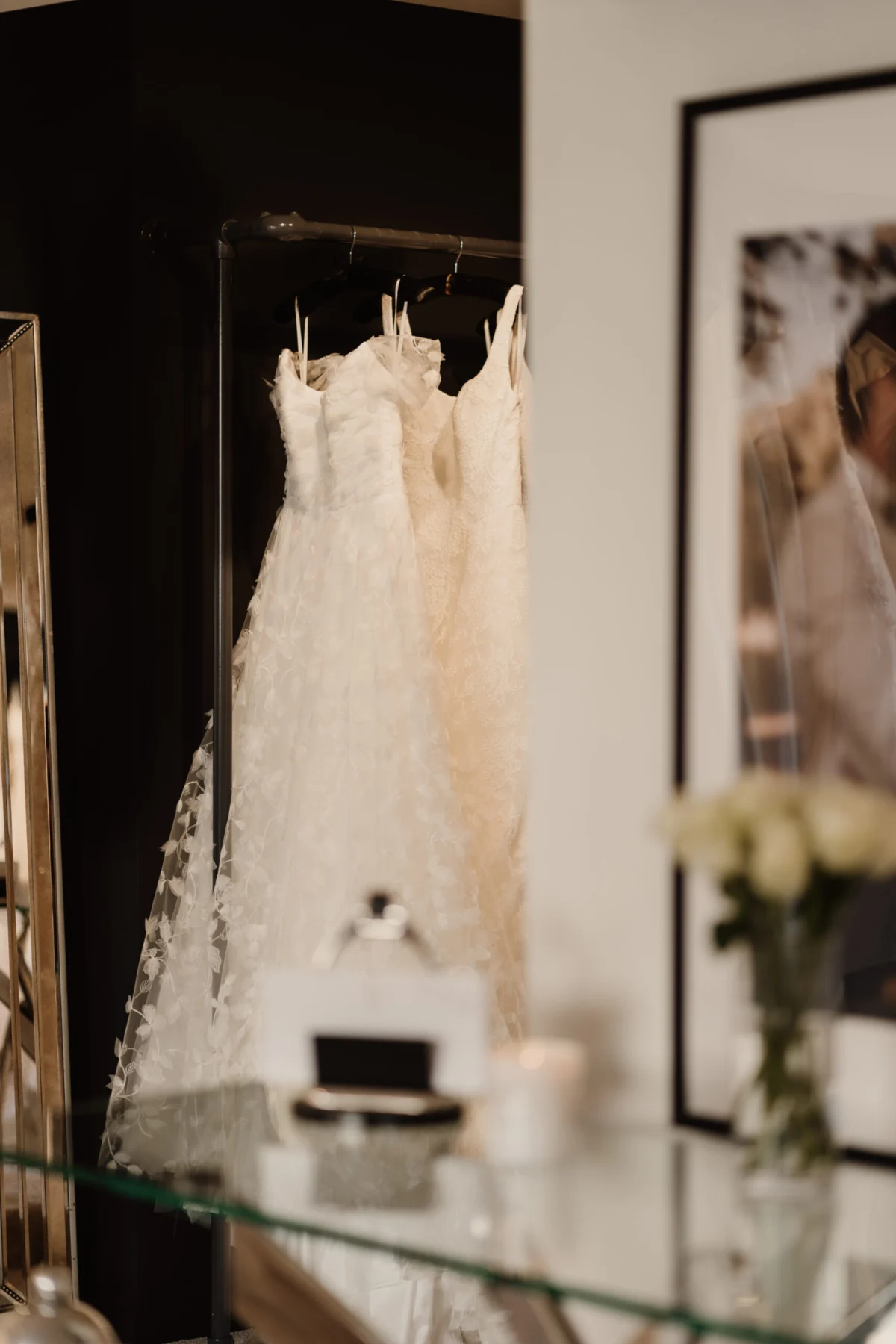
The couple’s commitment to customization extended to their attire and jewelry. The bride notably sourced four separate wedding dresses, while the groom’s rings were custom-designed by Boston-based jeweler Suzanne Dines, featuring a Rubellite stone set in a diamond-laced band—a departure from traditional diamond-centric engagement jewelry.
Expert Perspectives on Intentional Event Planning
Wedding planner Bobbi Karagianni noted that the project was defined by a transition from self-directed planning to collaborative creative direction. According to Karagianni, the primary challenge—and success—of the event was the rejection of a singular "aesthetic" in favor of a "feeling."
"The design was not created around a particular visual theme, but rather around the concept of togetherness," Karagianni stated. This approach reflects a broader shift in the wedding market, where couples are increasingly moving away from mass-produced decor in favor of bespoke elements that reflect their personal values. The decision to incorporate a choreographed dance, coached by instructors from Fred Astaire Dance Studios, served as a final example of this commitment to deliberate, shared experiences.
Broader Impact and Industry Implications
The wedding of Kim and Danny serves as a case study for the "older bride" demographic—a segment that has historically been underrepresented in bridal media. At 52, the bride’s narrative challenges traditional age-related expectations in the wedding industry. The success of her event highlights a trend toward more personalized, non-traditional ceremonies that prioritize the couple’s history and individual maturity over standard industry templates.
Furthermore, the emphasis on the ceremony as a "spiritual gathering" rather than a mere social function aligns with current shifts toward wellness and mindfulness within the events sector. By inviting guests to participate in prayer and the setting of intentions, the couple effectively transitioned the role of the guest from spectator to active participant.
The financial and carbon footprint of such destination events remains a topic of debate within the industry; however, the couple’s reliance on a working, organic farm for food and favors demonstrates an effort to support local, sustainable agriculture. By sourcing oil and honey directly from the venue, they reduced the need for external imports, providing a model for more localized destination wedding planning.
Reflections on the Experience
In retrospect, the couple emphasized the necessity of time management during the event. The bride noted that the high volume of guest-facing responsibilities often threatened to overshadow the private experience of the couple. Their advice to future couples—to carve out intentional, private time throughout the wedding weekend—is a sentiment echoed by modern event consultants who advocate for "protected time" to ensure the couple does not lose sight of the significance of the event amidst the logistical requirements.
Ultimately, the event at Agreco Farms stands as an example of how personal history, cultural legacy, and intentional design can intersect to create a high-impact, meaningful celebration. The couple’s focus on the emotional journey, combined with the rigorous attention to detail—from the custom-learned Greek vows to the symbolic inclusion of family heirlooms—highlights a shift toward a more introspective and authentic approach to modern matrimony.