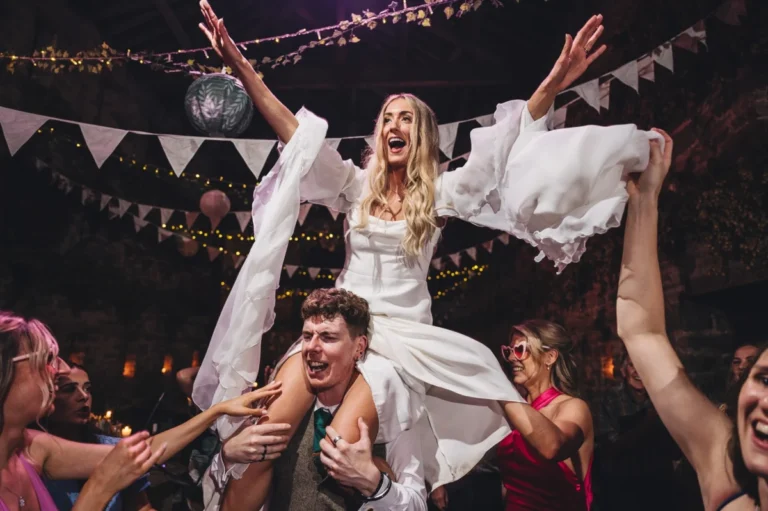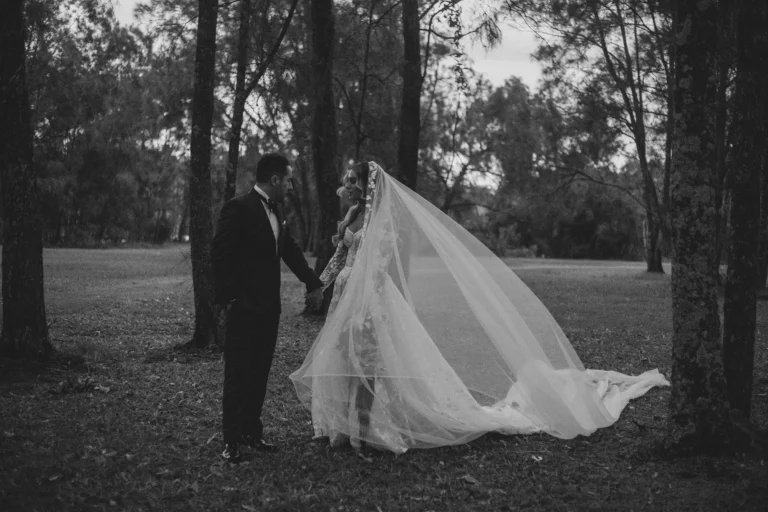


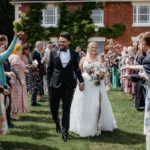




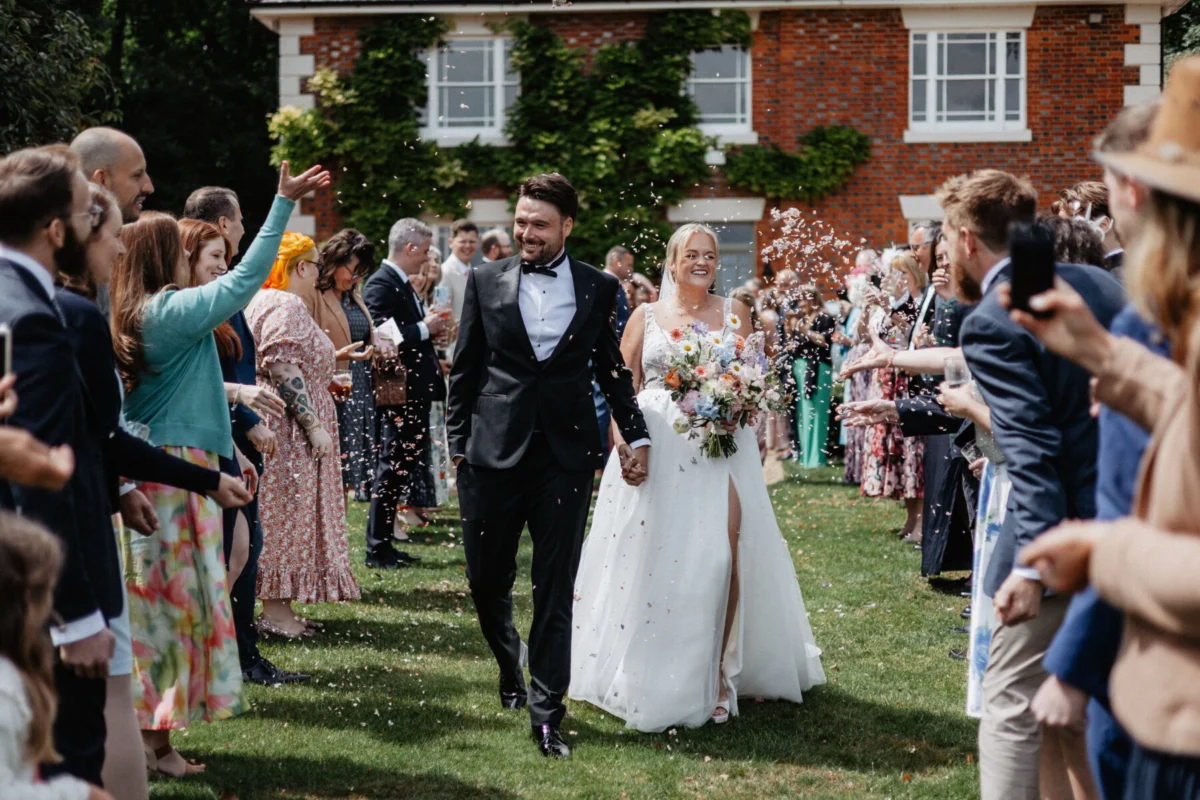
The modern wedding photography industry has undergone a significant paradigm shift over the past two decades, moving away from rigid, formulaic poses toward a more nuanced, editorial approach that prioritizes storytelling and genuine human connection. At the forefront of this evolution in the United Kingdom is Hampshire-based photographer Benjamin Stuart, whose professional practice has become a benchmark for couples seeking an aesthetic that balances refined composition with the unpredictability of live events. Stuart’s methodology, which he describes as "relaxed editorial," operates on the premise that the photographer is a silent witness rather than a director of a theatrical performance.
A Career Built on Observation and Professional Evolution
Benjamin Stuart’s entry into the wedding industry was not conventional. Before establishing his signature style, he spent seven years as a cameraman in the high-pressure world of large-scale commercial productions. This formative period provided him with a rigorous technical foundation in lighting, framing, and logistical management—skills that are essential when operating in fast-paced environments where there is no opportunity for a retake.
However, the transition to wedding photography was spurred by his own marriage fifteen years ago. During that experience, he identified a gap in the market for a more empathetic, less intrusive style of documentation. At the time, the industry was often characterized by photographers who exerted heavy-handed control over guests and ceremonies. Stuart sought to replace this transactional approach with a relationship-based model, wherein the photographer acts as a trusted participant who understands the specific values and interpersonal dynamics of the couple.
The Philosophy of "Loving Connections Captured"
The central tenet of Stuart’s work is the concept of "Loving Connections Captured." This is not merely a branding exercise but a strategic approach to his craft. By engaging with couples during their engagement period, he establishes a level of rapport that translates into comfort on the wedding day. Statistically, the presence of a camera can induce performance anxiety in subjects, a phenomenon often referred to as the "observer effect." Stuart mitigates this by providing "gentle direction"—a method that involves subtle guidance to optimize lighting and composition without disrupting the flow of the ceremony or the spontaneity of the reception.
This philosophy aligns with current consumer trends in the wedding sector. Recent market data indicates that couples are increasingly prioritizing "experience-led" wedding planning, moving away from extravagant displays of excess in favor of intimate, authentic celebrations that reflect their personal values. Stuart’s work serves as a visual record of these values, capturing the atmosphere of a day rather than merely the staged components.
Chronology and Logistics: Managing the Modern Wedding
While many photographers focus solely on the "big moments"—the vows, the first dance, and the cake cutting—Stuart’s practice emphasizes the chronological narrative of the entire day. This includes the preparatory stages, the quiet moments of reflection before the ceremony, and the peripheral interactions among guests.
Logistically, Stuart’s services extend across the United Kingdom, Europe, and international destinations, including high-demand regions such as the Cotswolds, Surrey, and Oxfordshire. Managing these logistics requires a high degree of adaptability. When working in historic venues or unpredictable outdoor settings, he utilizes his background in commercial production to adapt to changing natural light conditions. His ability to maintain composure during the chaotic periods of a wedding day is a recurring theme in client feedback, which highlights his capacity to act as a stabilizing presence when the schedule deviates from the original plan.
Analysis of the Editorial Approach
The "relaxed editorial" style adopted by Benjamin Stuart is distinct from traditional documentary or photojournalistic styles. While pure photojournalism avoids all interference, Stuart acknowledges that certain visual elements require intentional shaping. By combining candid capture with an editorial eye for detail, he ensures that the resulting images possess the aesthetic quality of a magazine feature while maintaining the emotional honesty of a personal archive.
This approach has significant implications for the longevity of wedding photography as a medium. In an era dominated by digital saturation and social media, the demand for "timeless" imagery has increased. Stuart’s reliance on thoughtful composition and the use of natural light ensures that his work remains relevant long after the trends of a specific wedding season have faded. His work demonstrates that a photograph does not need to be staged to be artful; rather, it requires an eye capable of identifying the "in-between" moments where genuine emotion is most visible.
Supporting the Couple’s Experience
One of the most frequent concerns voiced by modern couples is the fear of feeling like they are "on display." Stuart addresses this through a commitment to the couple’s comfort. His advice—"Be present in your day, I’ll do the rest"—is a direct response to the pressure of the "performative wedding."
By focusing on the "tribe" of family and friends present, Stuart ensures that the photography facilitates, rather than interrupts, the event. For many, this reassurance is the deciding factor in selecting a photographer. By outsourcing the responsibility of capturing the day to a professional they trust, couples are freed to participate fully in the experience of their wedding. This trust is the foundation upon which his entire practice is built, creating a feedback loop where the more comfortable the couple feels, the more authentic the resulting images appear.
Future Implications for the Industry
The work of Benjamin Stuart represents a broader movement toward professionalism and specialization in wedding photography. As couples become more sophisticated in their understanding of photography, the industry is seeing a higher demand for practitioners who can offer a clear, defined artistic vision. Stuart’s success highlights that the future of the industry lies in the intersection of high-level technical craft and deep, human-centered service.
As he continues to operate across varied international landscapes, Stuart’s influence remains rooted in his commitment to the "unexpected detail"—those fleeting moments that lack obvious logic but define the spirit of a day. Whether it is a quiet look between partners or the energetic chaos of a reception, his goal remains consistent: to create a visual legacy that allows the couple to feel the emotion of their wedding day upon every viewing.
For those planning a wedding, the selection of a photographer remains a critical decision that influences the long-term preservation of one of life’s most significant events. By choosing a professional who values the emotional depth of the occasion as much as the aesthetic, couples ensure that their narrative is captured with both technical integrity and personal care. As Stuart himself notes, the moments that matter have a way of announcing themselves to those who are truly paying attention, and it is this attentiveness that separates his work within the competitive landscape of modern wedding photography.