



The modern landscape of men’s fashion is currently undergoing a profound cultural and structural realignment, characterized by an aesthetic movement known broadly as "Drift." Formally highlighted in style guides and seasonal trend forecasts on September 18, 2026, the Drift dress code represents a calculated departure from traditional tailoring and rigid streetwear, favoring instead a seamless fusion of elevated comfort, utilitarian pragmatism, and sophisticated leisure. As contemporary wardrobes continue to reflect the blurring lines between remote work environments, international travel, and urban exploration, consumers are increasingly demanding garments that prioritize uncompromised ease without sacrificing sartorial integrity. This shift has not only redefined daily dressing norms for the modern consumer but has also prompted major contemporary labels to rethink their design philosophies, placing premium materials and relaxed silhouettes at the forefront of their seasonal collections.
Background Context of the Drift Movement
To understand the emergence of the Drift aesthetic, one must examine the shifting paradigms of menswear over the past half-decade. The convergence of post-pandemic lifestyle changes and the maturation of streetwear created a vacuum where traditional corporate dress codes lost their monopoly on professional and social settings. Consumers who had grown accustomed to comfort-driven apparel during periods of prolonged isolation were unwilling to return entirely to stiff denim, restrictive trousers, and formal blazers.

At the same time, traditional luxury brands faced a reckoning as younger demographics rejected overt logo-mania in favor of "quiet luxury" and functional minimalism. Drift emerged as a response to this cultural pivot—acting as a bridge between high-end craftsmanship and athletic-inspired comfort. It is an aesthetic designed for the perpetual motion of contemporary life, catering to individuals who transition fluidly from airport lounges to casual workspaces and urban walks within the span of a single day. Rather than looking sloppy or unconsidered, Drift relies on meticulous fabric selection, monochromatic or muted earth-tone palettes, and precise tailoring applied to relaxed shapes.
Key Product Offerings and Curated Essentials
The practical application of the Drift dress code is best observed through the specific garments and accessories championing the trend. Market analysis from September 2026 points to a targeted curation of staple items that define this lifestyle, spanning luxury loungewear, elevated footwear, and functional accessories.
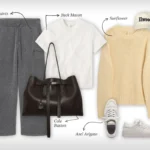
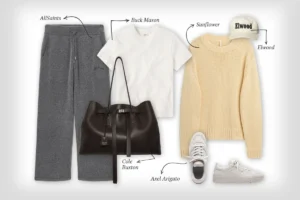
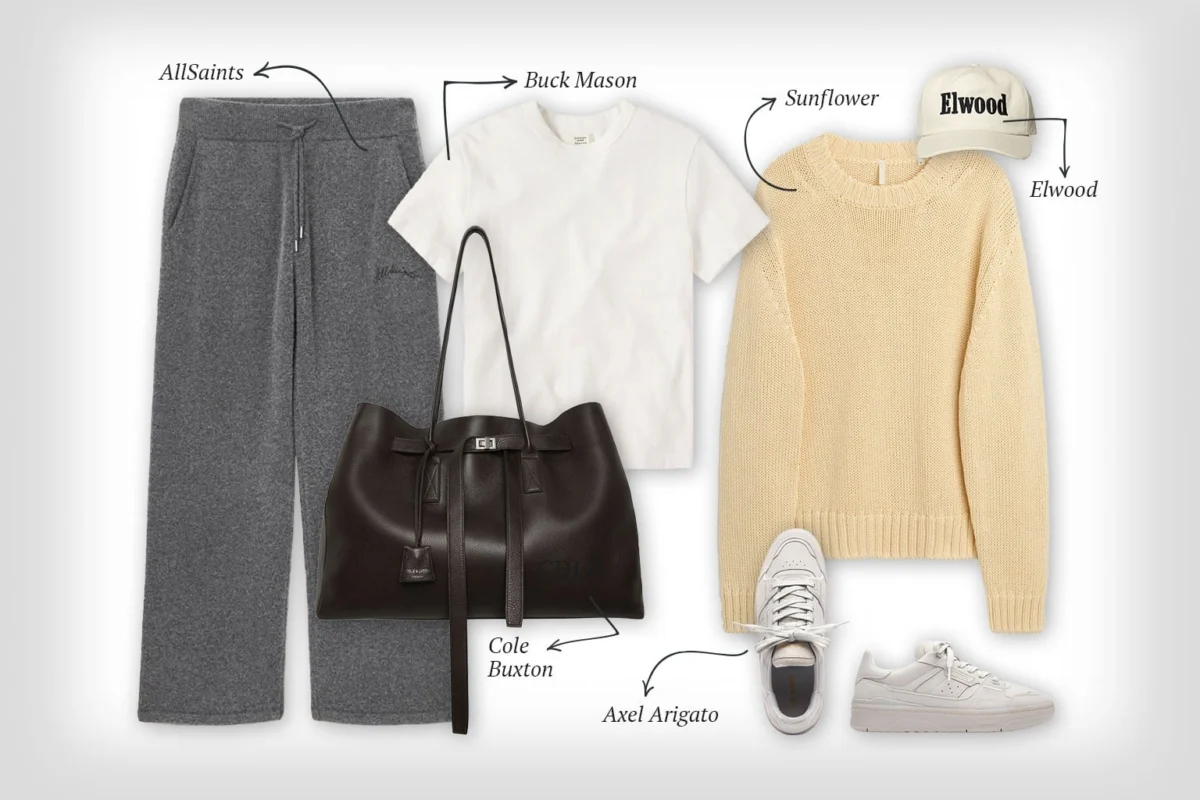
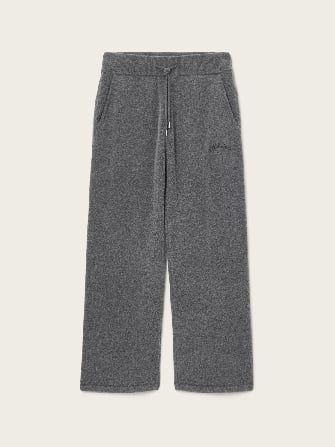
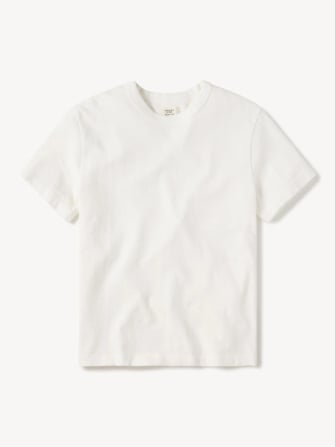
Among the standout pieces defining the movement are the AllSaints Raphy Logo Regular-Fit Sweatpants, priced at $219. These represent the elevated evolution of the traditional sweatpant, utilizing premium cotton blends, structured tailoring, and subtle branding to elevate a casual silhouette into high-fashion territory. Paired alongside them are foundational layering items such as the Buck Mason White Field-Spec Cotton Vintage Surplus Heavy Tee, which offers the durability and weight of military surplus gear coupled with a refined, contemporary cut suitable for standalone wear or under unstructured knitwear.
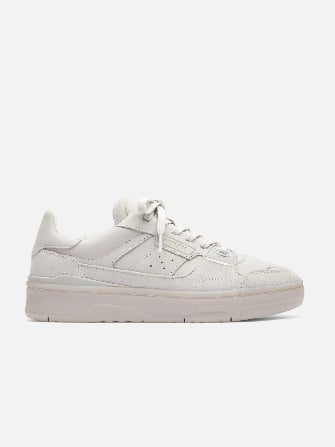
Footwear plays a pivotal anchor role within the Drift aesthetic, heavily leaning toward sophisticated sneakers that bridge athletic functionality with minimalist design. The Axel Arigato Clay Sneaker, retailing at $365, exemplifies this category, offering clean lines, premium leather fabrication, and a versatile profile that complements both tailored trousers and luxury sweatpants.
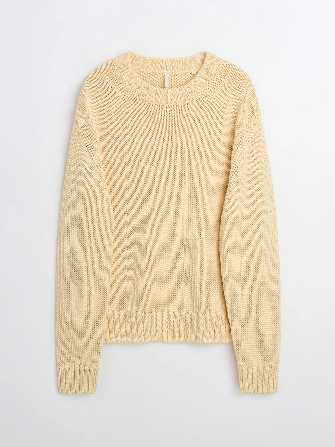
For transitional weather and texture variation, pieces like the Sunflower Frederik Ribbed Sweater introduce a tactile dimension to the wardrobe. The heavy ribbing provides structural integrity, moving away from flat knits to add visual depth to an outfit.
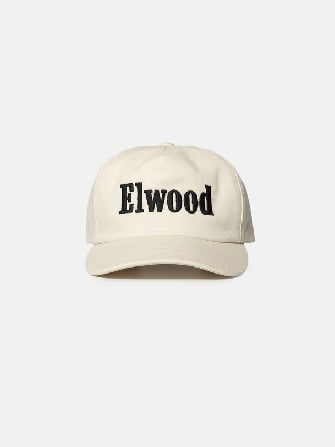
Accessories within the Drift framework are inherently functional. The Elwood Trademark Cap in Desert Camo introduces a utilitarian touch, blending military-inspired patterns with clean, urban styling. Meanwhile, technical leather goods—such as the bag collections from Cole Buxton—provide the necessary utility for the modern commuter or traveler, emphasizing supple yet durable leather construction designed to weather daily use while maintaining an upscale aesthetic.
Timeline and Evolution of Relaxed Luxury
The trajectory leading to the establishment of the Drift dress code has been methodical, driven by steady shifts in consumer purchasing behavior and runway presentations.
Phase One: The Casualization of Work (2020–2022)
The initial catalyst occurred during global shifts toward remote work. Menswear sales experienced a permanent decline in formal suit sales, while sales of premium knitwear, luxury lounge bottoms, and versatile footwear surged. Consumers recalibrated their value metrics, prioritizing comfort and versatility over brand prestige associated with formal wear.
Phase Two: The Rise of Elevated Utility (2023–2024)
As offices and social calendars reopened, consumers rejected a full reversion to pre-pandemic norms. Brands began introducing "hybrid" garments—trousers with elasticated waistbands cut from wool, tailored hoodies, and high-end technical outerwear. Streetwear matured, shedding hyper-colorful graphics in favor of tonal, minimalist styling.
Phase Three: The Codification of Drift (2025–2026)
By late 2026, retail data and fashion publications formally categorized this ongoing evolution under titles like "Drift." The movement ceased to be merely a temporary reaction to lifestyle changes and solidified into a permanent lifestyle category. Retailers organized dedicated capsule collections around travel, seamless transitions, and elevated leisure, proving that comfort-first dressing had achieved long-term market viability.
Statements and Industry Reactions from Related Parties
Industry insiders, retail analysts, and brand representatives have noted significant commercial shifts corresponding with the rise of the Drift aesthetic.
Retail buyers point to a marked increase in demand for multi-functional apparel. A spokesperson for a major online luxury menswear platform noted that "the modern consumer refuses to segment their wardrobe strictly between ‘home,’ ‘work,’ and ‘travel.’ They require garments that perform across all three environments without requiring a wardrobe change. The Drift trend is a direct commercial response to this holistic approach to dressing."
Design directors from contemporary labels have similarly echoed these sentiments, emphasizing that crafting relaxed silhouettes requires a higher level of technical precision than traditional tailoring. Without rigid canvas linings or structured shoulder pads to hide imperfections, garments must rely entirely on superior drape, seam placement, and fabric weight to look intentional rather than lazy. This has spurred textile innovation, leading to heavier-weight cottons, technical silks, and washed wools that feel soft against the skin while maintaining an architectural silhouette.
Economic and Market Implications
The broader economic implications of the Drift movement are far-reaching for the global apparel industry. As traditional suit manufacturing faces stagnant or declining growth, investments have rapidly pivoted toward the casual-luxury and premium-activewear sectors.
Market intelligence reports indicate that the global market for luxury comfort wear and elevated streetwear continues to capture a dominant share of discretionary spending among millennial and Gen Z male consumers. Brands that successfully navigate this space—balancing the price points of heritage luxury with the accessibility of contemporary streetwear—are outperforming legacy houses that have been slow to adapt their product lines.
Furthermore, the emphasis on timeless color palettes and durable construction within the Drift philosophy aligns closely with growing consumer demand for sustainability. By investing in versatile, high-quality staples like heavy-weight tees, robust leather accessories, and premium sneakers, consumers are building capsule wardrobes designed for longevity rather than fast-fashion disposability.
Conclusion and Future Outlook
The codification of the Drift dress code marks a watershed moment in contemporary menswear. By successfully marrying the comfort demanded by modern lifestyles with the craftsmanship expected of high-end fashion, the movement has permanently altered how men curate their wardrobes. As brands continue to innovate within this space—focusing on fabric technology, multi-functional design, and understated aesthetics—Drift is positioned to remain a dominant force in style for the foreseeable future, proving that true elegance and absolute comfort are no longer mutually exclusive.