










The contemporary fashion landscape is undergoing a fundamental structural shift as consumers increasingly pivot away from the hyper-accelerated cycles of fast fashion in favor of durable, ethically produced investment pieces. As environmental scrutiny intensifies around global supply chains, industry analysts and sustainability rating platforms are redefining what it means to purchase clothing and accessories for the long term. This movement challenges the historical lexicon of retail, moving past the seasonal trends popularized by mass-market retailers and returning to a philosophy centered on superior craftsmanship, timeless design, and verifiable supply chain ethics.
The Transition from Fast Fashion to Conscious Consumerism
For decades, the dominant economic model of the apparel industry relied on rapid turnover, cheap synthetic materials, and suppressed labor costs. This systemic approach encouraged consumers to view clothing as disposable, leading to unprecedented volumes of textile waste clogging global landfills. However, a growing body of consumer research indicates a generational shift in purchasing behavior. Shoppers are interrogating the true cost of cheap garments, factoring in ecological degradation, microplastic shedding, and the socio-economic welfare of garment workers.
This evolving consumer mindset has given rise to the "buy less, buy better" ethos. Rather than acquiring dozens of trend-driven items that degrade after a handful of wears, style-conscious buyers are focusing on versatile foundational items. These pieces are engineered to withstand physical wear and tear while retaining their aesthetic relevance across multiple decades. By investing in garments constructed from certified lower-impact materials, consumers are effectively voting against the planned obsolescence that has long defined the retail sector.
Economic Realities and the Cost-Per-Wear Equation
A central hurdle in the widespread adoption of sustainable fashion has been the initial financial barrier to entry. Ethically produced garments inherently command a higher retail price point than their fast fashion counterparts. This price differential is not arbitrary; it reflects the true cost of paying garment workers a living wage, sourcing certified organic or recycled materials, and adhering to strict environmental compliance standards.
Despite these higher up-front expenses, comprehensive retail economics data demonstrates that sustainable investing offers long-term financial advantages. According to circularity reports published by resale platforms such as Vestiaire Collective, the cost-per-wear of pre-owned luxury and high-quality sustainable garments averages roughly 33 percent lower over a five-year period than purchasing brand-new fast fashion alternatives. Because fast fashion items rapidly deteriorate or fall out of style, consumers must repeatedly replace them, ultimately spending more capital over time.
Furthermore, the rise of secondary markets and rental models has democratized access to sustainable luxury. Platforms like eBay and Vestiaire Collective allow consumers to acquire premium investment pieces at a fraction of their original retail price, thereby extending the lifecycle of existing garments and minimizing the demand for virgin resource extraction.
Evaluating Sustainability: The Methodology Behind Brand Transparency
As consumer demand for ethical alternatives surges, the risk of "greenwashing"—where companies falsely market themselves as environmentally friendly—has escalated dramatically. To combat misinformation, independent ratings organizations have emerged as vital arbiters of corporate accountability. Utilizing rigorous methodologies developed by environmental scientists, human rights experts, and supply chain auditors, these organizations evaluate brands across multiple pillars, including labor conditions, carbon emissions, water usage, and circularity.
For instance, prominent rating directories employ comprehensive five-point grading scales to assess how brands manage their environmental and social impact. By filtering out non-compliant entities and spotlighting brands rated as "Good" or "Great," these platforms empower consumers to make verified, values-driven purchasing decisions. This data-driven transparency forces traditional brands to reevaluate their operational models, fostering a competitive landscape where sustainability is increasingly treated as a baseline business requirement rather than a niche marketing strategy.
Curated Investment Brands Redefining the Market
To understand how contemporary designers are operationalizing sustainability without compromising on luxury or utility, it is instructive to examine the market leaders currently driving this transformation. Several independent labels have successfully decoupled high-end fashion from ecological destruction.
In the fine jewelry sector, brands such as New York-based FUTURA Jewelry and Philadelphia-based Bario Neal have redefined the sourcing of precious metals and gemstones. FUTURA Jewelry utilizes mercury-free, 18-karat Certified Fairmined Ecological gold, partnering directly with mines that abstain from toxic chemicals like cyanide and mercury. Similarly, Bario Neal specializes in custom fine jewelry crafted from reclaimed precious metals and conflict-free, ethically sourced gemstones, establishing a new benchmark for transparency in an industry historically plagued by opacity and environmental degradation.
Accessories labels are likewise pioneering innovative alternatives to traditional leather. British vegan accessories brand Mashu constructs its structural handbags using cutting-edge plant-based leathers for the exterior, complemented by interiors fabricated from recycled polyester vegan suede. This attention to material integrity ensures that consumers do not have to choose between ethical convictions and sophisticated design.
Footwear has traditionally been one of the most difficult categories to render sustainable due to the complex adhesives and multi-component construction required. However, brands like ESSÄÄN have abandoned the traditional fashion calendar entirely. Founded on the principle of minimizing overproduction, ESSÄÄN limits its production runs and relies on low-waste cutting techniques, offering a single permanent collection of classic footwear that transcends seasonal obsolescence.
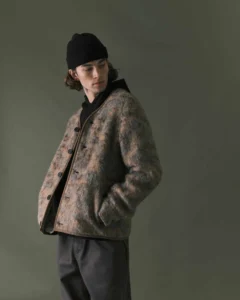
In the ready-to-wear apparel market, Dutch label CAES champions minimalist design executed through lower-impact textiles, including Desserto cactus leather, recycled cotton, and Tencel Lyocell. By partially tracing its supply chain and enforcing codes of conduct aligned with International Labour Organization (ILO) standards, CAES demonstrates that minimalist luxury can coexist with rigorous ethical oversight.
Similarly, US-based WE-AR4 approaches apparel production through a circular lens. Rather than commissioning the manufacture of new textiles, the brand rescues luxury fabrics and high-quality leathers left over from other design houses, transforming deadstock materials into contemporary wardrobe essentials. This "upcycling" methodology drastically reduces the water and carbon footprint associated with virgin textile production.
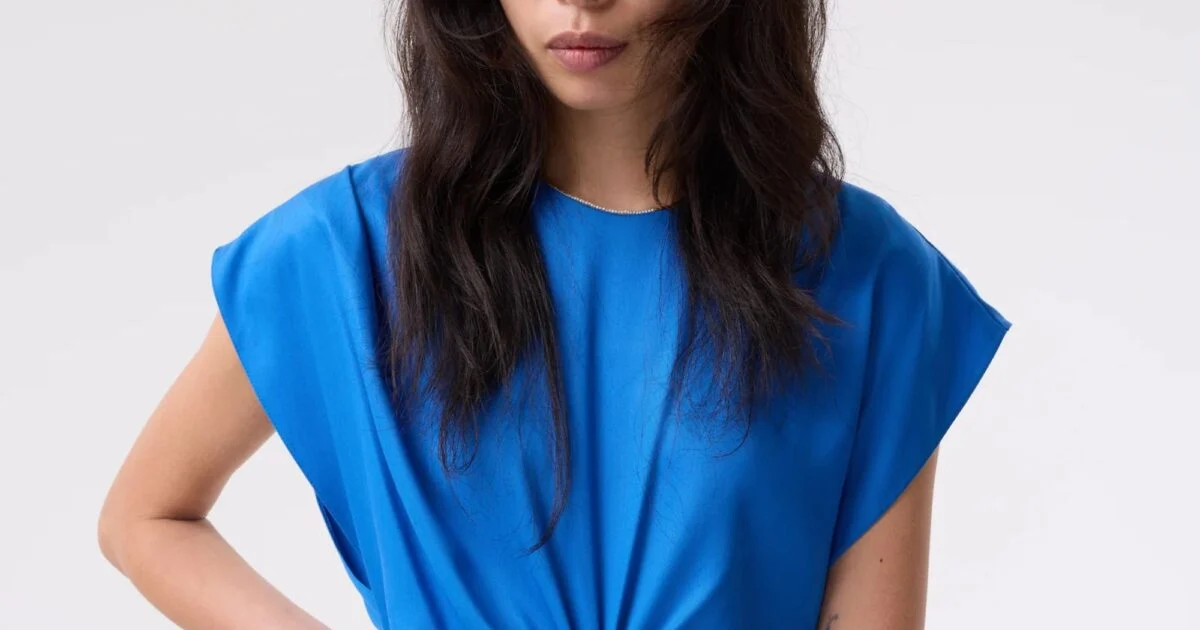
Other notable market participants include Akyn, founded by prominent sustainable fashion advocate Amy Powney, which focuses on contemporary womenswear utilizing verified lower-impact materials. Meanwhile, Italian lifestyle brand HERTH bridges the gap between slow fashion and effortless luxury, collaborating with local artisans to produce clean-silhouetted garments characterized by meticulous attention to detail and lower-impact material sourcing.
Broader Implications and Future Outlook of the Sustainable Apparel Sector
The maturation of the sustainable investment wardrobe movement carries profound implications for the global economy. As regulatory bodies in the European Union and North America begin to crack down on greenwashing through stringent anti-deception laws and mandatory supply chain disclosure directives, brands will face legally binding accountability measures. The era of unchecked corporate green marketing is rapidly drawing to a close, replaced by a regime of verifiable data and lifecycle assessments.
For consumers, the cultural pivot toward investment dressing represents a reclamation of personal style over algorithmic micro-trends. By curating a cohesive collection of durable, ethically produced garments, individuals are insulating themselves from the psychological pressure of the 52-season fashion year.
Ultimately, the transition to a sustainable wardrobe is not merely an aesthetic choice, but a necessary recalibration of humanity’s relationship with material consumption. As innovative designers continue to prove that ethical production and exquisite craftsmanship are mutually reinforcing, the concept of the "forever piece" will transition from an industry buzzword into the foundational standard of modern retail. Through informed purchasing, rigorous independent rating systems, and a steadfast commitment to longevity, the fashion ecosystem is slowly charting a course toward genuine ecological and social responsibility.