









The contemporary footwear market has undergone a significant paradigm shift over the past decade, driven heavily by consumer demand for sustainable manufacturing, lightweight construction, and uncompromising everyday comfort. Pioneered largely by certified B Corporations like Allbirds, the category of eco-friendly, knit-upper footwear became a staple of modern athleisure. However, shifting consumer economics, brand diversification, and a desire for varied price points and aesthetic profiles have driven footwear enthusiasts to explore alternative options. A comprehensive market evaluation of more than 40 different footwear products reveals six standout alternatives that successfully capture the core attributes of the Allbirds blueprint while offering distinct advantages in durability, price, and stylistic versatility.
Background and Evolution of the Sustainable Knit Sneaker Market

The rise of sustainable, casual footwear began in earnest in the mid-2010s, capitalizing on advancements in textile engineering. Traditional sneaker manufacturing relied heavily on heavy canvas, synthetic leathers, and energy-intensive rubber production, often leaving a substantial carbon footprint. Brands like Allbirds disrupted this model by introducing shoes crafted from renewable resources, most notably moisture-wicking Australian merino wool, eucalyptus tree fibers, and sugarcane-derived EVA foam outsoles.
As the market matured, consumers began demanding greater variety. While the original pioneers established the template for cloud-like comfort and minimalist design, market challenges—including fluctuating stock performances and shifting brand loyalties—created an opening for competitors. Today’s landscape features specialized athletic brands, luxury houses, and accessible fast-fashion alternatives that adapt the breathable, sock-like comfort of knit sneakers for diverse lifestyles ranging from outdoor exploration to urban commuting.
Top Footwear Alternatives Evaluated for 2026

To identify the highest-quality alternatives currently available, researchers evaluated dozens of brands based on rigorous criteria, including material composition, manufacturing sustainability, structural support, customer satisfaction, and overall value. The resulting selection highlights options suited for various budgets, environments, and stylistic preferences.
APL Techloom Wave: Best Overall Performance
Claiming the top spot for overall quality and versatility is the APL Techloom Wave, manufactured by Los Angeles-based Athletic Propulsion Labs. Known for focusing on hyper-functional travel and lifestyle gear using vegan materials, the brand has engineered a sneaker that bridges the gap between active training and casual wear.
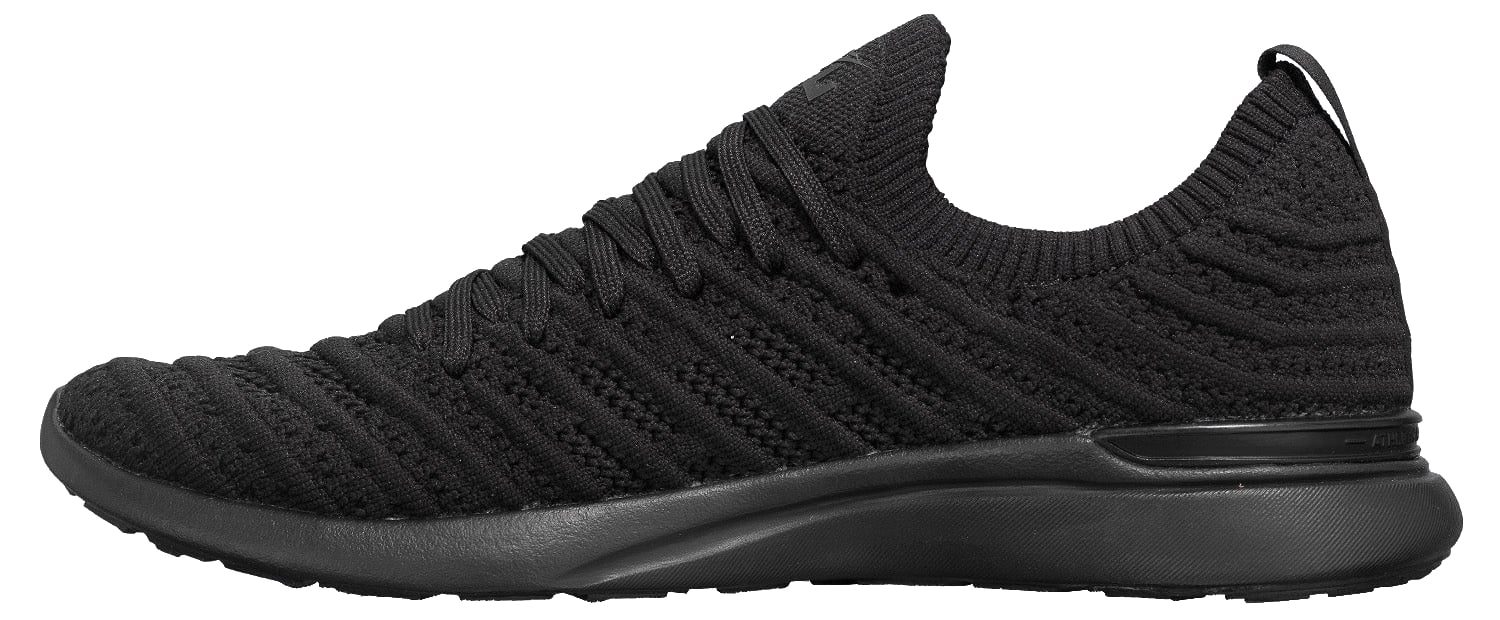
The Techloom Wave utilizes a proprietary 3D stretch rebound upper that conforms dynamically to the foot while maintaining breathability. Structural integrity is reinforced through internal caging and dedicated foot crash pads, paired with a Propelium midsole designed to absorb impact. While positioned at a higher price point, the shoe accommodates day hikes, light jogs, and urban errands without sacrificing aesthetic appeal. It is available in sizes 7 through 15 across 12 distinct colorways.
Suavs The 247: Best Everyday Commuter Option
For consumers prioritizing portability and daily versatility, the Suavs 247 sneaker offers a compelling alternative. Designed specifically to function across multiple environments—from morning commutes to impromptu light trail hikes—the shoe emphasizes a packable, travel-friendly footprint.

Constructed with an upper made entirely from recycled water bottles, a cushioned lining, and a lined foam insole set upon a non-slip rubber outsole, The Suavs 247 delivers a sock-like fit. While the knit upper lacks the rigid structural reinforcement required for heavy-duty athletic support, it provides exceptional breathability and flexibility. Available in sizes 8 through 13 in six core colors, this vegan-friendly option balances eco-conscious manufacturing with accessible pricing.
Tod’s Sock Sneakers: Best Luxury Elevation
Diverting significantly from standard athleisure aesthetics, Tod’s Sock Sneakers elevate the lightweight knit concept into the luxury tier. By incorporating premium technical fabrics alongside soft calfskin leather, the brand reinterprets minimalist footwear for upscale leisure environments.
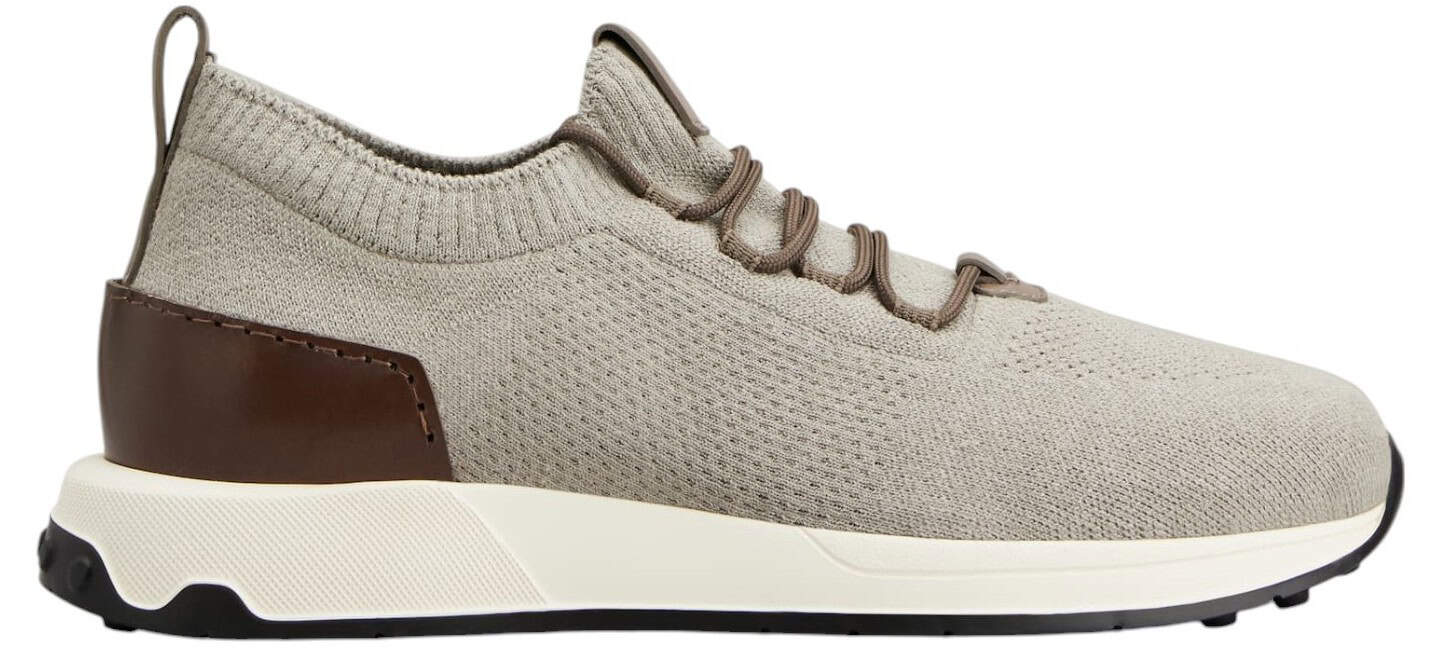
The inclusion of calfskin inserts and extra-padded insoles ensures that the structure conforms to the wearer’s anatomy over time, supported by an EVA outsole detailed with rubber pebbles. While purists of traditional sustainable footwear may view luxury leather as a departure from standard eco-metrics, the craftsmanship and high-end materials position this model as a sophisticated alternative for resort wear and upscale casual settings. Sizes range from 5.5 to 14.5 across three color options.
Clae Louie: Best for Versatile Utility
Los Angeles-based brand Clae enters the market with the Louie, a sneaker that closely mirrors the material and aesthetic successes of the original sustainable footwear movement. Utilizing breathable knit uppers constructed from eco-conscious textiles, the Louie is optimized for everyday wear, light training, and outdoor leisure.

The combination of lightweight outsoles and engineered knit uppers provides consistent underfoot cushioning throughout extended wear cycles. Although positioned at a premium price point relative to mass-market alternatives, the Louie appeals to consumers seeking refined silhouettes built for multi-purpose utility. The model is offered in sizes 7 through 12.
Bruno Marc Mesh Fabric Fashion Sneakers: Best Budget Alternative
Addressing the segment of the market focused strictly on cost efficiency, Bruno Marc offers a mesh-fabric fashion sneaker that mimics the visual profile of high-end knit footwear at approximately half the cost.

While the manufacturer does not disclose the precise material composition of its textiles to the same degree of transparency as certified B Corporations, the inclusion of EVA memory foam insoles and lightweight outsoles delivers notable comfort for the price point. The breathable microfiber-blend uppers make these sneakers a viable option for budget-conscious buyers seeking an accessible entry point into the knit-sneaker aesthetic. Sizes span from 6.5 to 13 across five colorways.
Woolloomooloo Belmont: Best Merino Wool Standard
For consumers specifically attached to the unique thermal-regulating and moisture-wicking properties of merino wool, the Australian brand Woolloomooloo presents the Belmont. Because merino wool is central to the traditional feel of original sustainable footwear, this model serves as a direct stylistic and functional parallel.

Featuring 100% merino wool uppers, wool-lined footbeds, and flexible outsoles, the machine-washable Belmont is engineered for both athletic training and casual daily routines. The natural breathability of the wool fabric minimizes odor retention and manages temperature effectively. The shoe is available in an extensive range of sizes from 3 to 12.5 and comes in 12 color options, though its pricing remains comparable to premier market alternatives.
Cariuma IBI Knit Slip-On: Best Eco-Conscious Everyday Sneaker
Rio de Janeiro-based Cariuma, a certified B Corporation operating since 2018, rounds out the top tier with its IBI Knit Slip-On. Manufactured using bamboo and recycled polyethylene terephthalate (PET) plastics, the shoe aligns closely with strict environmental standards.
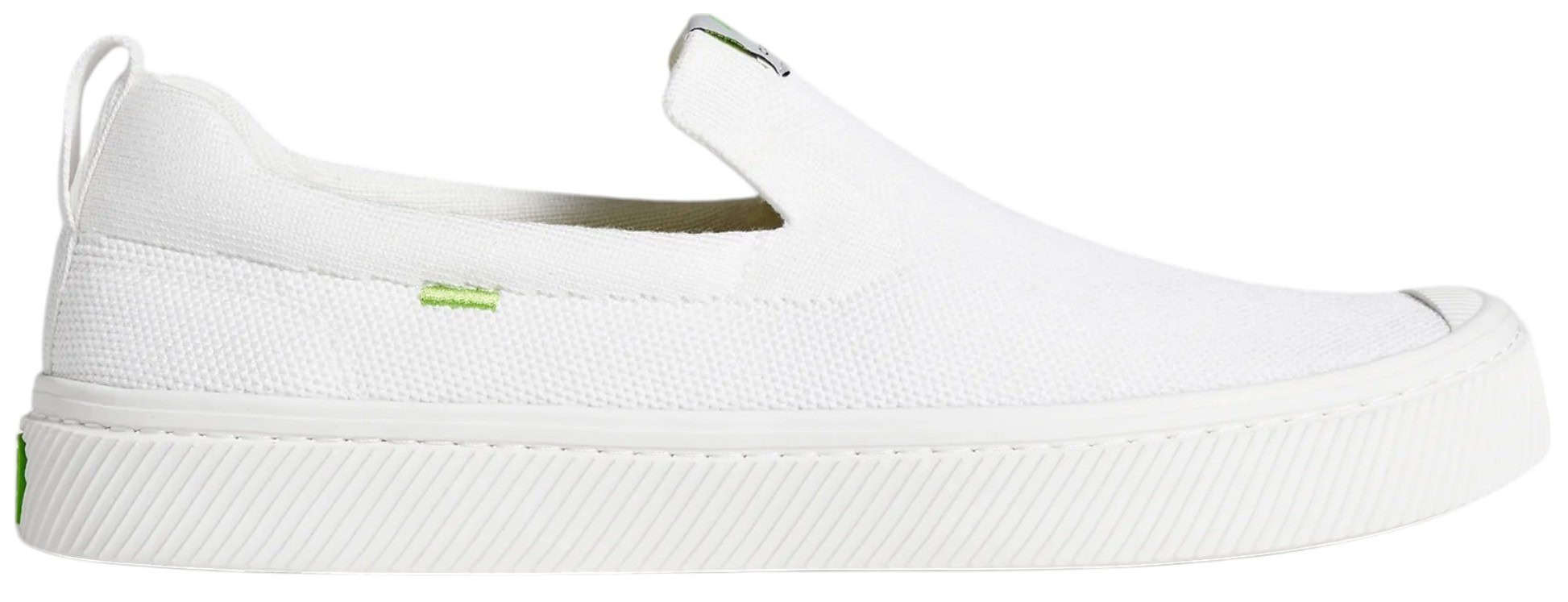
Available in an expansive palette of 18 colors—ranging from neutral whites to vibrant yellows—the low-profile sneaker incorporates an effortless skate-inspired aesthetic while maintaining technical breathability and lightweight construction. The design focuses on minimizing foot fatigue during prolonged daily wear, making it a reliable staple for diverse everyday applications. Sizes range from 5 to 13.
Key Buying Considerations for Knit and Sustainable Footwear
When evaluating alternatives in the sustainable footwear market, consumers must weigh three primary factors:

Materials and Sustainability: True alternatives often incorporate innovative textiles such as bamboo fibers, recycled plastics, castor bean oil, or ethically sourced merino wool. Transparency in supply chains and third-party certifications, such as B Corp status, remain critical indicators of a brand’s environmental commitment.
Comfort and Support: While knit uppers offer superior flexibility and breathability, they frequently provide less lateral stability than traditional leather or reinforced mesh sneakers. Buyers requiring substantial arch support may need to evaluate models with structured internal caging or incorporate aftermarket orthotic insoles.
Style and Application: The distinct silhouette defined by a seamless knit upper and a cushioned sole remains popular for its versatility. Selecting the correct shoe depends heavily on the intended use case, ranging from high-intensity travel and light training to formal leisure and budget-conscious daily wear.
Industry Implications and Future Outlook
As the footwear industry moves toward 2026, the demand for sustainable, lightweight alternatives continues to pressure traditional manufacturing models. Consumers are no longer restricted to a single dominant brand; instead, they benefit from a diversified market where athletic brands, luxury houses, and eco-conscious startups compete on performance, price, and material innovation. This heightened competition ensures that the future of everyday footwear will remain centered on balancing ecological responsibility with uncompromised comfort.