





The fashion industry, a global behemoth, is increasingly under the microscope for its environmental and social footprint. In response to mounting consumer pressure and a critical need for change, a robust movement towards ethical and sustainable practices is gaining significant traction in Australia and New Zealand. A recent assessment by Good On You, a leading platform for rating fashion and beauty brands’ impact, highlights 25 pioneering labels from the region that are demonstrating exemplary commitment to responsible production. This curated selection stands in stark contrast to some mainstream brands, such as Cotton On, Zimmermann, SIR, and Faithfull the Brand, which currently fall short of commendable sustainability benchmarks, earning ratings no higher than "Not Good Enough" or "It’s a Start." Their middling scores underscore the urgent need for industry-wide transformation and pave the way for more conscientious enterprises to lead by example.
The Global Imperative: Addressing Fashion’s Environmental and Social Toll
The urgency for sustainable fashion has never been greater. The global fashion industry is notoriously one of the largest polluters, contributing significantly to climate change, water scarcity, and waste accumulation. Annually, textile waste accounts for millions of tonnes ending up in landfills, with synthetic materials taking hundreds of years to decompose, leaching microplastics into ecosystems. The production process itself is resource-intensive, demanding vast quantities of water for cotton cultivation and energy for manufacturing, often powered by fossil fuels, leading to substantial carbon emissions. According to the UN Environment Programme, the fashion industry is responsible for 8-10% of global carbon emissions, more than all international flights and maritime shipping combined.
Beyond environmental degradation, the social implications of fast fashion are profound. Supply chains are frequently opaque, making it difficult to verify ethical labor practices. Reports of child labor, forced labor, unsafe working conditions, and poverty wages are distressingly common in garment-producing nations. Workers, predominantly women, often toil long hours for remuneration far below a living wage, perpetuating cycles of poverty and exploitation. This grim reality has spurred a global awakening, with consumers increasingly demanding transparency and accountability from the brands they support. The rise of platforms like Good On You reflects this shift, empowering individuals to make informed purchasing decisions that align with their values.
Good On You’s Rigorous Framework: Defining Ethical Excellence
To objectively assess a brand’s commitment to sustainability, Good On You employs a comprehensive rating system that scrutinizes policies and actions across three fundamental pillars: people, planet, and animals. This multi-faceted approach ensures a holistic evaluation, moving beyond superficial greenwashing claims to uncover genuine impact.
Under the "people" pillar, the assessment delves into labor practices throughout the entire supply chain. Key issues examined include the eradication of child labor and forced labor, the provision of safe working environments, the recognition of workers’ rights to unionize, and crucially, the payment of a living wage. Brands demonstrating robust oversight and verifiable efforts to uplift worker welfare receive higher scores.
The "planet" pillar evaluates a brand’s environmental stewardship. This includes scrutinizing resource and energy management strategies, particularly efforts to reduce carbon emissions in line with global climate goals. Water management is another critical component, assessing practices that minimize consumption and prevent pollution of waterways. The safe use and disposal of chemicals, often highly toxic in textile processing, are also thoroughly investigated. Brands that implement closed-loop systems, utilize renewable energy, and prioritize low-impact materials like organic cotton or recycled synthetics are favored.
Finally, the "animals" pillar addresses the ethical treatment of animals in the supply chain. This involves analyzing the use of animal-derived products such as wool, leather, fur, angora, down feather, shearling, karakul, and exotic animal skins and hair. The ideal scenario for a brand is to be 100% vegan, eliminating animal products entirely, or at the very least, ensuring that any animal-derived materials are sourced responsibly with certifications that guarantee animal welfare standards.
Each brand is assigned an overall rating, from "Not Good Enough" to "Great," providing consumers with an accessible snapshot of their ethical performance. This transparent methodology empowers individuals to support companies that are actively working towards a more equitable and sustainable future.
A Regional Spotlight: Australia and New Zealand’s Sustainable Fashion Leaders
As consumer consciousness grows, so does the desire to support local economies and reduce the carbon footprint associated with international shipping. This has led to a surge in demand for locally-based or locally-produced ethical fashion. Good On You’s extensive research identifies a compelling selection of "Good" or "Great" rated fashion brands either headquartered in or predominantly producing within Australia and New Zealand. These brands are not just offering stylish garments; they are weaving sustainability into the very fabric of their business models, demonstrating that fashion can indeed be a force for good.
The Australian Avant-Garde
From Byron Bay’s bohemian aesthetics to Melbourne’s minimalist designs, Australian brands are carving out a significant niche in the ethical fashion landscape.
- Spell: This Byron Bay-based brand draws inspiration from vintage treasures and exotic locales, designing and sampling its garments locally before responsible production globally. Their commitment extends to offering inclusive sizing, ensuring their bohemian-inspired pieces are accessible to a wider audience.
- Outland Denim: More than just a denim brand, Outland Denim is a social enterprise founded with the explicit mission to offer employment and training opportunities to women rescued from human trafficking in Cambodia. Their premium denim products directly support vulnerable individuals, providing them with dignified work and a path to independence.
- RÅPAHAUS: Based in Australia, RÅPAHAUS offers hand-dyed, responsibly made clothing and homewares. The brand deeply respects Indonesian artisans and natural resources, actively empowering local communities and fostering sustainable environmental practices where cultures intersect.
- Sans Beast: Launched in 2018, Sans Beast is an Australian accessories brand dedicated to luxury vegan bags and accessories. Their commitment to cruelty-free fashion is evident in their meticulous sourcing, which includes Global Recycled Standard (GRS) certified materials and innovative plant-based leathers derived from cactus and apple.
- Goodnap: Specializing in linen and organic cotton restwear, Goodnap collaborates with survivors in Cambodia, providing them with dignified work opportunities to rebuild their lives. Their focus on ethical employment underscores a profound social mission.
- Sorella Organics: Founded by Anna McGregor, who has a background in international human rights, this Australian brand offers certified organic sleepwear and maternity wear. Their use of Fairtrade certified cotton guarantees strict social standards are met throughout production, ensuring fair treatment for workers without compromising affordability.
- Frske: This Australian womenswear brand prioritizes utility, lower-impact materials, and quality over quantity. Their design principles emphasize soft silhouettes and a thoughtful approach to production, contributing to a more sustainable fashion cycle.
- Bhumi: Championing sustainable luxury, Bhumi is an Australian brand committed to 100% Fairtrade, organic, and vegan materials for its basics and bedding. They are at the forefront of a new textile era, proving that comfort and ethics can coexist seamlessly.
- Amble Outdoors (formerly Team Timbuktu): This brand creates high-performance waterproof raincoats and outdoor wear using recycled plastic bottles. Their commitment to repurposing waste into functional, durable garments exemplifies circular fashion principles.
- Afends: Born in Byron Bay, Afends is a leading advocate for hemp fashion. Inspired by surf culture and the environment, they aim to create sustainable clothing through innovation, even purchasing 100 acres of farmland, Sleepy Hollow, to grow their own hemp crops, igniting a "hemp revolution."
- ettitude: An Australian brand specializing in sleepwear and bedding, ettitude uses innovative CleanBamboo™ fabric. They implement closed-loop systems in their supply chain to minimize water usage and repurpose offcuts to reduce textile waste, demonstrating a strong commitment to environmental efficiency.
- NICO: Established in 2012 by Lis Harvey, NICO offers high-quality basics and underwear with a minimalist aesthetic. Their factories are signatories to The Bangladesh Fire and Building Safety Accord and are compliant with BSCI and WRAP certifications, ensuring robust worker safety and ethical production standards.
- Flare Street: This Melbourne-based brand captures the essence of 1960s and ’70s style with vintage-inspired prints and quality fabrics. They use locally sourced factory ends in limited production runs and ensure payment of a living wage in their final production stages, blending retro flair with modern ethics.
- Bon Label: Linda Smyth’s search for the perfect white tee led to Bon Label, an Australian brand embodying timeless French simplicity. Their t-shirts are made from 100% organic cotton, and the brand is committed to vegan manufacturing processes and strong responsible labor practices.
- nat’v basics: An Australian underwear label designed for everyday women, nat’v basics uses recycled and lower-impact materials. Their focus on comfort is matched by their dedication to creating pieces that minimize environmental harm, offering soft, minimalist designs.
- Etiko: An Australian designer of organic fair trade clothing and shoes, Etiko consistently sets the standard for upholding and advocating for human rights within traditionally exploitative industry supply chains, ensuring ethical production from start to finish.
- BJ’s PJs: This Australia-based brand creates minimal, comfortable, and supportive lounge and sleepwear from lower-impact materials. By manufacturing garments locally, they significantly reduce shipping impacts and maintain traceability across most of their supply chain.
- ESSÄN: Founded in 2016 by Marre Muijs, ESSÄN directly challenges the fast fashion cycle’s overproduction. The brand focuses on shoes and accessories, limiting production runs, using low-waste cutting techniques, and offering a single, permanent collection that eschews transient trends.
- Eco Intimates: This basics brand specializes in organic cotton lingerie, intimates, and sleepwear. Eco Intimates caters to women who prioritize both body comfort and planetary health, offering a range of sizes and ethically produced garments.
- Boody: Founded by two Australian best friends, Boody centers on comfort, style, and health. They craft everyday essentials from organically grown bamboo, employing lower-waste cutting techniques and closed-loop systems in their supply chain to support the green and ethical movement.
- Citizen Wolf: This innovative brand utilizes revolutionary technology to provide custom-fit t-shirts, handcrafted in Sydney. They use certified lower-impact fabrics like organic cotton, hemp, and Merino wool, milled in Melbourne, guaranteeing a perfect fit and reduced environmental impact.
- Oobi: An Australian girl’s fashion, swimwear, homewares, and lifestyle brand, Oobi uses low-impact, non-toxic dyes and avoids animal products. Their commitment to sustainability also extends to logistics, opting for sea freight to reduce their climate impact.
- Elk: A pioneer of independent Australian design since 2004, Elk produces bi-annual collections guided by an ethos of simplicity, sustainability, and innovation. They are known for their thoughtful approach to materials and responsible manufacturing.
- Kalaurie: This Melbourne-based brand creates stunning capsule collections with an emphasis on signature shirt tailoring. Kalaurie rates highly across all sustainability categories, demonstrating a strong commitment to ethical practices in design and production.
- The ANJELMS Project: This Australian brand is dedicated to improving the lives of its makers. They celebrate traditional techniques, producing naturally dyed and hand-loomed clothes in India using sustainable practices, with limited production to minimize waste and support artisan communities.
New Zealand’s Ethical Trailblazers
New Zealand’s commitment to sustainability is deeply rooted in its pristine natural environment. Its fashion brands reflect this ethos, prioritizing ethical production and environmental care.
- ReCreate: This New Zealand brand crafts boutique clothing that transforms lives through fair employment, training, and empowerment. They utilize lower-impact materials, including organic cotton, and incorporate textile offcuts to reduce waste, embodying a circular economy approach.
- Kowtow: A New Zealand brand renowned for its elegant, timeless womenswear, Kowtow exclusively uses organic, fair trade cotton and non-toxic dyes. Their commitment ensures both environmental safety and social equity throughout their supply chain.
- Joyya: Originating in Kolkata, India, in 2001 and now based in New Zealand, Joyya makes organic apparel to create good jobs in communities plagued by extreme poverty and human trafficking. Their mission is to spark opportunity and end exploitation, making a tangible difference in people’s lives.
Implications and Future Outlook: Shifting the Fashion Paradigm
The emergence and success of these 25 Australian and New Zealand brands signify a critical shift in the fashion industry. Their commitment to ethical production, transparent supply chains, and lower-impact materials provides a viable alternative to the conventional fast fashion model. This movement has several key implications:
Firstly, it underscores the growing power of conscious consumerism. As more individuals prioritize ethical considerations in their purchasing decisions, brands are compelled to adapt or risk losing market share. Platforms like Good On You play a pivotal role in this, democratizing access to information and fostering greater accountability.
Secondly, these brands demonstrate that profitability and responsibility are not mutually exclusive. By focusing on quality, durability, and a compelling ethical narrative, they are building loyal customer bases and proving that sustainable business models can thrive. This success challenges the long-held industry belief that ethical production is inherently more expensive and less scalable.
Thirdly, the rise of regional sustainable fashion leaders can inspire broader industry change. Their innovations in material sourcing, waste reduction, and fair labor practices offer blueprints for larger, more established brands to follow. The scrutiny applied to giants like Cotton On by rating systems serves as a potent reminder that all players, regardless of size, must evolve.
Looking ahead, the momentum for sustainable fashion is expected to intensify. Regulatory bodies may introduce stricter environmental and labor standards, further leveling the playing field for ethical brands. Technological advancements in material science and production processes will continue to offer new avenues for reducing impact. Ultimately, the collective efforts of consumers, innovative brands, and advocacy organizations are gradually but definitively reshaping the fashion landscape, pushing it towards a future where style and ethics are inextricably linked.
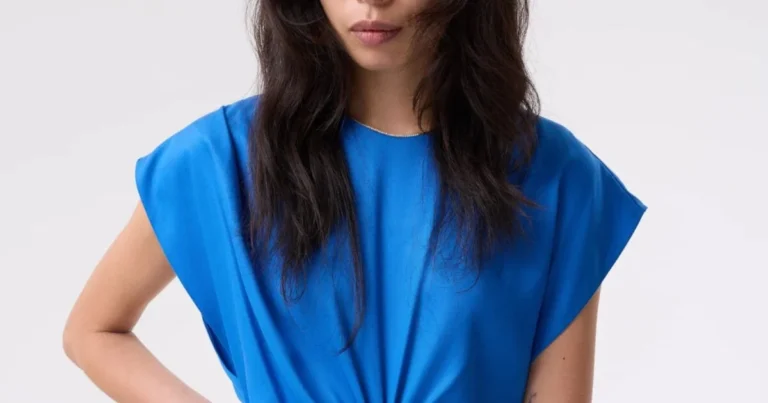
Editor’s note: This article highlights a selection of pioneering brands identified by Good On You, which publishes the world’s most comprehensive ratings of fashion and beauty brands’ impact on people, the planet, and animals. Readers are encouraged to use the Good On You directory to explore ratings for thousands of additional brands. The feature image is by ESSEN; all other images are via the brands mentioned. This article was updated on 26 May 2026 to ensure it reflects brands with recent ratings and current information.