











Fabric pilling, the formation of small, unsightly balls of entangled fibers on the surface of textiles, represents a ubiquitous challenge for garment longevity and appearance. Often described as "tumbleweeds" of loose fibers, pilling is a natural consequence of friction and wear, affecting even high-quality knitwear. However, a recent comprehensive study, rigorously testing nine common household and specialized tools on a 100% wool sweater, has provided definitive insights into the most effective, efficient, and safe methods for restoring garments to their pristine condition, identifying the electric fabric shaver and the humble nail file as the leading solutions.
Understanding Fabric Pilling: A Textile Perspective
Pilling is a complex textile phenomenon driven primarily by mechanical abrasion. It occurs when loose fibers on the surface of a fabric become tangled together, forming tiny, spherical knots. Several factors contribute to a fabric’s propensity to pill:

- Fiber Type and Length: Shorter staple fibers (common in lower-quality wools or recycled materials) are more likely to migrate to the surface and pill than longer, stronger fibers. Synthetic fibers like polyester, while durable, often pill because their strength prevents shed fibers from breaking off, instead holding them firmly to the fabric surface. Natural fibers like silk and linen, with their longer, smoother filaments, generally exhibit superior pill resistance.
- Yarn Construction: Loosely spun yarns with less twist tend to pill more readily than tightly spun, highly twisted yarns, as they allow individual fibers to escape more easily.
- Fabric Structure: Loosely woven or knitted fabrics provide more opportunities for fibers to move and tangle compared to tightly constructed fabrics.
- Friction: The primary catalyst for pilling is friction, whether from rubbing against other garments, upholstery, or even body movement during wear and washing.
The economic implications of pilling are substantial. Unsightly pilled garments are often prematurely discarded, contributing to textile waste and driving consumers to replace items more frequently. This cycle not only impacts individual budgets but also exacerbates environmental concerns related to fast fashion and landfill accumulation. A study by the Ellen MacArthur Foundation highlighted that the average consumer throws away 60% of their clothing within a year of purchase, with appearance degradation, including pilling, being a significant factor. Effective garment care, therefore, extends beyond aesthetics to encompass sustainability and economic prudence.
The Methodology: A Rigorous Comparative Analysis
Driven by the widespread consumer need for practical, evidence-based solutions, the study embarked on a comparative analysis of widely available de-pilling tools. A standard 100% wool sweater, chosen for its common susceptibility to pilling, served as the test subject. Nine distinct methods were applied to designated sections of the garment, with performance assessed across three critical metrics:
- Efficiency: The speed and ease with which pills were removed from a given area.
- Safety: The risk of damage to the fabric, such as thinning, snagging, or creating holes.
- Cost: The initial investment required for the tool.
The objective was to provide a clear, actionable ranking that empowers consumers to make informed decisions about garment care, prioritizing both effectiveness and the preservation of their valuable knitwear. This methodical approach sought to move beyond anecdotal evidence and provide a definitive guide for maintaining a refined wardrobe.

Top Performers: Precision and Accessibility Redefined
The study unequivocally identified two standout performers, demonstrating that effective pilling removal can be achieved through both specialized investment and resourceful household solutions.
The Electric Fabric Shaver: The Gold Standard for Garment Care
Emerging as the undisputed leader with a perfect 10/10 score, the electric fabric shaver, or de-fuzzer, proved to be an indispensable tool for serious wardrobe maintenance. Its mechanism involves a rotating blade covered by a protective mesh guard, which effectively shaves off pills without coming into direct contact with the underlying fabric.
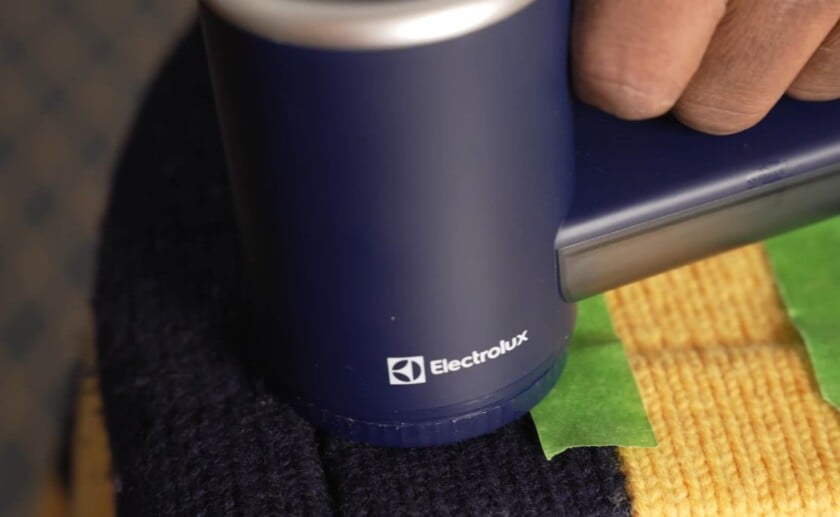
- Efficiency: The electric fabric shaver demonstrated superior speed and efficacy, clearing large pilled areas in mere minutes with minimal effort. Its motor-driven action ensures consistent and thorough removal.
- Safety: The protective guard is paramount to its safety, preventing accidental snags, cuts, or thinning of the fabric. When used correctly, with light, even pressure, the risk of damage is remarkably low.
- Investment: While requiring an initial outlay, ranging from $15 to $50 for quality models, its long-term benefits in preserving garments make it a cost-effective investment. Textile care professionals frequently recommend electric fabric shavers for their reliability and professional-grade results. "For anyone committed to extending the life of their knitwear, an electric fabric shaver is not a luxury, but a fundamental tool," commented a spokesperson from the Garment Care Institute, emphasizing its role in sustainable fashion practices.
The Nail File: A Surprising Household Champion
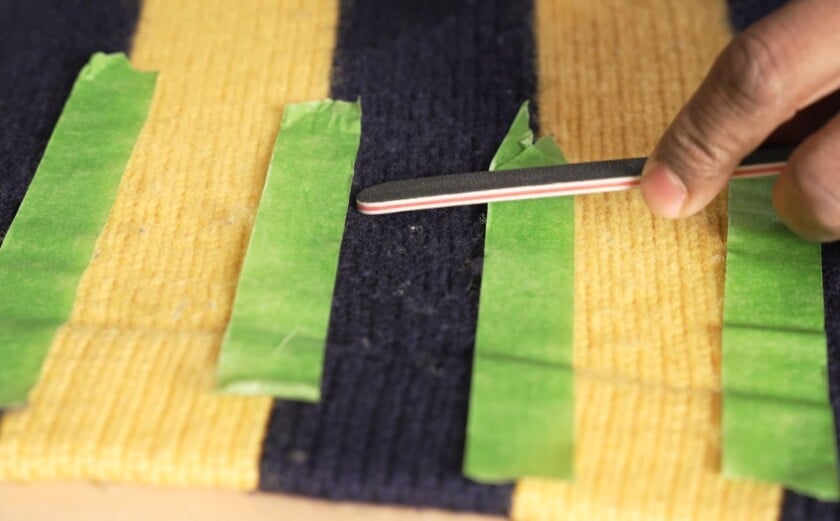
Perhaps the most unexpected revelation of the study was the exceptional performance of a simple emery board or nail file, which also achieved a remarkable 10/10 score, particularly in the budget-friendly category.
- Efficiency: The abrasive surface of a fine-grit nail file proved surprisingly effective at gently lifting and detaching pills from the fabric. When used with light, controlled strokes in one direction, it efficiently collects the loose fibers.
- Safety: Its manual operation allows for precise control, significantly reducing the risk of accidental damage compared to sharper tools. The key lies in applying minimal pressure and working slowly.
- Cost: At virtually no cost, given its common presence in most grooming kits, the nail file presents an unparalleled budget alternative. Its accessibility makes it an ideal solution for immediate fixes or for those hesitant to invest in specialized equipment. However, caution is advised to ensure the file is clean and free of sharp edges that could snag the fabric.
Mid-Tier Solutions: Balanced Performance with Considerations
Beyond the top two, several other methods offered varying degrees of effectiveness, often accompanied by specific caveats.
Electric Facial Shaver (8/10): An adapted use of a personal grooming tool, the electric facial shaver proved reasonably fast for pilling removal. However, its design, optimized for skin, meant that fabric fibers could occasionally clog the blades, requiring frequent clearing and potentially leading to uneven removal or minor snags if not handled carefully. Its safety rating was thus considered medium.
Manual Razor (8/10): While highly efficient in removing pills, a standard manual razor carried a significant risk, earning a low safety rating. The sharp blades, if not handled with extreme precision and a very light touch, could easily cut or thin the fabric, particularly on delicate knits. This method demands a steady hand and considerable caution, making it less suitable for general use or inexperienced users.
Pumice Stone (6/10): A traditional method, the pumice stone provided reasonable effectiveness. Its abrasive surface works similarly to a nail file but on a larger scale. It effectively lifts pills but can be somewhat messy, shedding small particles. Its medium safety rating reflects the need for careful, gentle application to avoid excessive abrasion or stretching of the fabric.
Methods for Minor Maintenance or to Avoid Entirely
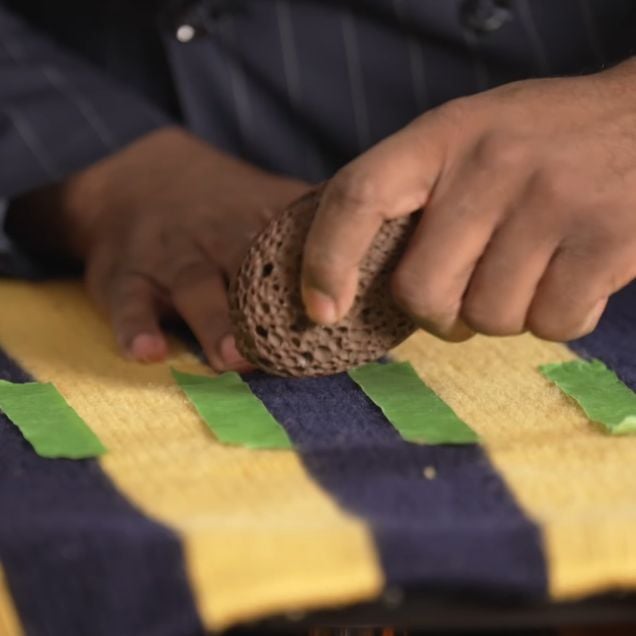
The study also evaluated methods better suited for preventative maintenance or those that pose an unacceptable risk to garment integrity.
Clothes Brush (5/10): Primarily designed for removing surface dust, lint, and loose fibers before they can form pills, a clothes brush has limited efficacy in removing existing, well-formed pills. Its strength lies in maintenance rather than repair, earning a low efficiency score for pill removal.
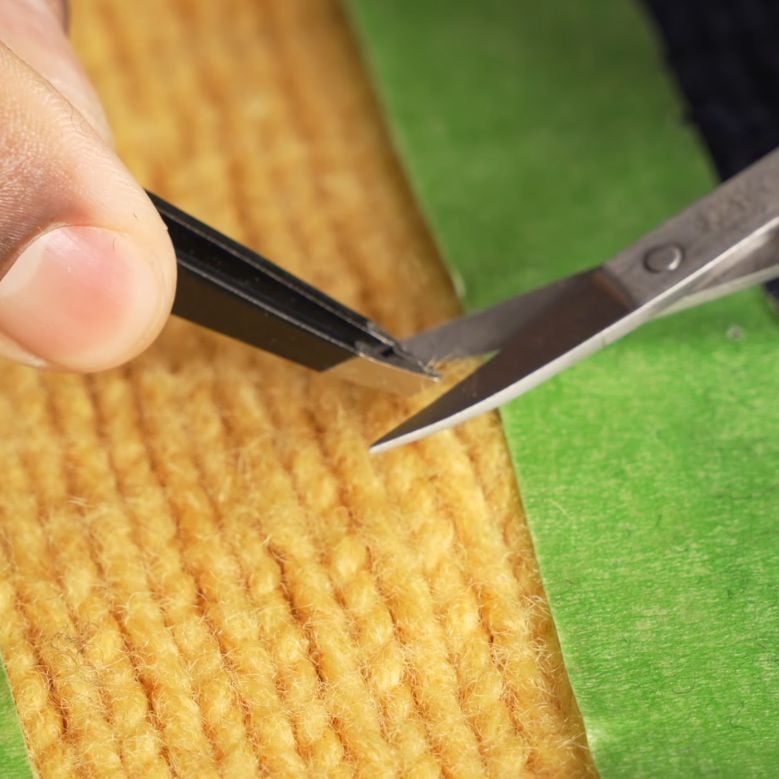
Tweezers and Nail Scissors (3/10): These tools are excellent for "surgical" spot-fixes, meticulously removing one or two isolated bobbles. However, their efficiency for an entire pilled sweater is exceedingly low, making them impractical for widespread pilling. While highly safe for precision work, the time investment renders them largely unviable for comprehensive garment restoration.
Lint Roller / Tape (2/10): Often mistaken as a pilling solution, lint rollers and adhesive tape are only effective at picking up loose surface fuzz and lint. They do not have the abrasive or cutting power to detach entangled pills from the fabric, hence their very low efficiency score for true pilling.
Sandpaper (1/10): Despite its abrasive nature, sandpaper proved to be the most detrimental method tested. While it might superficially remove some pills, its aggressive texture causes significant damage to the fabric’s integrity, leading to thinning, irreversible abrasion, and potential holes. It received a very low safety rating and is strongly advised against.
The Golden Rule of Knitwear Maintenance: Proactive Care
While effective tools can restore a pilled sweater, the most gentlemanly approach to style and garment care remains proactive prevention. Pilling, though an inevitable consequence of wearing high-quality natural fibers, can be significantly minimized through diligent care practices.
- Fabric Selection: Opt for garments made from tightly woven or knitted fabrics with longer staple fibers, as these naturally resist pilling more effectively. Natural fibers like silk, linen, and high-quality Merino wool tend to pill less than synthetic blends or lower-grade wools.
- Washing Techniques: Always turn garments inside out before washing to reduce surface friction. Utilize a gentle cycle with cold water and a specialized wool or delicate detergent. Avoid overloading the washing machine, as crowded garments increase abrasion.
- Drying Methods: Air drying is highly recommended. Tumble drying, especially on high heat, significantly increases friction and can exacerbate pilling.
- Storage: Store knitwear folded rather than hung to prevent stretching and distortion. Ensure garments are clean and dry before storage to prevent mold or insect damage.
"Extending the lifespan of clothing through proper care is a cornerstone of sustainable living," stated a representative from a leading consumer advocacy group. "Every garment saved from the landfill represents a reduction in resource consumption and waste." Empowering consumers with effective maintenance strategies contributes directly to a more circular and environmentally conscious fashion ecosystem.

Broader Implications: Sustainability and Consumer Empowerment
This study’s findings have far-reaching implications for both consumers and the broader textile industry. By providing clear, evidence-based recommendations, it empowers individuals to extend the life of their garments, reducing the need for constant replacement. This aligns with a growing global movement towards sustainable consumption and a circular economy, where products are kept in use for as long as possible.
The ease and affordability of the nail file as an effective solution democratize garment care, making high-quality maintenance accessible to everyone, regardless of budget. Simultaneously, the validation of the electric fabric shaver as a professional-grade tool encourages investment in specialized equipment for those serious about preserving their wardrobe.
As textile innovations continue, the focus on durability and ease of maintenance will likely grow. However, for the foreseeable future, informed choices about garment care tools and practices remain paramount. The ability to restore a beloved, pilled sweater not only saves money but also fosters a deeper appreciation for craftsmanship and the environmental impact of our consumption habits.

For comprehensive guides on maintaining investment pieces, consumers are encouraged to consult resources on sweater care, storage, and the benefits of proper garment hygiene. The journey towards a more sustainable and dapper wardrobe begins with understanding and implementing effective care routines.