











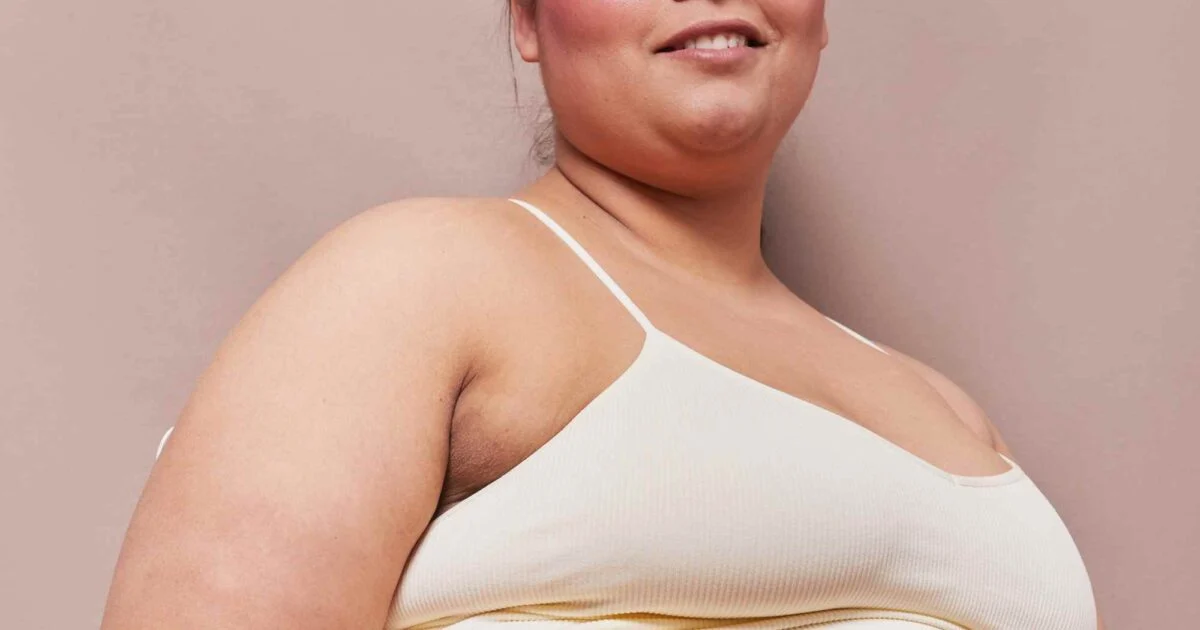
Underwear, an intimate layer worn daily, is increasingly becoming a focal point in the global movement towards sustainable fashion. As consumers grow more aware of the environmental and social ramifications of their clothing choices, the demand for ethically produced, eco-friendly intimates is surging. This comprehensive guide delves into the crucial importance of comfortable and conscious underwear, highlighting brands that are leading the charge in crafting high-quality, lower-impact options that align with both personal values and planetary well-being. From organic cotton to innovative recycled materials, these pioneering brands are redefining what it means to dress sustainably from the inside out.
The Unseen Impact: Why Sustainable Underwear Matters
For decades, the underwear industry, much like the broader fashion sector, has been dominated by fast fashion models prioritizing low costs and rapid production. This often translates into significant environmental degradation and concerning social practices. Conventional underwear frequently relies on synthetic fabrics like polyester, derived from fossil fuels, which are non-biodegradable and shed microplastics with every wash, polluting waterways. Traditional cotton, while natural, can be highly water-intensive and often uses vast quantities of pesticides and insecticides, impacting soil health, biodiversity, and agricultural workers’ health. According to the World Wildlife Fund (WWF), it can take up to 2,700 liters of water to produce the cotton needed for a single T-shirt, and conventional cotton accounts for a significant portion of the world’s insecticide use.
Furthermore, the global supply chains for conventional intimates can be opaque, making it difficult to ascertain fair labor practices, living wages, and safe working conditions for garment workers. Reports from organizations like the Clean Clothes Campaign consistently expose issues such as sweatshop conditions, child labor, and poverty wages in various parts of the world. The personal impact is also noteworthy; materials like polyester can trap moisture and lack breathability, potentially leading to discomfort and skin irritation. Choosing sustainable underwear is a direct response to these systemic issues, offering an alternative that champions environmental stewardship, ethical manufacturing, and wearer comfort.
A Growing Movement: Consumer Demand and Market Evolution
The landscape of consumer behavior is rapidly shifting, with a discernible trend towards conscious consumption. Recent reports indicate that the global sustainable fashion market is projected to reach over $10 billion by 2025, with some analyses suggesting it could exceed $33 billion by 2030, with a significant portion attributed to everyday essentials, including intimates. This growth is fueled by an informed consumer base that actively seeks transparency, ethical sourcing, and ecological responsibility from brands. A 2023 study by Statista revealed that environmental impact and ethical production are increasingly important factors for consumers when making purchasing decisions, particularly among younger demographics. Brands that integrate these values into their core identity are not just meeting a market demand; they are driving a fundamental change in industry standards. This evolution