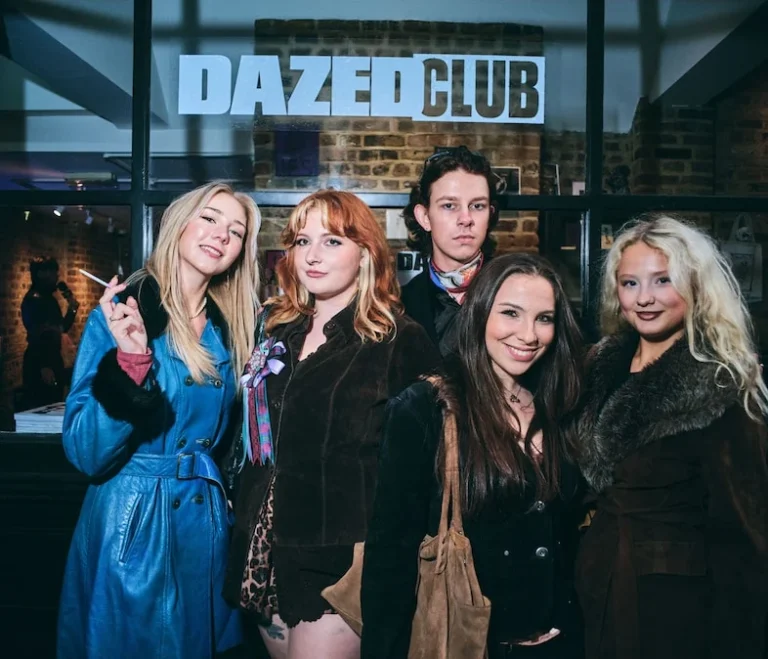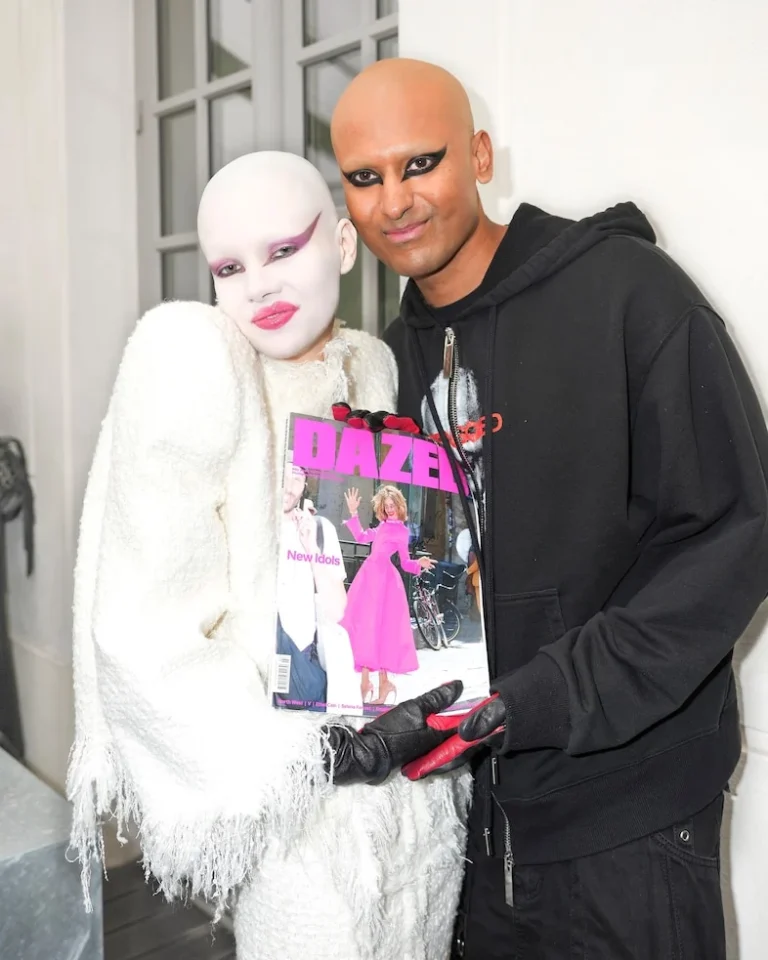










In recent years, as algorithms have increasingly "flattened" culture in favor of mass appeal, a growing movement seeks to reclaim individual agency by cultivating authentic personal taste. This pushback emerges from a palpable sense of homogeneity permeating digital spaces, where recommendation engines, driven by engagement metrics, often funnel users towards similar, safe content. Thom Waite, senior writer at Dazed, articulates this sentiment succinctly: "In a world where AI is automating vast swathes of human activity, and churning out endless rivers of capital-C Content in the process, taste feels like all we have left." The challenge, however, lies in discerning genuine preferences amidst an omnipresent digital echo chamber, where the temptation to conform to fleeting trends is ever-present.
The phenomenon of algorithmic homogenization is not merely anecdotal; it is a well-documented consequence of the digital infrastructure that underpins much of contemporary cultural consumption. Platforms like TikTok, Instagram, and even streaming services like Netflix and Spotify, are designed to maximize user engagement. Their algorithms analyze user behavior—likes, shares, watch times, skips—to predict and recommend content they believe will keep users hooked. While seemingly offering personalization, this system often leads to a narrowing of exposure, as content that performs well for a broad audience is amplified, overshadowing niche or unconventional creations. Data from companies like Statista reveal that global social media users spend an average of 151 minutes per day on these platforms, indicating the profound influence these digital gatekeepers wield over daily cultural intake. This constant exposure to algorithmically curated content means that many individuals find themselves purchasing items, consuming media, or attending events not out of genuine interest, but because social media has designated them "cool" or "trending," often leading to subsequent feelings of emptiness and dissatisfaction.
The Evolution of Taste: From Gatekeepers to Algorithms
The concept of "taste" and its cultivation has undergone a significant transformation throughout history. For centuries, cultural taste was largely dictated by traditional gatekeepers: art critics, literary reviewers, academic institutions, and high society. These entities established canons and hierarchies, often reinforcing class distinctions, where "highbrow" culture (e.g., ballet, opera, classical literature) was inherently deemed superior to "lowbrow" forms (e.g., popular fiction, folk music, vaudeville). This system, while often exclusionary, provided a framework for critical discourse and curation, guiding individuals towards what was considered culturally significant.
The advent of the internet in the late 20th century began to democratize access to information and culture, challenging these traditional gatekeepers. Early online communities and forums fostered niche interests and allowed for a broader exchange of ideas. However, the rise of Web 2.0 and the proliferation of social media platforms in the 2000s introduced a new, far more powerful arbiter of taste: the algorithm. Initially designed to help users navigate an overwhelming amount of information, these algorithms quickly evolved into sophisticated recommendation engines. Facebook’s News Feed, launched in 2006, marked a pivotal moment, shifting from a chronological display to an algorithmically ranked one, prioritizing content deemed most relevant or engaging. Subsequent platforms followed suit, refining their algorithms to create hyper-personalized feeds.
By the 2010s, the "go viral or die" mentality described by cultural critics like Kyle Chayka became pervasive. Content creators, artists, and brands found themselves increasingly beholden to algorithmic visibility, leading to a commercialization of virality. This environment incentivizes the production of content that is easily digestible, emotionally resonant, and broadly appealing, often at the expense of nuance, complexity, or originality. As a result, users are often trapped in "filter bubbles" and "echo chambers," where their existing preferences are reinforced, and exposure to genuinely new or challenging perspectives is minimized. A 2022 report by the Pew Research Center indicated that a significant majority of adults in the U.S. get their news and cultural information from social media, underscoring the algorithms’ profound influence on public discourse and individual perception.
The Psychological Toll of "Mass Appeal" Culture
The constant bombardment of algorithmically optimized content and the pressure to conform to trending aesthetics exert a considerable psychological toll. Research by psychologists and media scholars highlights the detrimental effects on individual well-being and cognitive function. The relentless pursuit of external validation, often sought through likes, shares, and follower counts, can lead to increased anxiety, reduced self-esteem, and a profound sense of dissatisfaction when one’s choices, influenced by trends, fail to align with authentic preferences. This phenomenon is particularly acute in areas like fashion, where the accelerated "microtrend" cycle—fueled by platforms like TikTok—encourages rapid consumption and disposal of items. Trends such as "Carolyn Bessette Kennedy," "whimsigoth," or "cottagecore" emerge and fade within months, leaving consumers with wardrobes full of quickly outdated items and an amplified sense of uncertainty about their personal style.
Moreover, the structure of social media platforms, with their endless feeds and constant notifications, has been linked to a decline in attention spans. The dopamine-driven feedback loops inherent in these platforms condition users to seek instant gratification, making it challenging to engage with longer, more complex works of art, literature, or film. A study published in Nature Communications in 2019 suggested a global decrease in collective attention span, with trends shifting more rapidly across various cultural domains. This "fried attention span" directly impedes the deep, reflective engagement necessary for developing nuanced personal taste, often leading individuals to abandon challenging works in favor of more immediately gratifying, superficial content.
Reclaiming Autonomy: Strategies for Developing Personal Taste
Breaking free from the algorithmic loop and cultivating genuine personal taste requires intentional effort and a conscious re-evaluation of how we consume culture.
Embracing Instinct and Challenging Cultural Hierarchies:
The first step towards authentic taste involves reconnecting with one’s innate preferences, free from external pressures. This necessitates a critical examination of ingrained cultural biases, particularly the persistent "highbrow" versus "lowbrow" dichotomy. Historically, this distinction has been used by moneyed upper classes to dictate what is "tasteful," a legacy that, even in 2026, continues to influence perceptions. The recent backlash faced by actor Timothée Chalamet for suggesting that ballet and opera were "dying art forms" serves as a poignant example of how deeply entrenched these hierarchical views remain. Critics and audiences reacted strongly, interpreting his comments as an affront to traditional arts, despite their dwindling mainstream appeal. This incident underscores the societal conditioning that equates certain art forms with inherent superiority, regardless of individual resonance.
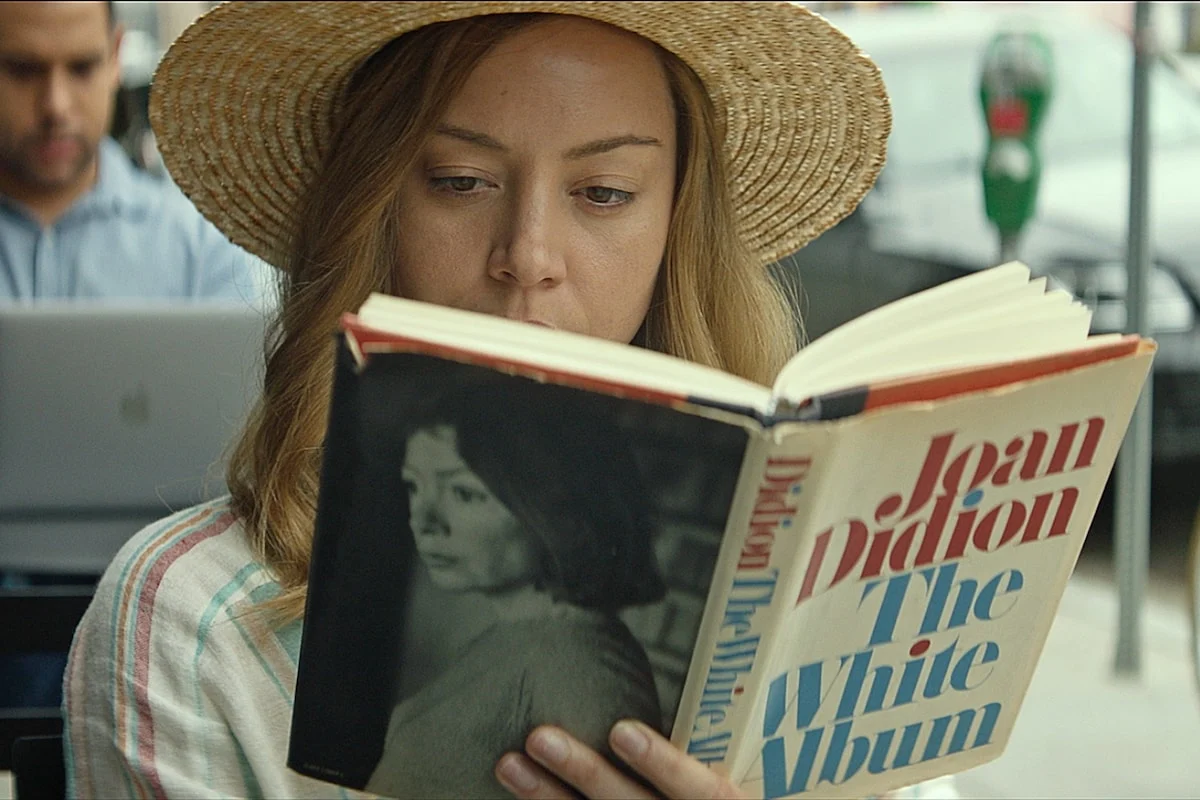
Waite argues that such fusty, classist preconceptions are irrelevant when it comes to personal taste. The true measure lies in answering two fundamental questions: "Do I really like what I like? And why?" This introspective approach encourages individuals to value their subjective experiences over externally imposed judgments. Furthermore, acknowledging the impact of digital consumption on attention spans, it becomes crucial to choose content that genuinely piques interest. It is far more beneficial, for instance, to fully immerse oneself in a "pulpy beach read" than to superficially attempt to "slog through War and Peace" only to abandon it after a few pages. Authenticity in engagement fosters a stronger connection to the material and a clearer understanding of one’s preferences.
The Value of Unbiased First Encounters:
In an age saturated with reviews, hot takes, and influencer opinions, the practice of "going in blind" offers a powerful method for developing an unadulterated personal response to cultural works. This approach involves engaging with a piece of art, a book, a film, or an album before consuming any external commentary. Waite exemplifies this by avoiding wall labels at art exhibitions and refraining from reading reviews prior to experiencing a book or film. This deliberate ignorance forces an individual to confront the work on their own terms, fostering independent critical thought and emotional resonance. Without pre-existing biases or expectations, the individual’s initial reaction is purely their own, laying the groundwork for unique and original opinions. When subsequent discourse is engaged, these independently formed opinions become robust and genuinely reflective of personal taste, rather than merely a regurgitation of popular sentiment. This independent assessment is a crucial skill in media literacy, allowing individuals to develop their own analytical frameworks.
Strategic Engagement with Criticism:
While independent thought is paramount, dismissing all criticism would be a disservice to intellectual development. Engaging with expert criticism can be an immensely helpful tool for shaping one’s views and expanding cultural horizons. Many critics dedicate significant time and intellectual rigor to their fields, offering insights and contextual understanding that can deepen appreciation and provoke new perspectives. For those seeking to develop their taste but unsure where to begin, critics can provide valuable starting points. For example, exploring films shortlisted for the Academy Award for Best Picture or novels nominated for the Booker Prize can offer curated entry points into specific genres or contemporary trends.
However, the key lies in engaging with criticism, not parroting it. Criticism should serve as a dialogue, not a monologue of ready-made opinions. It is vital to recognize that even highly regarded critics are fallible and their opinions, while informed, are not gospel. As Waite notes, "Engaging with criticism can be useful, but it’s silly to think you have to agree with everything a critic says." Developing personal taste involves becoming comfortable with disagreeing with critics, even those one admires. The value often lies in how critics articulate their arguments or how their opinions fit into a broader cultural worldview, rather than simply whether their conclusions align with one’s own. This discerning approach cultivates a more sophisticated understanding of cultural discourse and strengthens individual critical faculties.
Mindful Digital Disengagement and Intentional Consumption:
Perhaps the most direct action an individual can take is to consciously limit and critically evaluate their digital cultural consumption. Continuously relying on algorithmic recommendations for cultural intake makes it harder to discover genuine preferences. This is especially true for fleeting microtrends in fashion, which often leave consumers feeling unfulfilled. Data from organizations like Greenpeace and the Ellen MacArthur Foundation have highlighted the significant environmental impact of fast fashion, driven in part by these rapid trend cycles.
If social media use is unavoidable, it must be approached with intentionality. While algorithms occasionally surface genuinely interesting content—a new author, a unique fashion influencer, an obscure director—it is crucial to engage with a critical lens. Questions should be asked: Is this content a paid promotion? Is the gushing review influenced by a free premiere ticket? Will these shoes truly bring personal joy, or do they merely look appealing on a phone screen? Developing "media literacy" in the digital age involves scrutinizing the motivations behind content creation and recommendation. Furthermore, exploring alternative, more niche social media platforms like Are.na or Perfectly Imperfect can offer a refreshing antidote to mainstream algorithmic feeds. These platforms often prioritize curation, community, and genuine discovery over virality and mass appeal, exposing users to a wider array of genuinely new and interesting material.
The Societal and Individual Implications of Taste Cultivation
Ultimately, the journey of cultivating personal taste transcends mere cultural preference; it is a profound act of self-discovery and resistance against homogenization. It is about reclaiming agency in an increasingly algorithm-driven world, fostering a deeper connection with oneself and the broader cultural landscape.
The most significant barrier to this endeavor is often the fear of judgment. The desire to be perceived as having "good taste" can overshadow genuine interest. However, intelligent individuals understand that taste is inherently subjective, fluid, and often delightfully incoherent. Worrying about others’ opinions on one’s enjoyment of a reality TV show like Married at First Sight or a romantasy novel series like A Court of Thorns and Roses is ultimately unproductive. As Dazed’s culture editor Halima Jibril exemplifies, taste can be wonderfully dynamic. Her appreciation for profound works by James Baldwin, Andrea Dworkin, and bell hooks coexists with her deep affection for Taylor Swift’s albums evermore and folklore, which provided solace during a challenging period. Her ethos—"I don’t really care if it’s seen as uncool. All that stuff doesn’t matter. Her music makes me feel good. I like it. And that’s it."—serves as a powerful guiding principle: if it resonates with you, if it brings you joy, that is its inherent value.
Cultivating authentic taste fosters a sense of personal liberation. It moves individuals away from the anxieties of external validation and towards the satisfaction of intrinsic enjoyment. On a broader societal level, a collective embrace of diverse, individual tastes acts as a vital counterweight to the homogenizing forces of algorithms. It ensures the continued vibrancy of niche art forms, supports diverse creators, and enriches the overall cultural dialogue. In a world increasingly shaped by automated systems, the conscious development of personal taste becomes not just a cultural pursuit, but a fundamental act of human self-definition and a quiet, yet powerful, form of resistance.