








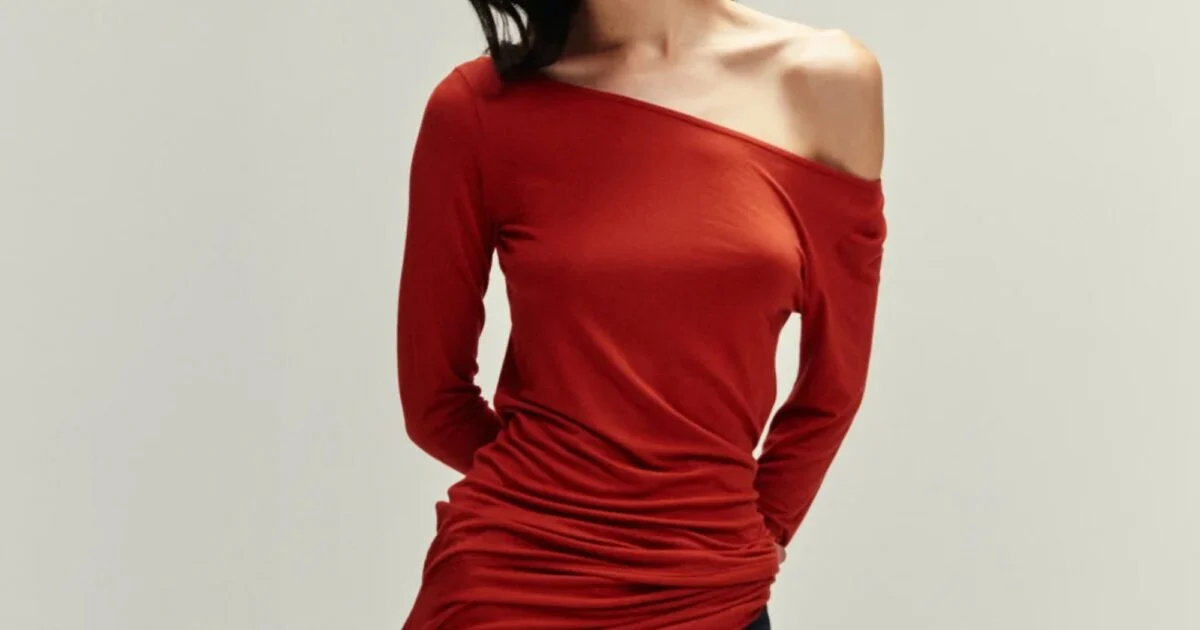
The modern fashion landscape has undergone a profound transformation over the past decade, driven by the acceleration of digital commerce and the ubiquitous influence of social media platforms. Among the myriad retailers that have capitalized on this digital shift, the Hong Kong-based fashion brand CIDER has emerged as a dominant force in the ultra-fast-fashion market. Since its inception in 2020, the brand has successfully leveraged platforms like TikTok to capture the attention of a global youth demographic. Driven by viral marketing campaigns and the cultural phenomenon of the online clothing "haul," the brand boasts tens of thousands of dedicated video tags, cementing its status as a go-to destination for trend-conscious shoppers looking for immediate access to current styles. However, this meteoric rise has been met with severe criticism from sustainability advocates, labor rights organizations, and ethical fashion watchdogs. Independent sustainability ratings platforms, such as Good On You, have assigned CIDER the lowest possible score of "We Avoid," prompting a broader industry conversation regarding the true environmental and human cost of ultra-fast fashion. As the brand expands its physical retail footprint into brick-and-mortar storefronts, consumers and industry analysts alike are increasingly scrutinizing the operational models that enable such rapid production cycles and rock-bottom retail prices.
The Rise and Operational Model of Ultra-Fast Fashion
To understand the current consumer backlash against CIDER, one must examine the operational framework that defines the ultra-fast-fashion business model. Unlike traditional retail models that operate on seasonal collections, ultra-fast-fashion companies rely on data-driven design algorithms and highly responsive supply chains to push thousands of distinct styles onto their e-commerce platforms each week. This hyper-accelerated production cycle allows brands to capitalize on micro-trends popularized by influencers almost instantaneously.
CIDER’s ascent began in 2020 during a period marked by increased online shopping due to global lockdowns. By utilizing targeted digital marketing and cultivating partnerships with social media content creators, the brand quickly established a massive digital presence. The hashtag #ciderhaul has amassed traction across approximately 27,000 TikTok videos, functioning as a powerful engine for organic brand awareness and continuous consumer acquisition.
Despite its commercial success, the mechanics of producing garments that retail for as low as £4 per top raise significant concerns regarding labor practices and material sourcing. Industry watchdogs note that such low price points necessitate compromises somewhere within the supply chain. When garments are produced at a fraction of the cost typically associated with ethical manufacturing, the financial burden is invariably absorbed by vulnerable factory workers who may be subjected to substandard labor conditions, excessive working hours, and inadequate compensation, or by the environment, which bears the brunt of unregulated chemical runoff and textile waste.
Environmental Impact and Animal Welfare Assessments
Independent assessments of CIDER’s manufacturing practices reveal systemic shortcomings across multiple sustainability metrics. According to Good On You’s comprehensive evaluation framework, CIDER receives a "Very Poor" rating for its environmental impact. This classification is primarily driven by the brand’s heavy reliance on virgin synthetic materials, such as polyester, nylon, and acrylic, which are derived from fossil fuels and take hundreds of years to decompose. Furthermore, the brand has demonstrated a lack of transparent action regarding the reduction of harmful chemical usage, wastewater treatment protocols, and greenhouse gas emissions across its sprawling supply chain.
In the realm of labor conditions, CIDER has similarly been rated "Very Poor." Ethical fashion standards dictate that brands must publish detailed information regarding their supplier code of conduct, auditing processes, and tier-one through tier-four factory locations to ensure transparency and accountability. CIDER has consistently failed to provide sufficient, verifiable data regarding the treatment, wages, and safety standards of the workers who manufacture its garments. For the conscious consumer, this lack of transparency presents a significant ethical barrier, as it obscures the human stories behind inexpensive apparel.
Regarding animal welfare, the brand receives a rating of "It’s a Start," a categorization that stems primarily from the fact that it largely avoids animal-derived materials—such as leather and exotic skins—across the majority of its product catalog, with the exception of wool. However, analysts point out that this rating is largely incidental rather than the result of a proactive animal welfare policy. The brand provides no traceable evidence to confirm the ethical sourcing of the wool it utilizes, nor does it enforce a formalized policy ensuring the humane treatment of animals within its supply chain. Consequently, the cumulative assessment firmly places CIDER among the cohort of fashion retailers that sustainability advocates advise consumers to bypass entirely.
Shifting Consumer Paradigms: The True Cost of Cheap Clothing
The proliferation of ultra-fast fashion has fostered a culture of disposable clothing, wherein garments are purchased impulsively, worn a minimal number of times, and subsequently discarded into landfills. Data from environmental agencies indicates that the vast majority of synthetic textiles produced globally end up in landfills or incineration facilities, contributing significantly to global microplastic pollution and carbon emissions.
While items purchased from brands like CIDER may appear economical at the point of purchase, sustainable fashion economists argue that the long-term cost to society and the environment is unsustainable. The "buy less, buy better" philosophy advocates for a fundamental shift in consumer psychology, urging shoppers to view clothing as a durable investment rather than a transient commodity. By purchasing higher-quality garments designed for longevity, consumers can significantly reduce their overall wardrobe footprint, ultimately saving money over time by avoiding the cycle of constant replacement necessitated by poor-quality manufacturing.
Curating a Sustainable Wardrobe: Alternatives to CIDER’s Best-Sellers
For consumers who appreciate contemporary aesthetics, trendy silhouettes, and versatile wardrobe staples but wish to align their purchasing habits with ethical and environmental standards, a growing number of certified "Good" and "Great" brands offer viable alternatives. These enterprises prioritize circular economy principles, transparent supply chains, lower-impact materials, and fair labor practices. Below is a curated selection of ethical alternatives designed to replace CIDER’s most popular clothing categories without compromising on style.
Knitwear Alternatives: Gaia Segattini Knotwear
For consumers seeking contemporary knitwear reminiscent of CIDER’s popular boat-neck sweaters and winter apparel, Italian brand Gaia Segattini Knotwear presents an exemplary model of circular fashion. Assembled and packaged entirely in Italy, the brand utilizes high-quality production leftovers and deadstock yarns. This intentional design philosophy not only reduces industrial waste but also ensures that each garment possesses unique characteristics while maintaining rigorous European labor standards. The collection is primarily available in sizes S through L.
Versatile Dresses and Bohemian Staples: Spell
For those drawn to CIDER’s extensive selection of mini dresses, wrap styles, and feminine occasion wear, the Australian fashion brand Spell offers a compelling alternative. Inspired by vintage aesthetics and natural landscapes, Spell designs and samples its collections in Byron Bay before producing them in carefully vetted partner factories around the world. The brand maintains high transparency standards regarding its supply chain and material choices, offering an extensive size range spanning from 2XS to 2XL to accommodate diverse body types.
Contemporary Everyday Wear and Occasion Dresses: OMNES
Addressing the demand for trendy, multi-occasion dresses, co-ords, and wide-leg trousers, the UK-based brand OMNES focuses on delivering responsible womenswear at an accessible price point. OMNES was established with the explicit mission of shifting consumer perspectives on how clothing is produced, purchased, and discarded. The brand emphasizes high-quality construction, lower-impact fabrics, and fair labor practices, providing an extensive size range from UK 6 to 20. Their collections demonstrate that ethical fashion can successfully mirror contemporary commercial trends without relying on exploitative manufacturing models.
Eco-Friendly Basics and Casual Apparel: Happy Earth
For consumers searching for comfortable everyday basics, wrap tops, and casual apparel that adhere to strict ecological standards, Happy Earth Apparel provides a purpose-driven alternative. Operating out of the United States, this organic clothing brand is dedicated to environmental preservation through active partnerships with non-profit organizations. A portion of revenues is directed toward reforestation projects, climate change mitigation initiatives, and community cleanup efforts. Happy Earth maintains an inclusive size range from XS to 3XL, ensuring that sustainable fashion remains accessible to a broad demographic.
The Broader Implications for the Retail Industry
The ongoing tension between ultra-fast-fashion conglomerates and sustainable alternatives highlights a broader cultural and economic pivot within the global apparel industry. As regulatory bodies in various jurisdictions—particularly within the European Union—begin to implement stricter transparency laws, greenwashing regulations, and extended producer responsibility (EPR) schemes, brands with opaque supply chains and high environmental impacts will face mounting legal and financial pressures.
Furthermore, changing consumer demographics, led by Gen Z and Millennial shoppers, increasingly demand corporate accountability. While low prices continue to attract budget-conscious consumers amid economic uncertainties, the parallel growth of second-hand shopping, clothing rental platforms, and ethical brand directories indicates a rising consciousness regarding the collateral damage of fast fashion.
Ultimately, the choice to bypass brands like CIDER in favor of rated sustainable alternatives represents more than an aesthetic decision; it constitutes an active vote for labor rights, environmental preservation, and corporate transparency. By embracing the ethos of mindful consumption, shoppers can successfully navigate current fashion trends while actively contributing to a more equitable and sustainable global textile industry.