





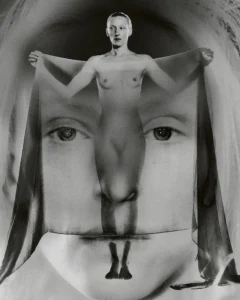


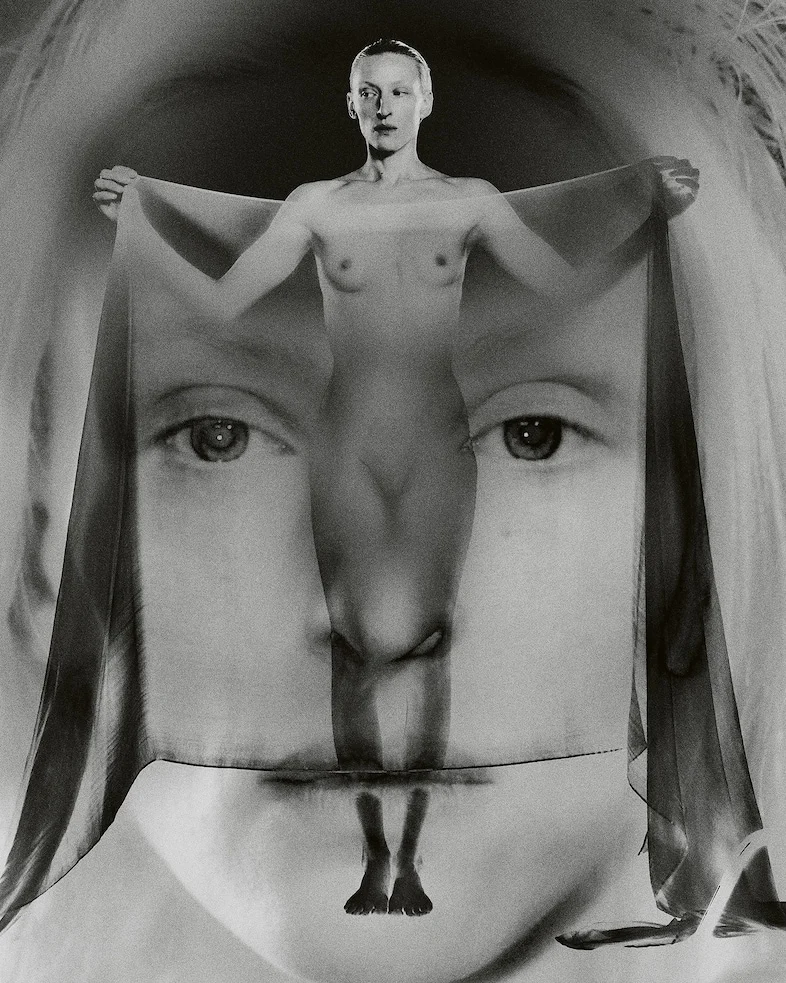
Renowned fashion and portrait photographer Elizaveta Porodina has released her highly anticipated new monograph, Found Dreams, published by Prestel Publishing. The hardcover volume compiles two decades of the artist’s most transcendental and psychological imagery, bringing together editorial commissions, personal projects, and archival works that toe the line between high-fashion glamour and surrealist nightmare. Featuring a foreword by global pop icon Ariana Grande and edited in collaboration with Nadine Barth, the release marks a significant milestone in Porodina’s career, synthesizing a visual language that has redefined modern portraiture for high-end publications and international luxury houses.
From Moscow Roots to Munich Art Spaces: A Chronological Evolution of Porodina’s Vision
The artistic identity of Elizaveta Porodina is inextricably linked to a nomadic and intellectually rigorous upbringing. Born in Moscow, Russia, Porodina relocated with her family to Munich, Germany, at the age of twelve. The cultural transition sparked an early, profound engagement with the visual arts, steering her toward an analytical understanding of the human psyche.
In the mid-2000s, Porodina formally trained in psychology, an academic pursuit that would ultimately become the foundational framework of her photographic career. Rather than remaining in clinical or theoretical psychology, however, she pivoted toward the camera lens as a primary medium for emotional exploration. By the early 2010s, her distinct aesthetic—characterized by saturated palettes, theatrical lighting, and emotional intensity—began attracting the attention of European style publications.
Over the subsequent decade, Porodina’s career accelerated exponentially, transforming her into one of the most sought-after photographers in the global fashion industry. Her commercial and editorial portfolio expanded to include major magazine covers and campaigns for luxury fashion houses, while her subject list grew to encompass some of the most recognizable cultural figures of the 21st century, including Zendaya, Paul Mescal, Brad Pitt, and Ariana Grande. Despite the commercial demands of the luxury fashion market, Porodina has consistently maintained a rigorous conceptual approach, treating every assignment as an opportunity to probe complex psychological states.
The Anatomy of a Dreamscape: Core Pillars and Surrealist Influences
Porodina’s photographic style is instantly recognizable within the contemporary visual landscape, driven by what she describes as five consistent conceptual pillars: beauty, extravagance, eccentricity, softness, and an underlying, deliberate sense of horror. This duality is rooted in a recurring childhood dream. As a young girl in Moscow, Porodina frequently visited a glittering violet hillside in her sleep. Upon climbing the elevation, she encountered a hidden realm populated by mutated beings, oddly shaped animals, and figures with intense purple eyes.
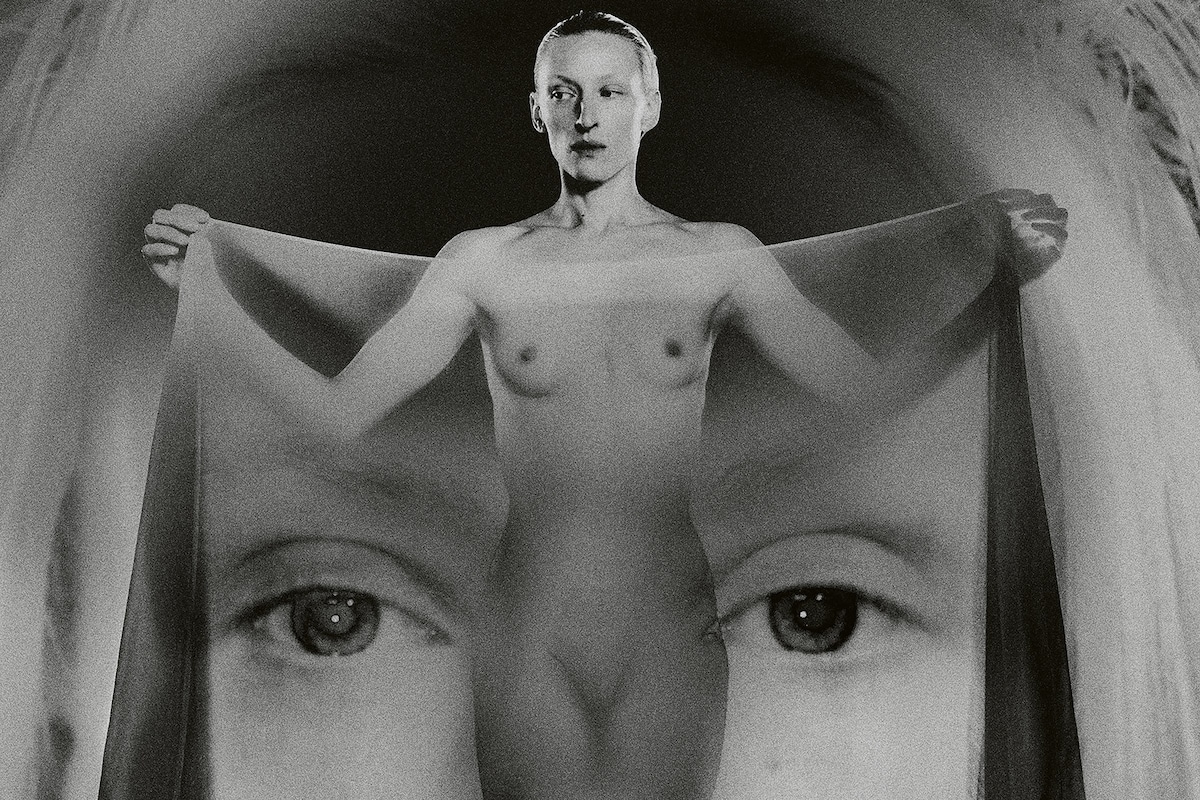
“It had horrifying aspects, but strangely, it also felt like home,” Porodina reflects. “Almost like somewhere I had lived before.”
This dichotomy of comfort and terror informs her contemporary output, which heavily channels the ethos of early-to-mid-20th-century female surrealists. Porodina frequently cites artists such as Méret Oppenheim, Leonora Carrington, Dora Maar, and Remedios Varo as pivotal influences. She notes a specific fascination with their artistic capability to make stable realities suddenly destabilize, a technique she translates into photographic compositions through experimental prism work, dramatic color gels, and emotive character direction.
Anatomy of Found Dreams: Structure and Editorial Selections
Found Dreams spans over 200 pages of curated imagery, representing a selective retrospective of Porodina’s most psychologically resonant works. The volume does not strictly separate commercial assignments from personal art, reflecting the photographer’s holistic philosophy that creative investment remains absolute regardless of commission status.
Among the standout inclusions in the monograph is a celebrated 2025 collaboration with Dutch spatial designer Boris Acket titled MAGGIE, featuring model Margaret Joy Maurer under the banner of "The Threshold Dreams." Furthermore, the book highlights Porodina’s macro-photography work for Atmos magazine, which involved photographing insects such as orchid mantises, millipedes, and dragonflies. This detour into macro-nature photography provided a profound shift in her artistic practice, with Porodina noting that observing the distinct body language and micro-behaviors of insects offered unexpected emotional resonance—culminating in an orchid mantis portrait featuring on the book’s back cover.
The inclusion of Ariana Grande as the author of the foreword underscores the crossover appeal of Porodina’s work between high art and mainstream pop culture. According to Porodina, the collaboration was born out of shared creative discipline. Observing Grande’s artistic evolution, workload, and personal kindness provided a reciprocal source of inspiration, cementing a creative partnership that made the pop star a natural choice to contextualize the monograph’s themes.
Historical Inspirations and Future Creative Ambitions
In discussions surrounding the release of Found Dreams, Porodina has frequently pointed to historical photography as a barometer for her own conceptual ambitions. When asked about historical prints she would like to own, she highlights Josef Koudelka’s iconic 1968 photograph captured in Prague during the Soviet-led invasion, featuring a wristwatch held in the foreground against an empty city street. Porodina credits the image with reinforcing her fascination with how photography manipulates and presents time—turning an abstract philosophical concept into a physical, visible presence within the frame.
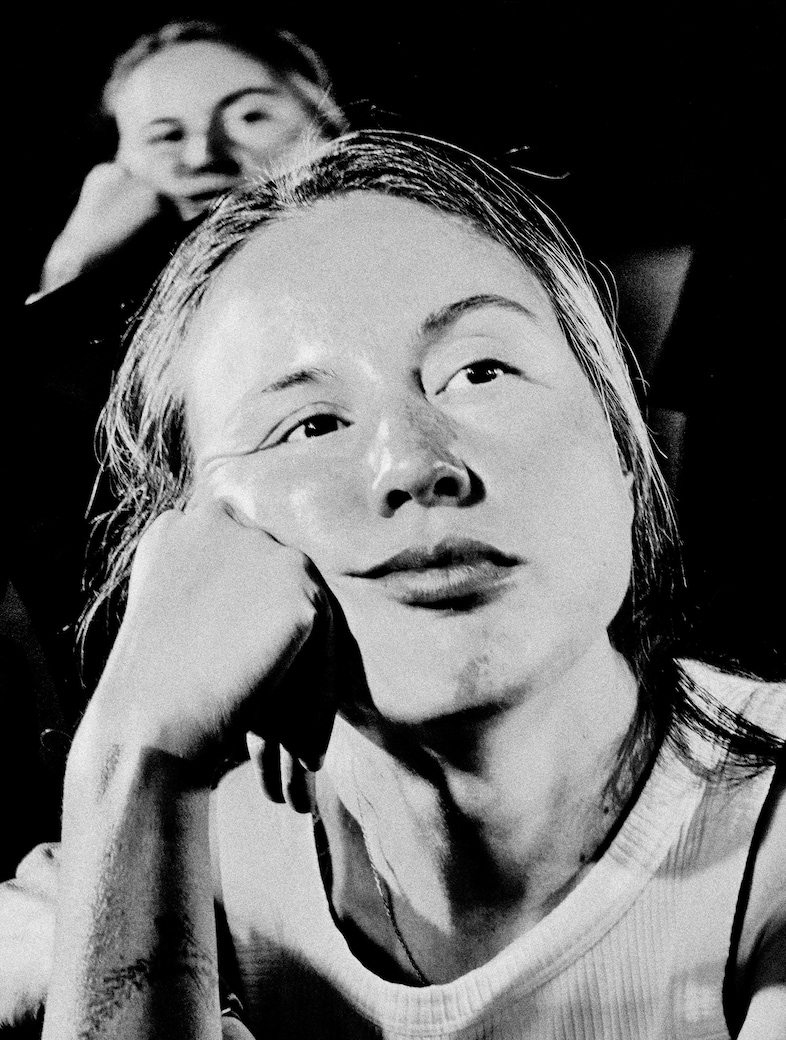
Looking forward, Porodina has expressed a desire to continue collaborating with performers who embrace risk and metamorphosis. At the top of her wish list of unphotographed subjects is actress Emma Stone. Porodina envisions a creative environment built on mutual experimentation, noting that encounters with subjects willing to challenge conventional boundaries are essential for pushing her artistic practice into uncharted territories.
Industry Implications and the Role of the Monograph in Modern Fashion Photography
The publication of Found Dreams arrives at a critical juncture for fashion photography. In an era dominated by instantaneous digital consumption, algorithmic feeds, and rapid trend cycles, the physical monograph serves as a counter-movement, offering a permanent, tactile archive for works that might otherwise be ephemeral digital content.
Industry analysts and art critics note that photographers of Porodina’s caliber are increasingly utilizing books and gallery exhibitions to bridge the gap between commercial fashion media and fine art institutions. By categorizing fashion editorials alongside psychological self-portraits and macro-nature studies, Found Dreams asserts that commercial image-making can function as a legitimate vehicle for surrealist expression and existential inquiry.
Furthermore, the book’s release underscores the evolving relationship between luxury fashion houses and high-concept auteurs. As brands increasingly seek out distinctive, highly stylized visual identities to stand out in saturated global markets, artists who possess a strong, recognizable authorial voice—rooted in personal mythology rather than seasonal trends—are commanding unprecedented influence over the cultural zeitgeist.
Elizaveta Porodina: Found Dreams, edited by Nadine Barth and Elizaveta Porodina, is available worldwide through Prestel Publishing, offering both long-time admirers and new audiences an exhaustive look into a singular creative psyche that continues to challenge the boundaries of contemporary visual storytelling.