






Thick hair has long occupied a paradoxical space in men’s grooming, frequently described by barbers and relatives alike as an enviable genetic blessing while simultaneously presenting persistent daily management challenges. While a dense mane traditionally signals a lower statistical probability of hereditary hair loss, it introduces a distinct set of structural and environmental complications. Men with thick locks are routinely forced to navigate issues of excessive volume, high humidity response, and stubborn resistance to traditional styling agents. Industry professionals remain divided on whether high-density hair expands or restricts a client’s stylistic repertoire, yet a singular consensus prevails across top-tier salons: managing thick hair successfully relies entirely upon selecting the correct cut and implementing a tailored maintenance regimen.

Understanding the Dynamics of Thick Hair
Thick hair rarely manifests in a uniform manner. According to TJ Hunt of the prominent London-based barbershop Ruffians, high-density hair appears in multiple distinct textures, ranging from poker-straight and unyielding to heavily wavy and coarse. This diversity requires a customized approach rather than a generalized styling strategy.
From an anatomical perspective, thick hair offers notable structural advantages. Individuals blessed with high-density hair typically achieve fuller, more voluminous quiffs and pompadours. Furthermore, their hair holds beachy, textured aesthetics more effectively and responds significantly better to skin fades than thinning hair, as the underlying density prevents the scalp from appearing overly exposed.
However, these benefits are offset by considerable operational hurdles. Dexter Johnson, a leading stylist at Toni & Guy, highlights the operational difficulties of manipulating dense hair shafts. Unlike fine hair, which can be easily volumized and molded using lightweight building products, thick hair resists manipulation and proves notoriously difficult to hold in place. Furthermore, reducing the overall bulk of the hair through specialized cutting techniques requires advanced barbering expertise to avoid awkward shelf-lines or uneven weight distribution.
Short Thick Hair: Precision and Weight Reduction
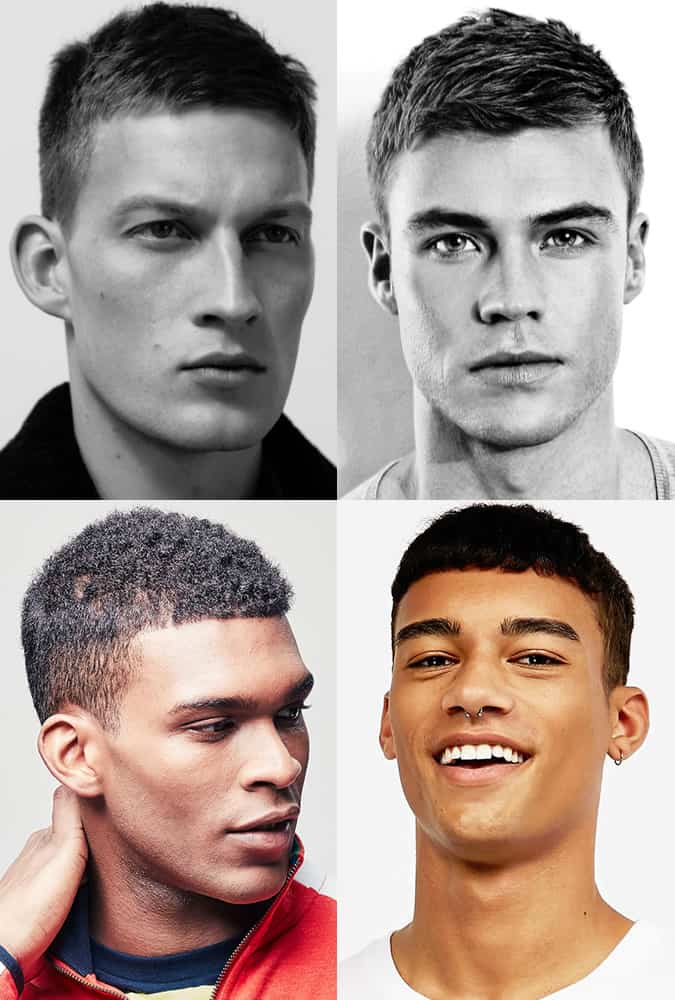
Managing short, thick hair requires minimizing unwanted volume while retaining clean lines and manageable textures. Barbers often lean toward precision crops and tight fades to control the natural heft of the hair.

The Short Crop
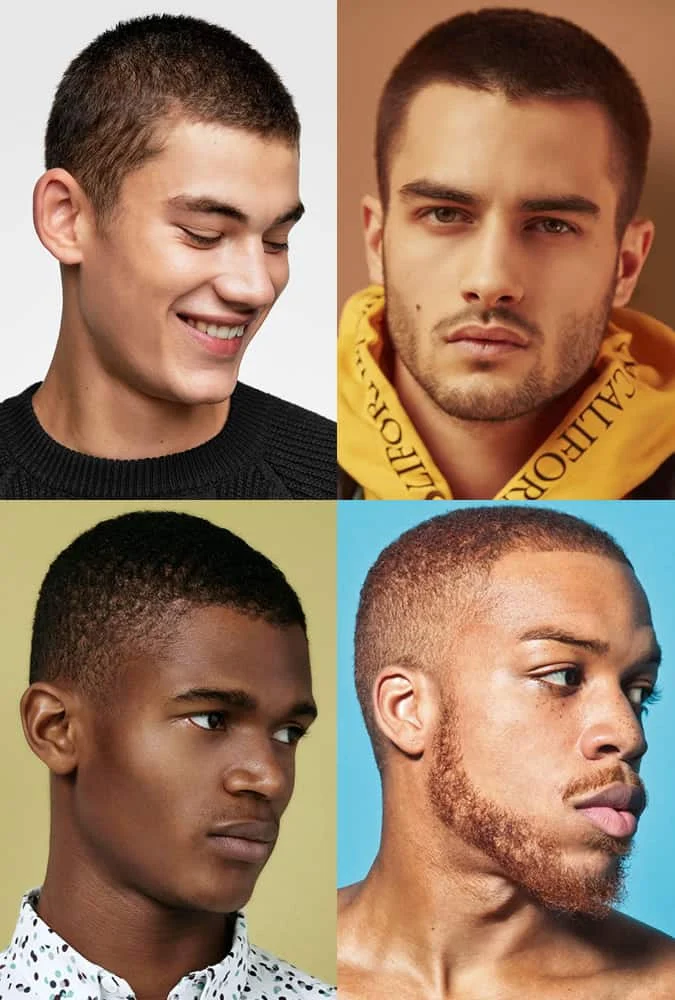
For men seeking a low-maintenance routine, the short crop serves as an ideal foundation. Johnson notes that applying heavy styling products to short, dense hair frequently creates an undesirable, matte-like clumping effect. Pairing a textured crop with a clean fade effectively eliminates excess weight and volume from the crown. This modern iteration of the classic French crop allows for a wash-and-go lifestyle, requiring minimal daily intervention while maintaining a sharp, structured silhouette.
The Choppy Crop
For those desiring a more dynamic texture, the choppy crop offers an effective alternative. Charlie Cullen of London’s Joe & Co. recommends pairing clipper-tight backs and sides with an ascending fade. The top is scissored at irregular lengths to diffuse density, while the fringe is kept short to ensure structural longevity. Maintaining this look involves applying sea salt spray to damp hair, rough-drying for an intentionally relaxed finish, and sealing the style with a lightweight matte product for firm hold.
The Connoisseur’s Buzz Cut
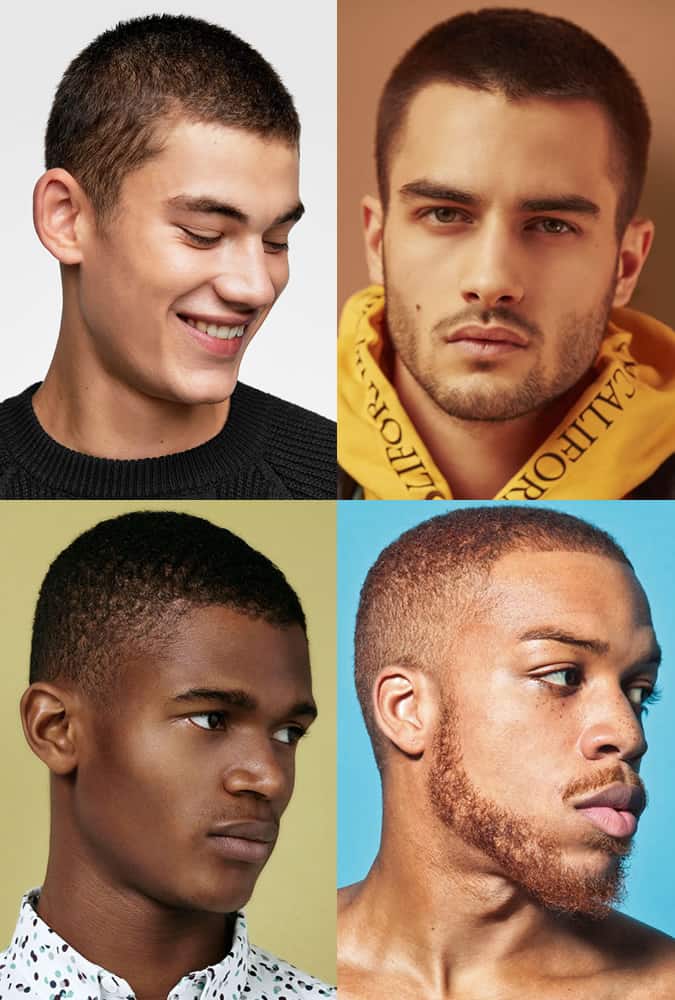
When summer temperatures rise, dense hair can quickly become unmanageable. Hunt advocates for a full clipper cut as a reliable thermal relief strategy. Utilizing a grade 3 or 4 on top combined with an ultra-sharp skin fade on the back and sides provides a balanced, architectural aesthetic. While this style demands bi-weekly maintenance visits to the barber to preserve its crisp lines, it eliminates daily styling requirements entirely.
Mid-Length Thick Hair: Balance and Movement
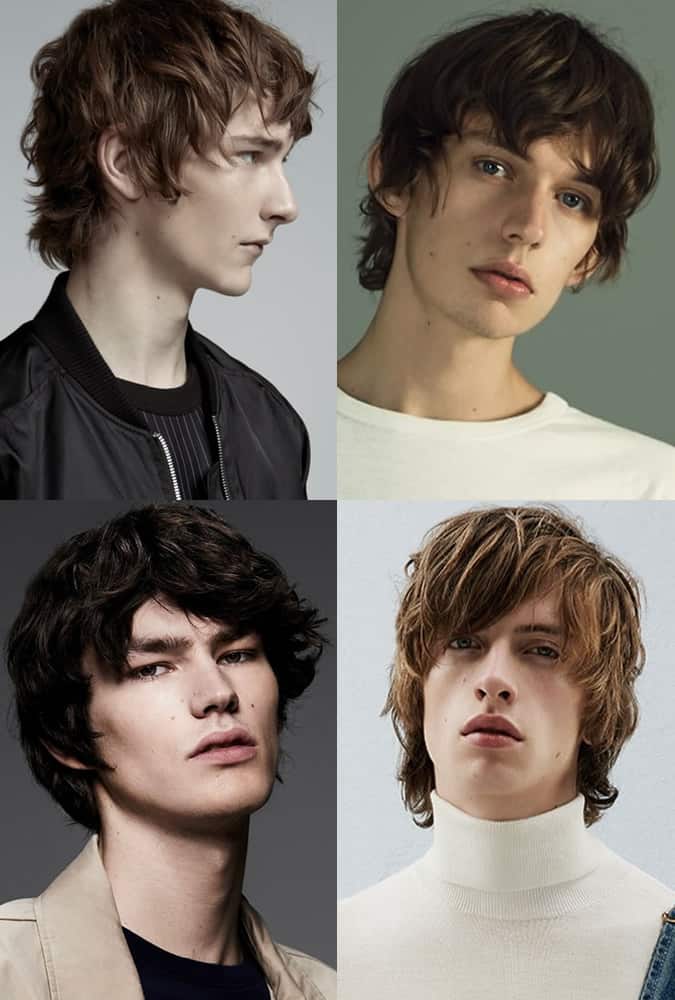
Medium-length thick hair requires structural layering to distribute weight evenly and prevent the dreaded "mushroom head" effect, where hair expands outward rather than falling naturally.
The Leebo
Originating from Toni & Guy’s Legacy collection, the Leebo caters specifically to medium-length requirements. The cut minimizes width along the temporal ridges while maximizing volume at the crown. Clients can request shorter layers for a retro 1970s or 1980s aesthetic, or keep lengths moderate for a contemporary finish. A light leave-in conditioner applied post-wash helps control any latent frizz.
The Classic Loose Sweep Back
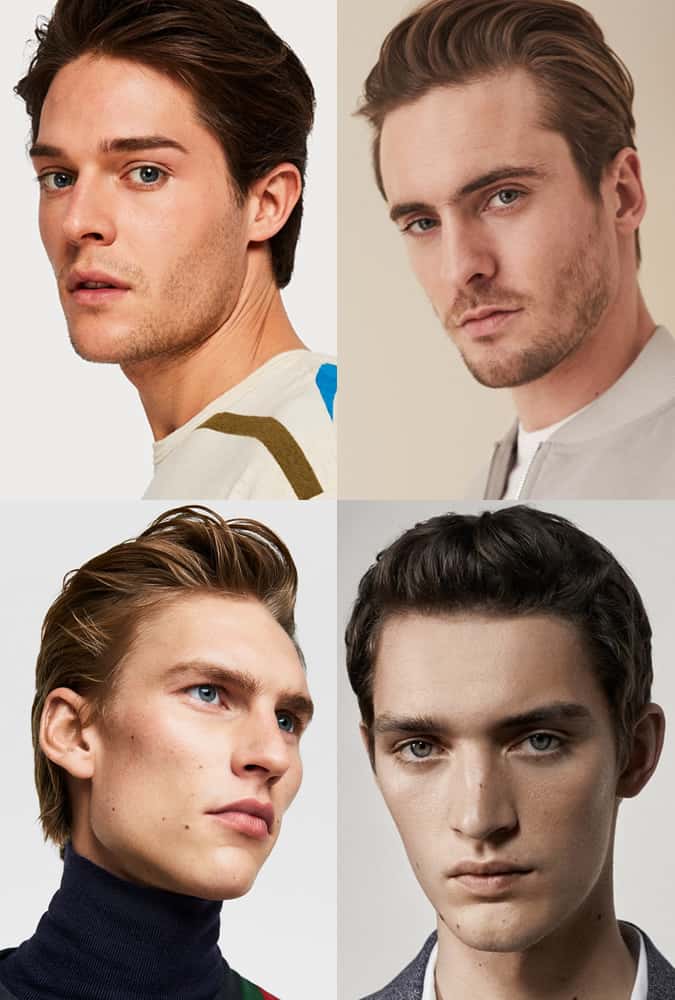
Achieving an effortless sweep-back on thick hair requires scissors rather than clippers for the foundational shaping. Graduated sides complement a heavier top section, allowing the hair to fall backward naturally without relying on a rigid part. Blow-drying damp hair treated with a light hair balm or styling gel provides the necessary memory foundation, finished with a touch of styling paste once dry.
The Undercut Quiff
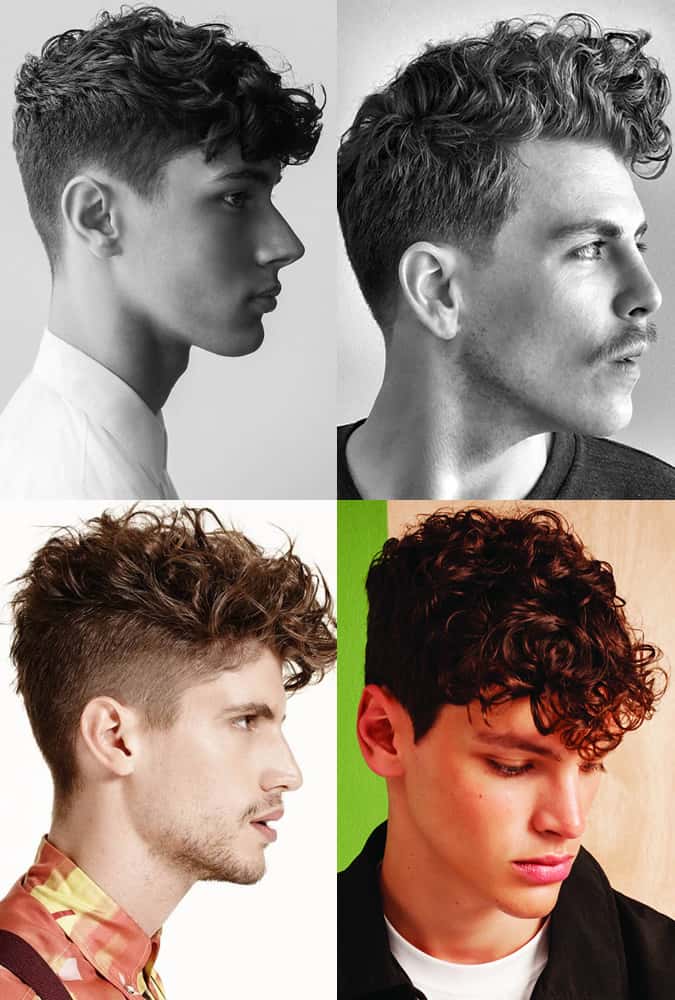
By disconnecting the top length from closely clipped sides, the undercut quiff leverages natural volume to create a striking profile. This style relies heavily on thermal tools; drying the hair with a round brush while applying styling paste establishes lift at the fringe. Finishing the look with a matte clay delivers contemporary texture, whereas a strong-hold pompadour yields a high-gloss, formal definition.
Long Thick Hair: Weight Reduction Without Length Loss
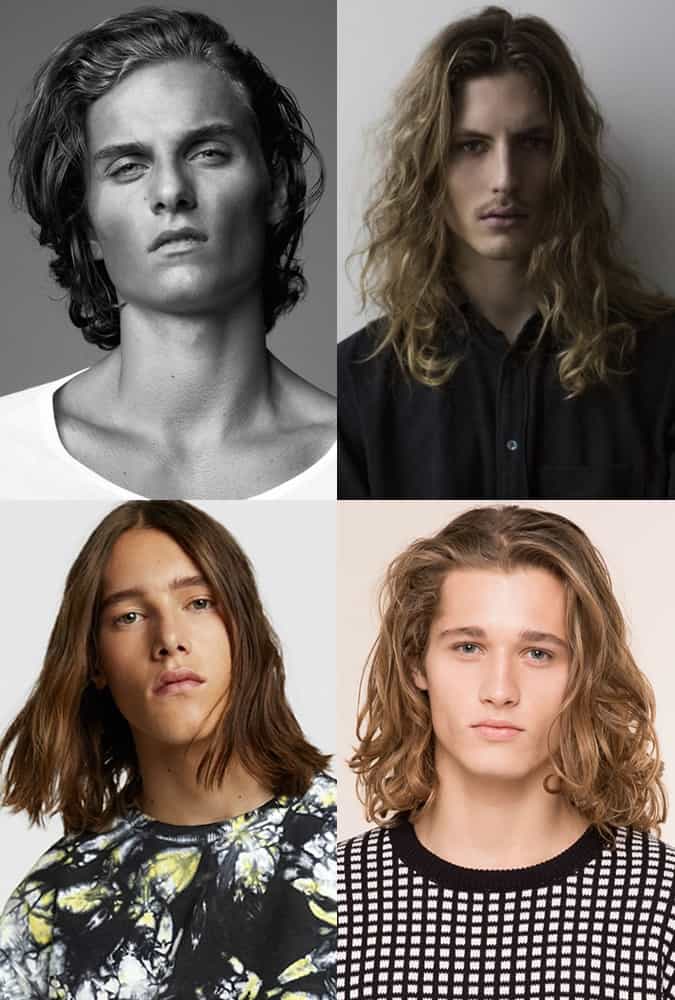
Growing thick hair out past the shoulders introduces unique gravitational and volumetric challenges. The primary objective shifts from removing length to strategically thinning out internal bulk.

Messy Layers
Johnson advises utilizing zigzag sectioning techniques to internalize layering. Unlike a traditional undercut—which removes both length and weight from the perimeter—internal layering preserves overall length while strategically reducing density at the back and sides. Regular conditioning paired with a lightweight styling cream or sea salt spray maintains definition without weighing the hair down.
The Surfer Aesthetic
Embracing a rock-and-roll silhouette involves growing the hair past the shoulders using razor-cut layering to introduce a weathered, beach-ready texture. Maintenance requires routine trim appointments every few weeks to prevent split ends, alongside salt spray applications to encourage natural wave formation. Stylists frequently advise reducing wash frequency to allow natural sebum production to condition the coarse strands organically.

The Long Sweep and Tuck
When high-density hair resists falling across the face, sweeping it back and tucking it behind the ears offers a refined alternative. Cullen emphasizes that while light layering is essential to control volume, excessively short internal layers must be avoided, as they can inadvertently cause the hair to puff outward. Applying a volumizing spray to towel-dried hair and allowing it to air-dry preserves a natural, tactile finish.
Managing Thick Curly Hair
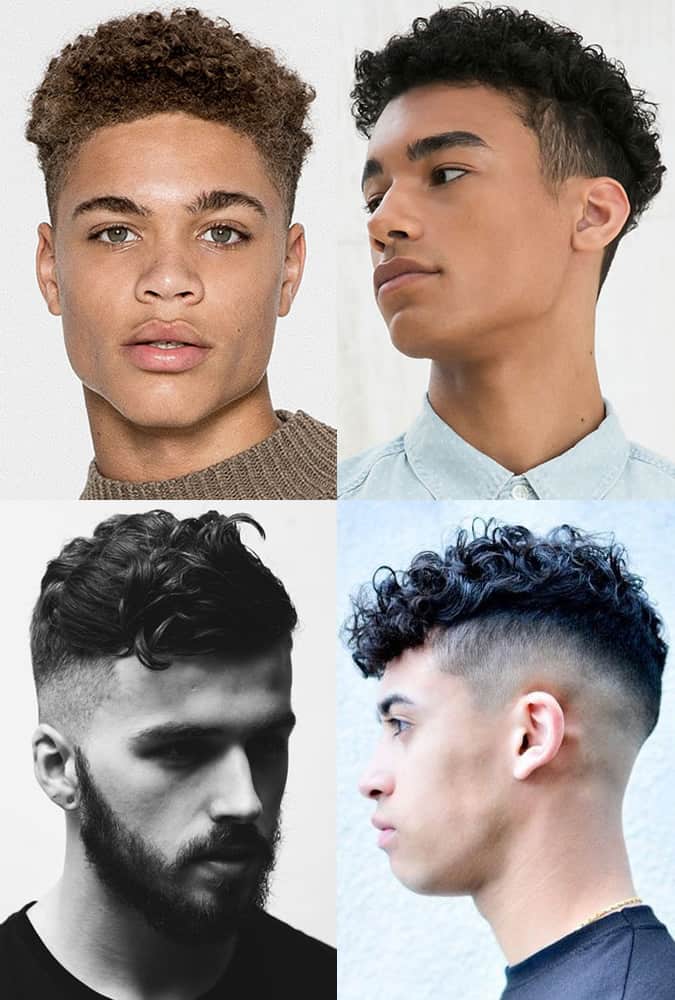
Thick curls present a distinct intersection of volume and texture, requiring specific geometry to prevent unruly expansion.
Long and Curly
Allowing thick curls to extend downward naturally utilizes gravity to elongate the curl pattern. Incorporating a subtle undercut around the nape of the neck reduces bulk where the hairline meets the collar. Minimal product intervention is required; consistent application of leave-in conditioners keeps the curls hydrated and defined.
The High Skin Fade
The high skin fade initiates its transition around the temples, establishing a sharp contrast against longer, voluminous curls maintained at the crown. Because high-contrast fades can occasionally irritate sensitive skin, incorporating a soothing scalp tonic post-cut is recommended alongside dedicated anti-frizz serums.

The Taper Fade
Focusing strictly on the sideburns and nape, the taper fade cleans up the perimeter while allowing natural curl patterns to dominate the upper head. Pairing this with a mid-length choppy top optimizes the hair’s natural bounce while keeping facial zones unobstructed. Specialized curl-definition products ensure the individual ringlocks harmonize rather than frizzing independently.
Essential Styling Products for Thick Hair
Selecting the appropriate grooming product is critical for maintaining thick hair. Industry professionals emphasize that dense hair demands specific formulations capable of penetrating coarse cuticles.

Aesop Violet Leaf Hair Balm
Ideal for longer, untamed styles, this botanical balm imparts a healthy sheen and tames flyaways without introducing the heavy grease or sticky residue common in lesser formulations.
Uppercut Deluxe Matte Clay
A wax-based medium designed for shorter, textured cuts, this clay delivers a dry, reworkable finish capable of withstanding intense physical activity and high-humidity environments.
Aveda Smooth Infusion Styling Crème
Engineered specifically to lock in hydration and combat ambient moisture, this nourishing cream softens coarse textures and prevents frizz in shorter, layered styles.
Men-ü Muscle Fibre Paste
Utilizing microfibre technology, this high-hold paste binds individual hair strands to create a flexible, long-lasting structure suited for dynamic, textured crops.
Kevin Murphy Hair Resort Spray
A beach-texturizing spray that adds gritty volume when activated with a blow-dryer, giving coarse hair a pliable, lived-in feel without stiffness.
Paul Mitchell The Conditioner Original Leave-In
A staple for managing unruly, coarse, or extended lengths, this leave-in treatment softens the hair shaft, drastically improving malleability and simplifying the daily styling process for men managing high-density manes.