







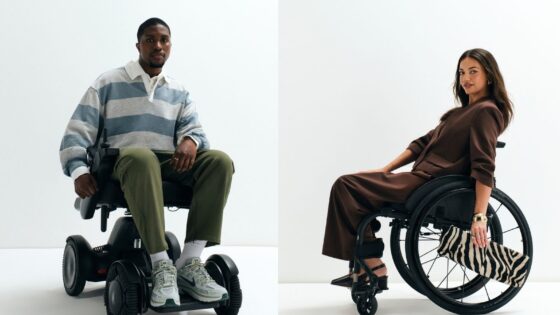
The global fashion retailer Asos has officially entered the adaptive clothing market with the launch of its inaugural 51-piece collection, a significant strategic pivot that marks the brand’s first concerted effort to cater to consumers with disabilities. Spanning across womenswear, menswear, and the retailer’s Curve division, the collection represents a departure from traditional fashion design, incorporating functional features such as magnetic closures, velcro fastenings, and modified silhouettes designed to accommodate prosthetic limbs, wheelchairs, and other accessibility needs. This development, confirmed by the company on September 28, 2026, reflects a growing industry recognition of the "purple pound"—the collective spending power of disabled households, which is estimated to be worth billions of pounds annually in the UK alone.
The Evolution of Inclusive Design
Adaptive fashion refers to clothing, footwear, and accessories designed to be easily worn by people with disabilities or those who require assistance with dressing. For years, this niche was largely relegated to specialized medical supply retailers, often characterized by a clinical aesthetic that lacked the trend-led appeal of high-street fashion.
Asos’s entry into this space is not an isolated incident but part of a broader, decade-long shift in the retail landscape. In the early 2010s, discussions regarding inclusive design were largely confined to academic circles and small-scale startup ventures. However, by the mid-2020s, major retail conglomerates began to acknowledge that inclusive design is not merely a philanthropic gesture but a sound business strategy. By incorporating accessibility features into standard product lines, Asos is positioning itself to capture a demographic that has historically been underserved and alienated by the "one-size-fits-all" approach of fast fashion.
Chronology of Inclusive Retail Movements
The movement toward mainstreaming adaptive clothing has been marked by several key milestones that set the stage for the Asos launch:
- 2016-2018: The Early Adopters: Major brands like Tommy Hilfiger and Target (US) launched their first adaptive collections. These early efforts focused on simplified closures for children and adults, proving that functional clothing could retain the aesthetic identity of a mainstream brand.
- 2020-2022: Pandemic-Driven Awareness: The COVID-19 pandemic accelerated conversations about health, accessibility, and the importance of garment functionality during periods of limited mobility or caregiver assistance.
- 2023-2025: The Rise of Universal Design: Retailers began shifting from "specialized" lines to "universal" design principles, where accessibility features are integrated into core collections rather than segregated into separate, often hard-to-find categories.
- September 2026: The Asos Milestone: With the launch of its 51-piece adaptive range, Asos signals its commitment to scaling inclusive fashion on a global e-commerce level, leveraging its massive logistics network to bring adaptive clothing to a mass-market audience.
Market Analysis and the Economic Case for Accessibility
The economic implications of this launch are substantial. According to data from the Purple organisation, the spending power of disabled households in the UK is approximately £274 billion per year. Despite this, a significant portion of these consumers report difficulty in finding clothing that is both functional and stylish.
For a retailer like Asos, which relies on high-volume, trend-responsive sales, the decision to produce an adaptive range is a calculated response to shifting consumer expectations. Analysts suggest that by offering adaptive options, the retailer reduces the "barrier to entry" for a significant segment of the population. Furthermore, inclusive design often yields benefits for non-disabled consumers as well; for instance, magnetic fastenings are often preferred by elderly consumers or individuals recovering from temporary injuries, thereby expanding the potential market beyond the initial target demographic.
Technical Specifications and Design Integration
The 51-piece range features several design innovations that distinguish it from standard apparel. These include:
- Magnetic Fastenings: Replacing traditional buttons and zippers, magnetic closures allow for easier dressing, particularly for individuals with limited manual dexterity or conditions such as arthritis.
- Adjustable Hems and Cuffs: Garments have been engineered to allow for adjustments in length and width, accommodating prosthetic devices and ensuring a comfortable fit for seated users.
- Simplified Access Points: Strategically placed openings allow for easier dressing for individuals who may have limited range of motion in their upper or lower extremities.
- Sensory-Friendly Textiles: The use of materials that prioritize comfort and skin sensitivity, reducing friction and irritation for those with sensory processing differences.
These modifications have been integrated without compromising the visual identity of the Asos brand. By maintaining the same aesthetic as their standard collections, the retailer is working to remove the stigma often associated with adaptive wear.
Industry Reactions and Corporate Responsibility
While official statements from advocacy groups are pending formal review of the full range, early industry sentiment is largely positive. Retail analysts have long argued that the fashion industry has been slow to address the needs of the 15% of the global population that lives with some form of disability. By bringing adaptive fashion to the "digital high street," Asos is setting a precedent for other fast-fashion competitors.
From a corporate social responsibility (CSR) perspective, this launch aligns with the increasing emphasis on Diversity, Equity, and Inclusion (DEI) metrics. Investors and stakeholders are increasingly scrutinizing how companies address accessibility within their supply chains and product portfolios. Asos’s move is viewed as a proactive step toward closing the "accessibility gap" that has persisted in the retail sector.
Future Implications: The Path Ahead
The launch of this adaptive range serves as a pilot program for the retailer. Industry experts anticipate that the success of these 51 pieces will determine the scale and frequency of future adaptive releases. If the range performs well, it is highly probable that Asos will integrate these features into their broader seasonal collections, moving toward a "design-for-all" philosophy.
However, challenges remain. The production of adaptive clothing involves higher manufacturing complexity, including specialized sourcing for magnetic fasteners and additional labor hours for prototype testing. To ensure long-term viability, Asos must maintain competitive price points while managing these increased costs. Furthermore, the retailer will need to engage in continuous feedback loops with the disabled community to ensure that the garments meet real-world needs rather than merely theoretical ones.
The launch of the Asos adaptive range is a significant step forward for the democratization of fashion. It underscores the reality that for millions of people, clothing is not just a form of self-expression, but a fundamental tool for independence. By acknowledging this, Asos is not only expanding its customer base but also participating in a necessary evolution of the fashion industry—one that prioritizes human functionality alongside style. As the retail sector watches closely, the success of this range may well dictate the industry standard for inclusive design for years to come.