








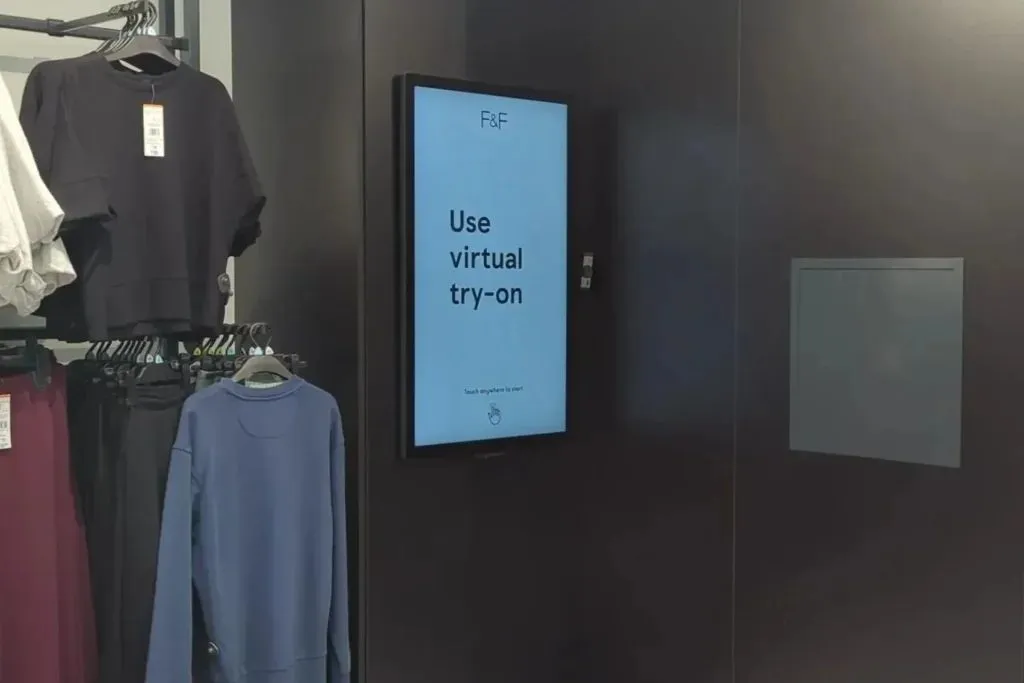
Tesco’s clothing brand F&F has officially launched a pioneering trial of virtual try-on technology at its Sandhurst Extra location in Berkshire, marking a significant shift in how mass-market grocery retailers approach the intersection of fashion and digital innovation. The pilot, which encompasses 1,500 individual product lines, allows shoppers to utilize augmented reality (AR) interfaces to visualize clothing items on digital avatars or via real-time overlays. This move represents a strategic pivot for the supermarket giant as it seeks to minimize the high logistical and environmental costs associated with apparel returns while simultaneously enhancing the in-store customer experience.
The Evolution of F&F’s Digital Strategy
F&F has long occupied a unique position within the UK retail landscape, bridging the gap between high-street fashion and the convenience of grocery shopping. However, the retail sector has faced mounting pressure to address the "returns crisis," where consumers purchase multiple sizes to account for fit discrepancies, only to return the majority of items. By integrating virtual try-on technology, F&F is aiming to provide customers with higher confidence in their sizing and style choices before they reach the checkout counter.
The Sandhurst trial is not an isolated experiment but the culmination of a broader digital transformation roadmap that Tesco has been developing over the past 36 months. As e-commerce continues to stabilize post-pandemic, retailers have recognized that the "phygital" experience—the blending of physical retail space with digital utility—is essential for maintaining foot traffic. By embedding this technology in a high-volume Extra store, Tesco is testing the scalability of AR tools in a high-footfall environment, measuring everything from user engagement duration to the impact on conversion rates.
Chronology of Digital Integration in Fashion Retail
To understand the significance of this move, one must view it within the wider context of fashion retail technological advancements. The trajectory of virtual fitting tools has accelerated rapidly since 2022:
- 2022-2023: Early adoption of basic "size-recommendation" algorithms by mid-market retailers, primarily focusing on historical data and user-provided measurements to suggest sizes.
- 2024: Rise of AI-driven body scanning apps that allowed users to scan their figures at home using smartphone LiDAR sensors.
- 2025: Mainstream adoption of AR-based "draping" technology, where garments appear to hang on a digital representation of the user.
- September 2026: Tesco launches the F&F in-store pilot in Sandhurst, bringing the technology into the physical retail environment, specifically targeting the convenience-oriented grocery shopper.
Supporting Data: The Impact of Virtual Try-On
The retail industry has long grappled with the economics of apparel sales. According to data from the British Retail Consortium (BRC), clothing return rates for online orders hover between 20% and 30%, significantly higher than the 5% to 8% seen in brick-and-mortar settings. The financial burden of processing these returns—including inspection, cleaning, repackaging, and re-stocking—erodes profit margins by an estimated 15% to 20% per returned garment.
By implementing virtual try-on, Tesco is positioning itself to disrupt this cycle. Preliminary data from similar pilots conducted in the luxury sector suggest that virtual try-on technology can reduce return rates by as much as 12% to 15% by providing a more accurate visual representation of fit and color. Furthermore, research indicates that shoppers are 40% more likely to purchase an item if they have interacted with an AR-enabled product preview. For F&F, which operates on a high-volume, low-margin model, even a marginal reduction in returns represents a substantial improvement in operational efficiency and a significant decrease in the carbon footprint associated with reverse logistics.
Analyzing the Customer Experience
At the Sandhurst Extra location, the trial features interactive kiosks and smartphone-integrated mirrors. Customers can scan the barcode of an F&F garment, and the system instantly generates a 3D overlay. The software takes into account the fabric’s drape and elasticity, offering a realistic preview of how the garment will sit on different body types.
This technology is particularly vital for the supermarket fashion model, where fitting rooms are often limited or unavailable during peak shopping hours. By providing a virtual alternative, Tesco is essentially democratizing the "try before you buy" experience, ensuring that customers do not have to rely on guesswork or the inconvenience of returning to the store if an item fails to meet expectations.
Strategic Implications for the Grocery Sector
The decision to trial this technology in a grocery-based clothing department reflects a broader trend in retail: the democratization of high-end tech. While fashion houses and high-end boutiques have utilized AR for several years, Tesco’s involvement suggests that the technology has reached a price point and ease-of-use threshold that makes it viable for mass-market applications.
Industry analysts suggest that if the Sandhurst trial proves successful in terms of conversion metrics and user adoption, a phased national rollout could begin by early 2027. This would place Tesco at the forefront of the "supermarket fashion" race, potentially distancing F&F from competitors such as Sainsbury’s Tu or Asda’s George.
Furthermore, the data harvested from these trials is invaluable. Tesco, already a leader in consumer behavior analytics through its Clubcard ecosystem, will be able to map sizing preferences against demographic data with unprecedented accuracy. This, in turn, will allow F&F to optimize its inventory levels, stocking more of the sizes that actually fit the local population in specific store catchments, thereby reducing waste and overstock issues.
Addressing Potential Challenges
Despite the clear benefits, the implementation of such technology is not without challenges. Privacy concerns remain at the forefront of consumer consciousness; Tesco has emphasized that the trial complies with strict data protection regulations, with no images or biometric data stored beyond the duration of the immediate session.
Technical reliability is another hurdle. For the system to be effective, the 3D rendering must be near-instantaneous. Any latency or "glitchiness" in the rendering could lead to customer frustration, potentially harming brand perception rather than helping it. Additionally, the physical space requirements for in-store kiosks must be balanced against the store’s primary function as a food retailer. Managing the floor space effectively to accommodate digital infrastructure without disrupting the shopping flow is a delicate operational challenge.
Broader Market Impact and Future Outlook
The F&F pilot is likely to trigger a ripple effect across the retail sector. As customers become accustomed to the convenience of virtual fitting in their local supermarket, the baseline expectation for the shopping experience will shift. Competitors will be under pressure to either match this capability or risk being viewed as antiquated.
Looking ahead, the integration of generative AI could further enhance this technology. Future iterations might allow for "virtual styling," where the AI suggests matching items—such as trousers or accessories—based on the customer’s initial selection, effectively acting as an automated personal shopper.
In conclusion, the launch of F&F’s virtual try-on technology at the Sandhurst Extra store is a calculated move that serves as a bellwether for the future of retail. By prioritizing digital innovation to solve the age-old problem of sizing, Tesco is not merely experimenting with gadgets; it is fundamentally evolving its business model to meet the demands of a modern, efficiency-conscious consumer base. The coming months will be critical as the company evaluates the quantitative results of the pilot, but the initial indicators suggest that the future of supermarket fashion is increasingly defined by the screen rather than just the rack. As the technology matures, it is highly probable that virtual try-on will become a standard feature in high-street fashion, marking the end of the traditional "trial and error" approach to apparel retail.