



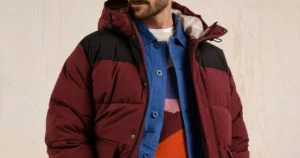

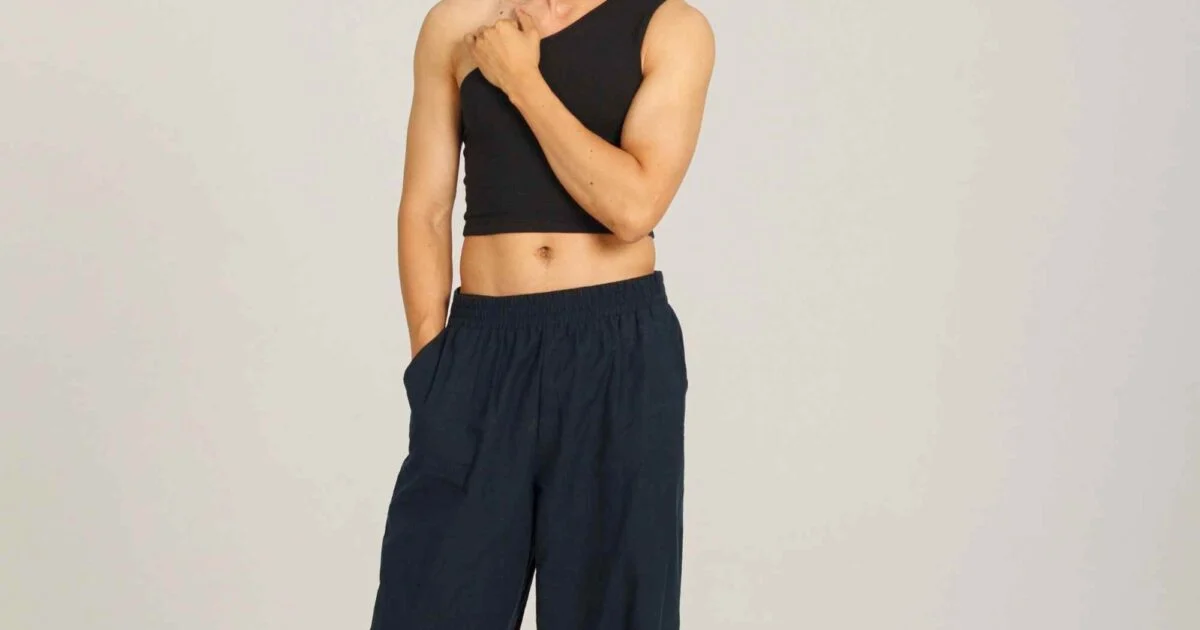
The fashion industry is undergoing a transformative shift, moving beyond traditional gender binaries to embrace inclusivity and sustainability as core tenets of modern design and production. This evolution responds to a growing societal awareness of gender diversity and the urgent need for more ethical and environmentally responsible consumption practices. While the pursuit of both gender-inclusive and sustainable clothing can present a significant challenge for consumers, a burgeoning segment of brands is successfully integrating these vital principles, offering apparel designed for every body with a conscious commitment to people and the planet. This article delves into the dynamics driving this change and spotlights a selection of highly-rated brands at the forefront of this movement.
The traditional paradigm of binary fashion, strictly segregating clothing into "men’s" and "women’s" categories, is increasingly being dismantled. In recent years, critical societal discussions surrounding the rights of transgender individuals to feel safe and respected, alongside broader acceptance of gender diversity and non-binary identities, have underscored the imperative for a more expansive approach to clothing design. As conventional gender roles continue to evolve, and an increasing number of individuals recognize and embrace identities beyond the rigid boxes of "man" and "woman," industries are beginning to adapt. For many who exist outside the gender binary, finding clothing that genuinely fosters comfort and self-expression has historically been a significant hurdle. This challenge is compounded when seeking brands that also uphold rigorous standards for sustainability, ensuring ethical treatment of workers, animal welfare, and minimal environmental impact.
Despite the fashion world’s ongoing journey to fully catch up with these contemporary demands, a dedicated selection of highly-rated fashion brands is actively creating ethical and sustainable gender-inclusive, unisex clothing for diverse body types and identities. This burgeoning sector not only addresses a critical need for self-expression but also champions a more responsible approach to fashion production and consumption.
The Intersecting Imperatives: Inclusivity and Sustainability
The connection between gender-neutral clothing and sustainable fashion is profound and synergistic. Charlie McEvoy, founder of Plant Faced Clothing, a brand committed to compassion, sustainability, and animal rights, articulates this link clearly: "My focus has always been on creating clothing that helps people express their values, particularly around compassion, sustainability, and animal rights. From the beginning, I wanted our clothing to be accessible to as many people as possible, regardless of gender." McEvoy, who identifies as non-binary/gender neutral, notes that this personal perspective naturally informed their design philosophy and their efforts to cultivate a community unified by shared values.
McEvoy further emphasizes that "gender neutral clothing and sustainability are closely connected because both encourage a more thoughtful approach to consumption. When garments are designed to be worn by anyone, they often have a broader appeal and a longer lifespan. They can be shared between partners, friends, or family members, and are less likely to become obsolete because of changing trends or gender norms." This inherent versatility and extended utility directly counter the fast fashion model, which thrives on rapid trend cycles and disposability, contributing significantly to textile waste and overconsumption.
Echoing this sentiment, Linda Simonetti, marketing director at maison blanche, a Swiss label advocating for vegan, conceptual fashion, asserts, "the idea that clothing needs to be gendered felt like an unnecessary limitation from the start. maison blanche was always about garments that fit the person wearing them, not a category they’re supposed to belong to." Simonetti also highlights the operational advantages of genderless design for sustainability: "Designing genderless means we can calculate production quantities more accurately, since pieces work for everyone instead of being split into separate lines. That means less overstock, less warehouse space, and built-in flexibility: if a piece doesn’t fit the person who ordered it, it might fit their partner. Either way, you get double the reach from a single design." This precision in production is a critical component of waste reduction and resource efficiency within the fashion supply chain.
Both McEvoy and Simonetti observe a notable shift in consumer attitudes over time, indicating that shoppers are increasingly prioritizing fit, personal style, and garment longevity above adherence to binary gender categories or fleeting trends. This evolving consumer demand provides a strong impetus for brands to innovate and expand their offerings in gender-neutral and sustainable lines.
A Brief Chronology of Gender-Inclusive Fashion’s Rise
While the current surge in gender-neutral fashion feels contemporary, its roots can be traced back through various historical periods where societal norms briefly permitted or even encouraged blurring gender lines in attire. From specific historical garments worn by both sexes to the radical shifts seen in the 1920s with flapper fashion challenging feminine ideals, and the unisex movements of the 1960s and 70s, fashion has periodically experimented with non-binary expressions. However, these earlier movements often existed within a heteronormative framework, with "unisex" often meaning women adopting masculine styles or simply practical clothing for all.
The current wave is distinct, driven by a deeper understanding and acceptance of diverse gender identities. The late 2000s and early 2010s saw the rise of independent designers specifically catering to LGBTQ+ communities, particularly those who felt underserved by mainstream fashion. This period coincided with increasing visibility and advocacy for transgender and non-binary rights, pushing these conversations into the public consciousness. By the mid-2010s, major fashion houses began to incorporate gender-fluid elements into their collections, often through runway shows that featured models of different genders wearing similar garments. The late 2010s and early 2020s marked a critical acceleration, with younger generations, particularly Gen Z, demonstrating a strong preference for clothing that transcends traditional gender boundaries and aligns with their values of inclusivity and environmental responsibility. This demographic shift, coupled with the power of social media to amplify diverse voices and styles, has solidified gender-neutral and sustainable fashion as a significant and growing market segment.
Supporting Data and Market Implications
The growth of the gender-neutral apparel market is a testament to this profound shift. Reports indicate a significant compound annual growth rate for gender-neutral clothing, with projections suggesting continued expansion in the coming years. This growth is not merely a niche trend but a reflection of broader societal changes and consumer values. A substantial percentage of consumers, especially younger demographics, now actively seek out brands that align with their ethical principles, including fair labor practices, environmental stewardship, and social inclusivity. Studies show that a majority of Gen Z consumers prefer to buy from brands that represent their values, and gender-neutrality is increasingly becoming one of these core values.
The implications for the broader fashion industry are considerable. Brands that fail to adapt risk becoming obsolete in a rapidly evolving market. Beyond catering to specific gender identities, gender-neutral design also offers practical advantages:
- Reduced Complexity: Simplifying design and production lines can lead to efficiencies.
- Broader Appeal: A single garment can appeal to a wider demographic, increasing market reach.
- Extended Product Life Cycle: As highlighted by McEvoy, garments designed without strict gendered constraints are more likely to be passed down or shared, extending their utility and reducing the frequency of new purchases.
- Reduced Waste: Simonetti’s point on more accurate production quantities directly addresses the issue of overproduction, a major contributor to textile waste.
Spotlight on Leading Sustainable and Gender-Inclusive Brands
The market is responding with innovative brands that prioritize both ethical production and inclusive design. Here, we highlight a selection of these pioneering labels, demonstrating the diverse approaches to creating fashion for every body, consciously:
-
Etiko: This Australian brand is a consistent leader in organic fair trade clothing and shoes. Etiko sets a high standard for upholding human rights within traditionally exploitative supply chains, making it a benchmark for ethical production. Their unisex hoodies, for example, ship internationally and are available in AU sizes 8-20 for clothes and UK sizes 3-13 for shoes, demonstrating a commitment to broad accessibility.
-
BEDI: A Canadian brand, BEDI crafts handmade bags, knits, and outerwear with a creative ethos centered on "wearing a better tomorrow." They champion circularity through their careful selection of lower-impact materials, including upcycled airline seat leather, recycled fish nets, vegan cactus leather, and sustainably grown cotton. Grounded in a slow fashion philosophy, their durable pieces are designed for longevity and utility, available in sizes XS-XL.
-
Opera Campi: Founded in Italy in 2017, Opera Campi produces premium quality garments from locally-sourced raw materials. The brand adopts a balanced approach to sustainability, making conscious choices across its supply chain and dedicating 4% of its profits to social causes. Their inclusively sized range spans from 3XS to 3XL.
-
SukkhaCitta: This certified B Corp brand from Indonesia specializes in timeless modern heirlooms, utilizing heritage crafts. SukkhaCitta features a gender-neutral collection with beautifully made clothes, such as their Hara vest, available in sizes XS-L.
-
Dorsu: Based in Cambodia, Dorsu focuses on creating everyday basics and key signature favorites that form the foundation of a conscious wardrobe, with their full range available in sizes XS-XL.
-
Afends: Originating from Byron Bay, Australia, Afends is a responsible brand spearheading the hemp fashion movement. Inspired by nature, streetwear, and surf culture, Afends is committed to creating sustainable clothing through innovation. They even own 100 acres of farmland, Sleepy Hollow, to grow their own hemp crops, pushing the "hemp revolution." Most of their range, including cotton-blend hoodies, is available in sizes XS-XL.
-
Kotn: A certified B Corp based in Canada, Kotn partners with local NGOs in the Nile Delta to fund quality education for children in farming communities, addressing low literacy rates. Every purchase contributes to school infrastructure, materials, and teacher salaries, alongside providing beautifully made garments in sizes XS-2XL.
-
Flare Street: This Melbourne-based brand captures the essence of 1960s and ’70s style with quality fabrics and vintage-inspired prints. Using lower-impact materials and locally sourced factory ends in limited production runs, Flare Street ensures fair compensation with a living wage in its final production stage. Sizes are available from 2XS-3XL.
-
Lâcher Prise: A US-based vegan brand, Lâcher Prise offers a versatile range of clothing, basics, and underwear. Rated "Great" for the planet, the brand utilizes lower-impact materials like organic cotton, minimizing chemical use, water consumption, and wastewater in its supply chain. Most items are available in sizes S-XL.
-
Unbelts: Founded with the dual purpose of creating comfortable, perfectly fitting stretchy belts and ensuring quality jobs throughout its supply chain, Unbelts exemplifies a commitment to both product utility and social responsibility.
-
WAWWA: This UK brand is dedicated to creating clothing that prioritizes the Earth and its inhabitants. WAWWA offers organic, fair trade, and vegan-friendly apparel with a positive social impact. They use recycled materials, lower-impact non-toxic dyes, and reuse offcuts to minimize textile waste, with a range available in sizes XS-2XL.
-
Petit Pli: An award-winning brand, Petit Pli designs clothes that grow with children, engineered for play, planet, and purpose. Blending aerospace innovation with ethical manufacturing, they aim to reshape fashion for the next generation, focusing on longevity and adaptability.
-
ALTER X Company: A US brand, ALTER X Company crafts apparel meant to inspire purpose, donating 20% of each purchase to a cause chosen by the customer at checkout. Their range is available in sizes XS-2XL.
-
Big Bud Press: Based in Los Angeles, Big Bud Press offers colorful, size-inclusive, unisex clothing designed to form the foundation of any wardrobe. While rated "It’s a Start," indicating progress, the brand is actively working towards greater transparency in water usage, hazardous chemical reduction, and code of conduct implementation. Sizes range impressively from XXS to 6XL.
-
The ANJELMS Project: An Australian brand, The ANJELMS Project is dedicated to improving the lives of its makers. It celebrates traditional techniques, producing naturally dyed and hand-loomed clothes in India using sustainable practices and limiting production to minimize waste. Most garments are available in XS-2XL.
-
Seek Collective: This US brand creates thoughtfully made items with a strong commitment to transparency, authenticity, craft, and sustainability. Seek Collective focuses on connecting art, product, consumers, process, and makers, producing items in India through partnerships with like-minded communities. Products are available in XS-L, with an extended sizing range up to 4XL.
-
non: A UK-based label, non offers raw selvedge denim jeans, jackets, and accessories designed for durability and longevity. Their jeans are available in sizes 26-36.
-
maison blanche: As previously mentioned, this Swiss label produces vegan, conceptual fashion that actively raises awareness of socio-political issues, embodying a holistic approach to ethical and inclusive design.
Broader Impact and Future Implications
The rise of gender-neutral and sustainable fashion represents more than just a passing trend; it signifies a fundamental shift in consumer values and industry responsibility. Consumers are increasingly empowered to make choices that reflect their ethical stances, using their purchasing power to support brands that prioritize inclusivity and planetary health. This collective action is pushing the fashion industry towards a more equitable and responsible future.
Challenges remain, particularly in scaling sustainable material production, ensuring transparent supply chains across the globe, and continuing to educate consumers about the true costs and benefits of ethical fashion. However, the momentum is undeniable. The integration of rigorous rating systems, such as those provided by Good On You, plays a crucial role in enabling consumers to navigate this complex market and make informed decisions. By championing brands that design for "every body" and for a better planet, the fashion industry can move closer to a paradigm where style, ethics, and inclusivity are seamlessly intertwined, fostering a culture of thoughtful consumption and authentic self-expression. This movement is not just about the clothes we wear, but about the values we embody and the future we collectively build.