




London Fashion Week has long established its reputation as the global capital of sartorial rebellion, diverging sharply from the understated, minimalist aesthetics often favored by its European counterparts. While cities like Milan and Paris frequently champion a polished, quiet luxury, London continues to trace its lineage back to the birthplace of the mini-skirt, the bumster trouser, and formidable subculture tribes ranging from punks and New Romantics to the Buffalo movement. The Spring/Summer 2027 (SS27) showcase further cemented this fearless attitude, demonstrating that the city’s creative pulse is just as electric outside the official venues as it is on the runways.
Main Facts and the Runway-to-Street Dynamic
The SS27 edition of London Fashion Week offered a striking dichotomy between official presentations and the impromptu fashion exhibitions staged by attendees on the cobblestones outside. Inside the tents and off-schedule locations, emerging and established designers alike embraced a spirit of unbridled anarchy. Avant-garde showcases by talents such as Kai Ghattaura, Chopova Lowena, and Liza Keane set a high bar for experimental design, prioritizing deconstruction, clashing textures, and provocative silhouettes.
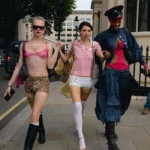
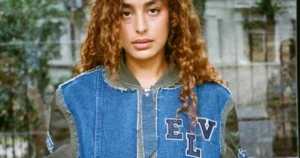
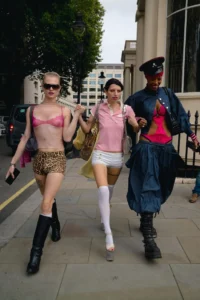
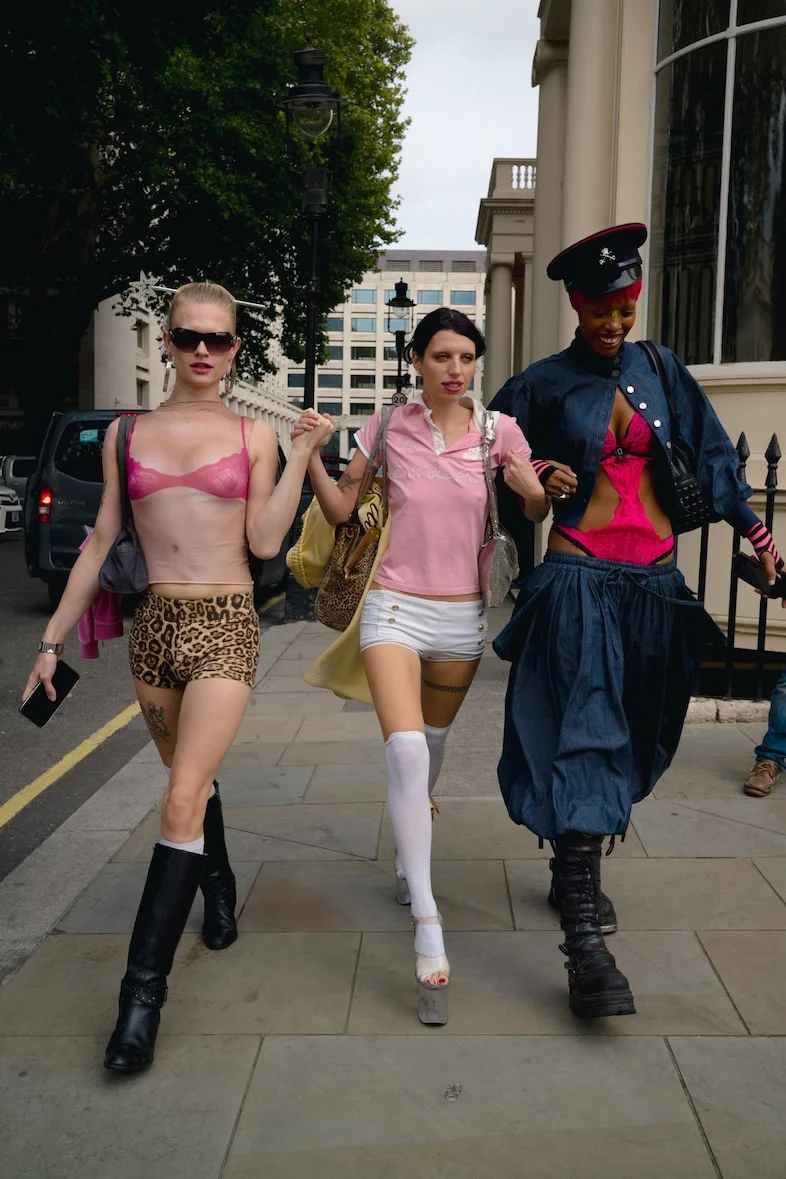
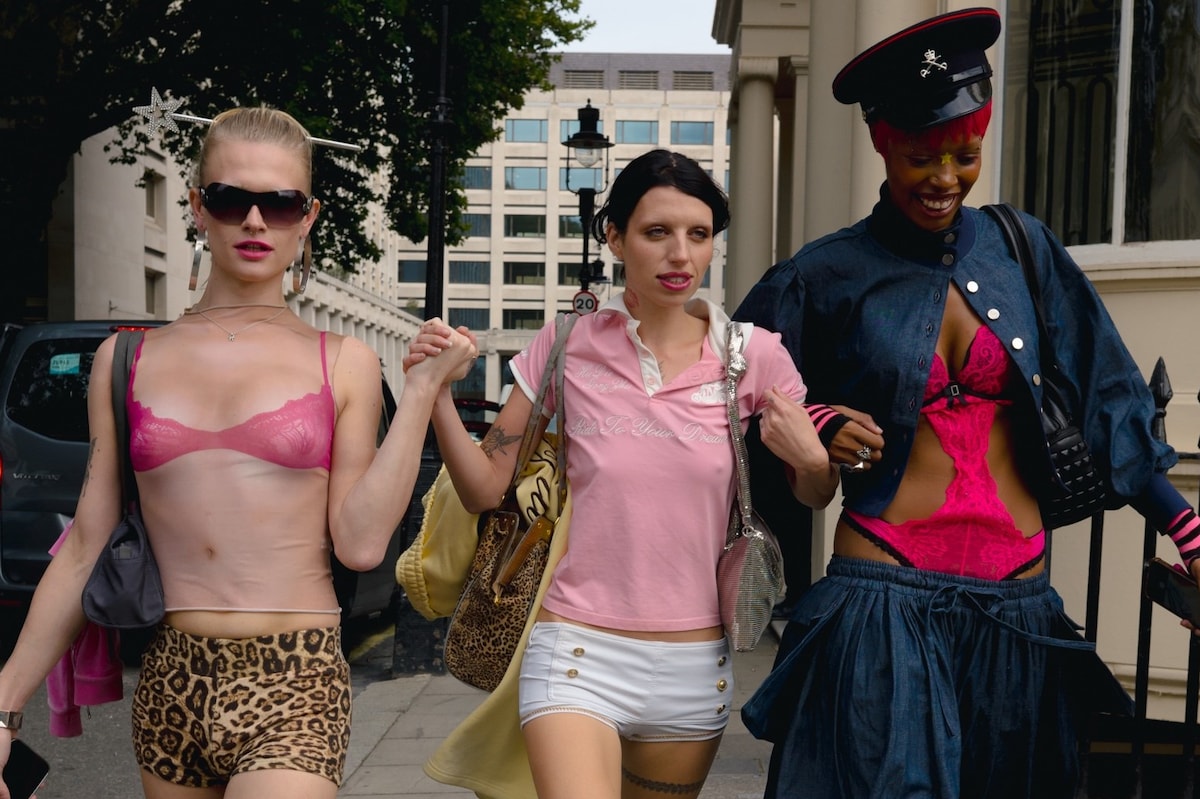
However, the front-row guests and street style spectators proved equally adept at commanding the attention of the international press. Hordes of photographers stationed outside each venue captured an eclectic feast for the eyes, validating the premise that Londoners not only understand how to construct a compelling outfit, but they also approach dressing with a distinct sense of irony and play. Rather than adhering to conventional trends, attendees utilized their wardrobes as a canvas for social commentary, pop-culture nostalgia, and niche luxury curation.
Chronology and Evolution of London Street Style
The phenomenon of London Fashion Week street style as a global media event has evolved significantly over the past two decades. In the early 2000s, street style photography was largely incidental—a casual capture of editors and buyers moving between shows. By the 2010s, with the advent of digital street style blogs and social media platforms, the area outside LFW venues transformed into a highly orchestrated runway of its own.
For the SS27 season, held in September, this evolution reached a new peak of self-awareness and political satire. The timeline of the five-day event was punctuated by escalating visual statements. Days one and two established traditional British eccentricities—heavy layering, clashing prints, and archival revivals—while the latter half of the week saw a surge in politically charged and satirical messaging. By the final day, the convergence of high-fashion curation and DIY political slogans defined the visual narrative of the event, generating millions of impressions across digital and print media channels.
Supporting Data and Key Trends
Statistical observations from fashion forecasters and media outlets at LFW SS27 highlighted several dominant micro-trends that captured the zeitgeist of the season:
- Political and Pop-Cultural Slogan T-Shirts: A notable segment of attendees used direct messaging, donning garments emblazoned with provocative phrases such as "EVADE TAXES," "Cuntry," and satirical takes on political iconography, including the viral 2006 photograph of Lindsay Lohan, Britney Spears, and Paris Hilton captioned with "Make America Great Again." Artist Harry Freegard added a surrealist touch by wearing a T-shirt featuring the face of Princess Diana.
- Animal Print Resurgence: Leopard print experienced a massive revival across outerwear and accessories, drawing direct thematic parallels to the iconic aesthetic of Adriana La Cerva from The Sopranos. This television-inspired motif gained further authenticity when actress-inspired styling bled into the runways, notably during Natasha Zinko’s presentation.
- Alternative Tech-Accessory Styling: Nothing brand headphones emerged as the unexpected hardware accessory of the week. Eschewing their intended audio function, attendees repurposed the devices as dangling bag charms and avant-garde necklaces.
- Archival Luxury Dominance: In footwear and accessories, the definitive handbag of the season was not a contemporary release, but a rare archival gem from Balenciaga. The brand’s classic Le City bag was spotted multiple times in a discontinued blue ice cream print. Currently commanding resale values upwards of £1,000 online and proving exceedingly difficult to source, the sighting underscored a broader industry shift toward hyper-specific vintage curation over current-season purchases.
Industry Perspectives and Official Responses
While formal press statements from fashion councils typically focus on the economic impact and sustainability metrics of London Fashion Week—which historically contributes over £100 million annually to the capital’s economy—designers and cultural commentators offered insight into the socio-cultural implications of the SS27 street style phenomenon.
Representatives for emerging design collectives noted that the friction between consumer street style and runway collections is vital for the health of the British fashion ecosystem. "London street style has never been about blending in; it is an immediate, unfiltered reaction to the cultural climate," observed one London-based fashion historian. "When attendees wear satirical political slogans or hunt down obscure archival Balenciaga pieces, they are participating in a dialogue with the designers showing inside. It proves that British fashion remains culturally literate and fiercely independent."
Furthermore, brands whose products were organically co-opted by street style stars—such as Nothing and Balenciaga—benefited from significant, unscripted digital exposure. Marketing analysts suggest that this organic endorsement holds far greater currency with Gen Z and millennial consumers than traditional advertising campaigns.
Broader Impact and Implications
The SS27 street style at London Fashion Week carries significant implications for the global retail market and the trajectory of fashion forecasting. By rejecting monotonous trends in favor of individualistic expression, satire, and deep archival curation, Londoners continue to dictate what items transition from niche curiosities to global must-haves.
The prominence of political slogans points to a growing desire among consumers to use personal style as a form of protest and discourse, reflecting broader societal anxieties and cultural fatigue. Simultaneously, the obsession with rare archival pieces like the Balenciaga Le City ice cream print highlights a maturation in second-hand and vintage markets, signaling that true luxury is increasingly defined by rarity, provenance, and historical significance rather than immediate retail availability.
As the fashion calendar moves forward to subsequent international capitals, London’s SS27 showcase remains a masterclass in fearless creativity. It reaffirms that the city’s greatest fashion asset is not any single garment, but the unapologetic attitude of the people who wear them.