





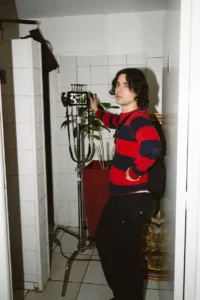

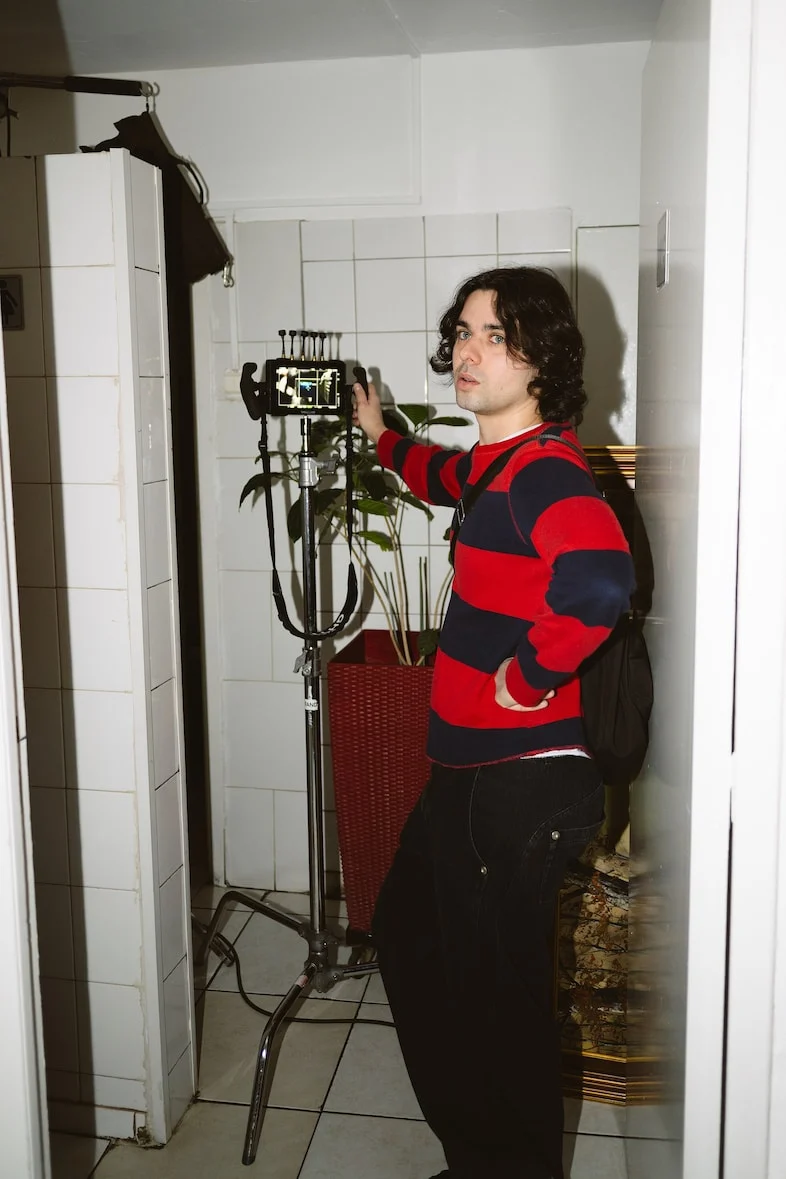
The intersection of heritage athletic wear and contemporary youth subculture has long been a fertile ground for global brand storytelling, and athletic giant PUMA has consistently positioned its iconic silhouettes at the very heart of this cultural exchange. As the final installment of an exclusive behind-the-scenes content series documenting the production of the global "Never Not Suede" campaign, French director Natas has opened up about the collaborative ethos, structural methodology, and personal trajectory that shaped the ambitious visual project. Set against the sun-bleached, historic backdrop of Athens, Greece, the campaign mini-film tracks a tight-knit collective of young creatives as they navigate an unfamiliar urban landscape, forging organic connections and transforming transient spaces into familiar environments.
This deep dive into the closing chapter of the "Never Not Suede" production chronicle offers a comprehensive look at how modern commercial fashion filmmaking relies less on traditional, rigidly scripted modeling tropes and far more on authentic human dynamics, shared creative histories, and spontaneous, unscripted moments captured on set.
Main Facts and Production Framework
The "Never Not Suede" campaign represents a major strategic marketing and cultural positioning initiative for PUMA as the brand seeks to reinforce the enduring legacy of its classic Suede sneaker—a silhouette that has anchored various countercultural movements, from 1980s hip-hop to contemporary skateboarding, for nearly six decades. Rather than relying on a conventional roster of traditional models selected strictly for their aesthetic portfolios, PUMA enlisted a diverse cast of genuine creatives whose real-world passions, energy, and interdisciplinary talents naturally infused the production with authenticity.
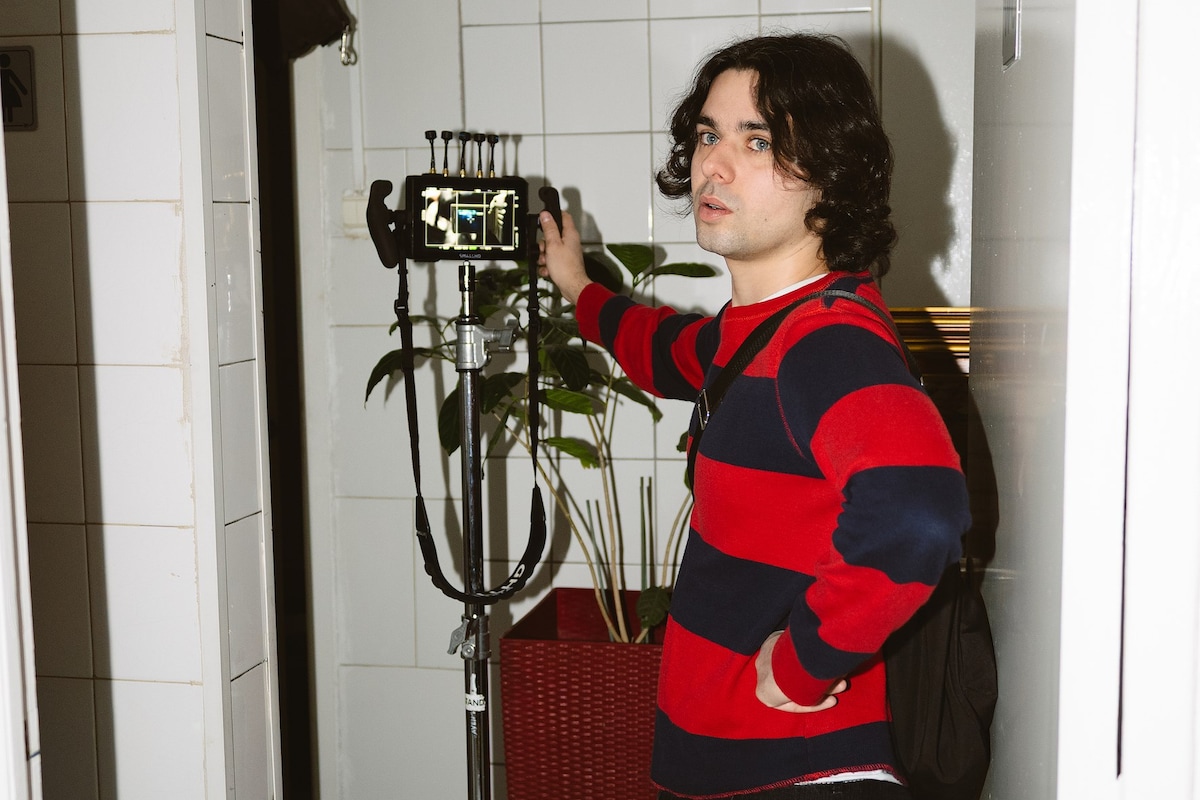
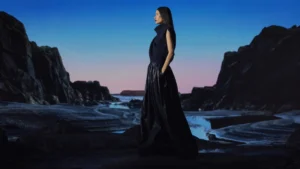
To bring this vision to life, PUMA assembled a top-tier creative crew. The campaign imagery was captured by celebrated photographer Maxime Ballesteros, whose raw, visceral flash-heavy style defined the print output. Styling was spearheaded by fashion director Imruh Asha, who curated wardrobes that balanced contemporary streetwear sensibilities with the timeless minimalism of the Suede sneaker. Finally, the narrative direction of the campaign’s central video component was handed to French videographer Natas, an alumnus of the European skateboarding scene whose transition from documenting street skating in the French Alps to directing high-end luxury and lifestyle campaigns has been defined by an unwavering commitment to creative community.
Chronology and Evolution of the Campaign Rollout
The rollout of the "Never Not Suede" multimedia campaign unfolded across a meticulously planned multi-month schedule, designed to maximize audience engagement through staggered product drops and complementary behind-the-scenes media coverage:
- Phase One (Initial Launch & Photography Reveal): PUMA debuted the core visual identity of the campaign, introducing Maxime Ballesteros’ stark photography campaign that established the raw, nocturnal, and urban exploratory tone of the initiative.
- Phase Two (Styling Insights): Mid-campaign, fashion director Imruh Asha provided structural context regarding the sartorial choices, detailing the intricate process of outfitting a diverse international cast to reflect contemporary youth identity without losing the heritage DNA of the sneaker.
- Phase Three (Directorial Finale & Video Release): The final phase centered on director Natas, culminating in the release of behind-the-scenes featurettes and deep-dive interviews detailing the on-the-ground realities of shooting the narrative film on location in Athens, alongside the reveal of Drop 3 product lines.
Background Context: From Alpine Skateboarding to Global Direction
The creative worldview of director Natas is inextricably linked to his formative years in Annecy, a picturesque Alpine town in southeastern France. Long before helming commercial campaigns for multinational footwear corporations, Natas entered the visual arts through the decentralized, DIY subculture of skateboarding. Documenting skate sessions with friends served as his practical film school, instilling an instinct for handheld camera movement, spatial awareness, and candid human interactions.
This grassroots beginning facilitated a natural pivot into the music video industry. Through his connections in the skateboarding circuit, Natas crossed paths with Swiss rapper Dih-meh, who commissioned him to direct a music video. The success of this project opened doors across the European music and fashion landscapes, allowing him to transition smoothly into directing commercial campaigns. Despite scaling up to large-scale international productions, Natas has actively maintained the collaborative, egalitarian working methods learned on skate ramps, ensuring that his childhood friends and long-term artistic peers occupy key roles on his professional sets. On the Athens shoot, for instance, his long-time friend Atalya served as chief operator, maintaining a continuous thread of trust and shared visual language from his early independent projects to major global advertising campaigns.
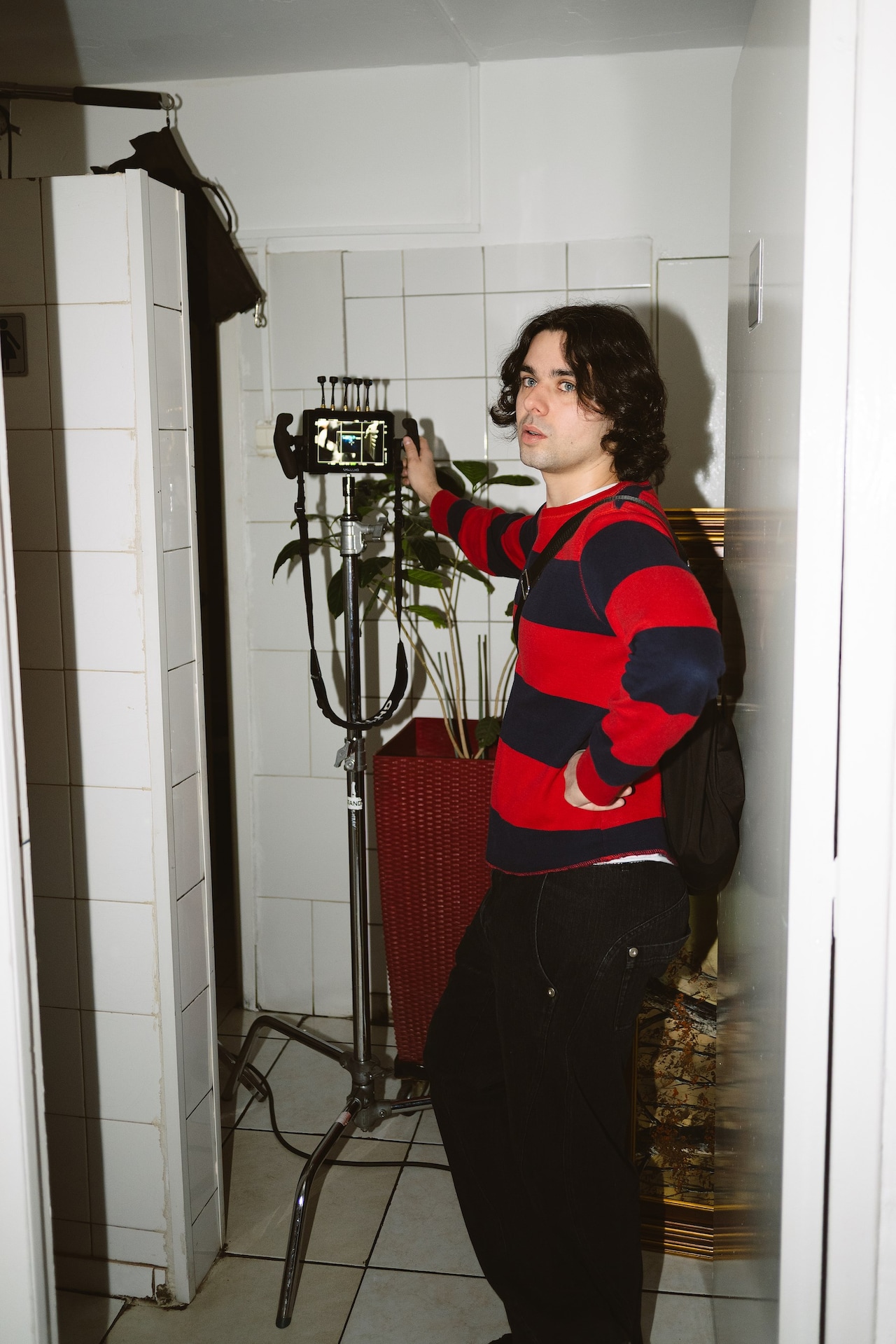
Production Insights and On-Set Methodology
Shooting on location in Athens presented both logistical challenges and creative opportunities. The narrative framework of the "Never Not Suede" film required the cast to portray a group of friends dropped into unfamiliar territory, gradually mapping out their environment and establishing emotional safety within the urban sprawl. According to Natas, achieving this level of on-screen chemistry required a management style rooted in open dialogue rather than authoritarian dictation.
"The idea is to weigh the maximum amount of ideas, see what works and what does not and see how we can all be happy with the result," Natas explains regarding his collaborative approach on set. This democratic framework allowed for genuine improvisation to dictate the final cut of the film.
A prime example of this methodology occurred during the production of a sequence intended to depict a chaotic night out for Drop 3 of the campaign. Natas noted that cast member Paul possessed an exceptional, professional-grade talent for dance—a capability that was not initially written into the storyboard or anticipated by the director. When Paul began dancing organically during the scene, the cameras captured a moment of pure, unchoreographed electricity that instantly elevated the sequence. By remaining flexible and receptive to the individual talents of the cast, the production achieved a level of realism that standard commercial scripts struggle to manufacture.
Another standout element of the Athens shoot was the deliberate selection of locations that carried historical, lived-in texture rather than pristine, sterile studio backdrops. One of Natas’s favorite locations was a local restaurant ingeniously transformed into an improvised underground rave venue. Drawing inspiration from authentic subcultural nightlife spaces he had frequented in Paris and Marseille, the crew utilized a commercial meat-storage refrigerator as a makeshift DJ booth. These specific, tactile details served to ground the fictional narrative in real-world reference points, reinforcing the overarching theme that the PUMA Suede is not merely an object to be showcased, but an active companion in the lived experiences of youth culture.

Broader Impact and Industry Implications
The execution and reception of the "Never Not Suede" campaign offer valuable insights into contemporary fashion and athletic footwear marketing trends. In an era where consumers—particularly Gen Z and millennial demographics—demonstrate heightened skepticism toward traditional corporate advertising and heavily curated influencer marketing, legacy brands are increasingly forced to pivot toward authenticity, community-led narratives, and subcultural legitimacy.
By entrusting the creative direction of a major global push to a director rooted in skateboarding subculture, and by casting real creatives rather than commercial models, PUMA successfully bridged the gap between heritage marketing and contemporary relevance. The strategy underscores a broader industry shift wherein the value of a product is validated not by abstract luxury markers, but by its integration into genuine human relationships, artistic collaborations, and shared physical spaces.
As the "Never Not Suede" series concludes, the campaign stands as a case study in modern commercial direction: one that proves that when brands step back to allow genuine creative communities to dictate the rhythm, movement, and narrative of a project, the resulting product promotion transcends conventional advertising to become an authentic cultural artifact.