






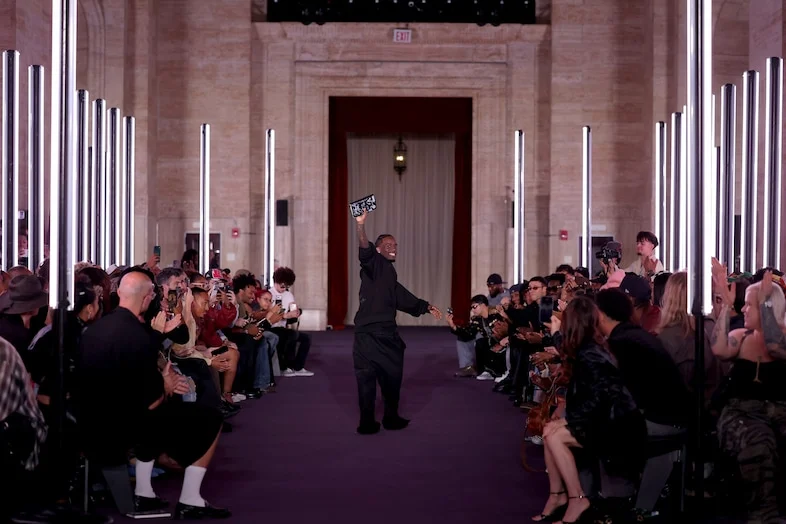
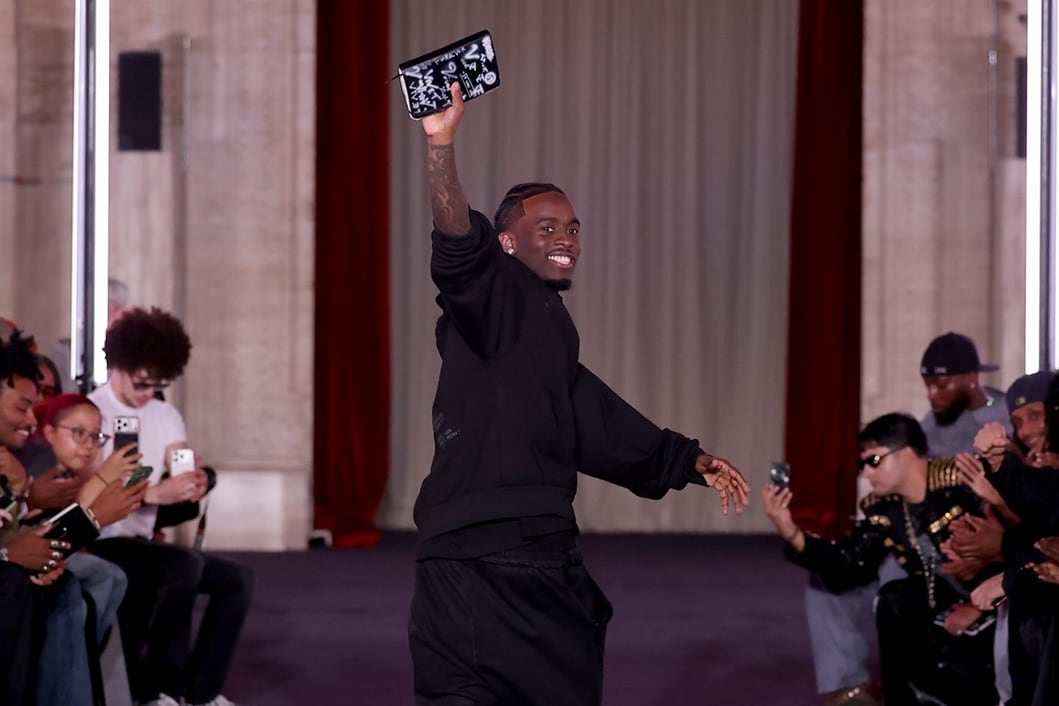
The intersection of digital streaming culture and traditional high fashion reached a new milestone at New York Fashion Week, accompanied by intense public scrutiny and debate. Kai Cenat, a 24-year-old internet personality widely recognized as one of the most-streamed creators on Twitch, presented the inaugural runway collection for his independent apparel brand, VIVET. Broadcast live to an audience exceeding 180,000 concurrent viewers, the event immediately galvanized the digital space, resulting in a deeply polarized discourse regarding the legitimacy of non-traditional designers within established fashion institutions.
While the physical presentation at New York Fashion Week marked a significant logistical achievement for a nascent label, the reaction from industry observers, consumers, and digital commentators underscored long-standing tensions between traditional fashion gatekeepers and the modern digital creator economy. The event has catalyzed a broader conversation concerning accessibility, meritocracy, and the evolving pathways to creative direction in the twenty-first century.
Chronology of the Brand’s Development and Runway Debut
The path to VIVET’s New York Fashion Week debut represents a compressed timeline compared to traditional design houses, which typically spend years operating through smaller-scale presentations or direct-to-consumer digital sales before securing a spot on an official fashion week calendar.
Over the nine months preceding the September showcase, Cenat shifted a portion of his professional focus toward the technical foundations of apparel production. Rather than relying exclusively on a design team without direct oversight, the creator spent extended periods in Italy collaborating with industry specialists to study manufacturing processes, pattern-making methodologies, and leather construction.
On Saturday, September 14, 2026, VIVET officially unveiled its Spring/Summer 2027 (SS27) collection in three distinct acts. The presentation featured boxy silhouettes, leather biker trousers, heavy-weight fur gilets, drawstring joggers, and contemporary tailoring. High-profile model Alton Mason closed the runway appearance wearing a floor-sweeping fur coat. Following the conclusion of the physical event, digital engagement metrics surged, with the livestream pulling in over 180,000 live viewers—figures that frequently eclipse the audience reach of heritage luxury houses broadcasting their own runway shows.
Critical Reception and Design Analysis
From a stylistic perspective, fashion critics and industry analysts observed that VIVET’s inaugural collection drew clear inspiration from contemporary streetwear and luxury avant-garde codes, frequently comparing its aesthetic vocabulary to the established frameworks of brands like Vetements, Balenciaga under Demna, and Yeezy.
The collection featured:
- Oversized outerwear and structural boxy hoodies
- Technical leather trousers and utilitarian drawstring joggers
- Layered textures including heavy-weight faux and genuine furs
- Neutral color palettes punctuated by stark monochrome contrasts
Independent fashion critics offered measured appraisals of the garments themselves, noting that while the technical execution was competent, the collection occasionally struggled to articulate a singular, unique design identity—a common hurdle for early-career independent designers. However, public commentary on social media platforms rapidly shifted away from objective garment analysis, focusing instead on the designer’s background, the level of direct manual labor performed by Cenat versus hired technicians, and the perceived fairness of securing a New York Fashion Week slot without formal training at institutions such as Central Saint Martins or Parsons School of Design.
Industry Perspectives and the Gatekeeping Debate
The inclusion of high-profile digital creators in traditional fashion spaces has long been a contentious subject for industry traditionalists. Historically, resistance has centered on front-row attendance by social media influencers, but the transition from consumer or promoter to producer and creative director has accelerated these friction points.
Ayáọjí, a fashion critic and alumnus of Central Saint Martins who operates the commentary platform Fashion Roadman, addressed the entitlement often observed within traditional academic circles. In public statements regarding the debut, he noted that many individuals who complete formal fashion degree programs often feel entitled to commercial and institutional opportunities purely on the basis of their credentials. By contrast, creators like Cenat construct independent audiences and capital structures outside traditional industry pipelines, leveraging alternative resources to bring their visions to life.
Conversely, a substantial segment of the design community expressed frustration over resource allocation. Emerging designers often spend years navigating financial barriers, material shortages, and a lack of institutional support just to secure showroom appointments, let alone a runway slot at New York Fashion Week. From this perspective, the rapid ascension of a mainstream streamer with substantial capital reserves is viewed as an asymmetric advantage that bypasses the rigorous mentorship and financial hardship typically endured by independent talent.
Historical Precedents in Celebrity and Creator Fashion
Kai Cenat is far from the first public figure without a traditional fashion pedigree to launch a viable apparel brand or present during fashion week. The history of contemporary fashion is replete with crossover success stories where individuals transitioned from entertainment, music, or business into recognized design roles:
- The Olsen Twins: Mary-Kate and Ashley Olsen transitioned from child acting and commercial branding to found The Row, subsequently earning critical acclaim and multiple Council of Fashion Designers of America (CFDA) awards.
- Victoria Beckham: Moving from pop music stardom to launch her eponymous luxury label, Beckham spent over a decade proving her commitment to craftsmanship and structural tailoring, eventually securing respect among heritage European houses.
- Stella McCartney: While holding a degree from Central Saint Martins, McCartney faced initial skepticism regarding nepotism and celebrity adjacency before building a globally respected luxury brand centered on sustainable practices.
- Matilda Djerf: As a prominent digital content creator, Djerf established a direct-to-consumer powerhouse and executed a one-off runway presentation during New York Fashion Week in 2023, establishing a modern template for influencer-led fashion brands.
Despite these precedents, musicians launching clothing lines have largely normalized their presence in the fashion ecosystem, whereas digital content creators and live-streamers continue to encounter higher thresholds of skepticism from legacy media and institutional purists.
Broader Implications for Fashion Criticism and Education
The hyper-polarized reaction to VIVET’s debut highlights a structural shift in how creative work is evaluated in the digital age. Contemporary online discourse often demands immediate, hyperbolic categorization—labeling a collection either as an instant cultural milestone or as an existential threat to fashion integrity. This rapid-fire cycle of praise and condemnation provides little room for young designers to iterate, make mistakes, and evolve organically.
Furthermore, the debate over who is "worthy" of participating in fashion week touches on deep-seated definitions of industry elitism. While criticisms concerning capital inequality in fashion are valid, defining worthiness strictly through traditional educational and professional pathways risks locking out innovative forms of community-building and direct audience engagement that define modern commerce.
As digital media continues to decentralize traditional gatekeeping models, the fashion industry faces a transitional period. The successful execution and broad viewership of VIVET’s debut indicate that consumer demand and digital distribution channels are increasingly capable of validating independent creative projects outside the traditional editorial consensus. Whether subsequent collections from creator-led brands will focus and refine their design identities remains to be seen, but the structural challenge to traditional industry entry points has firmly established its presence on the global fashion calendar.