


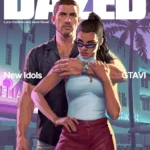





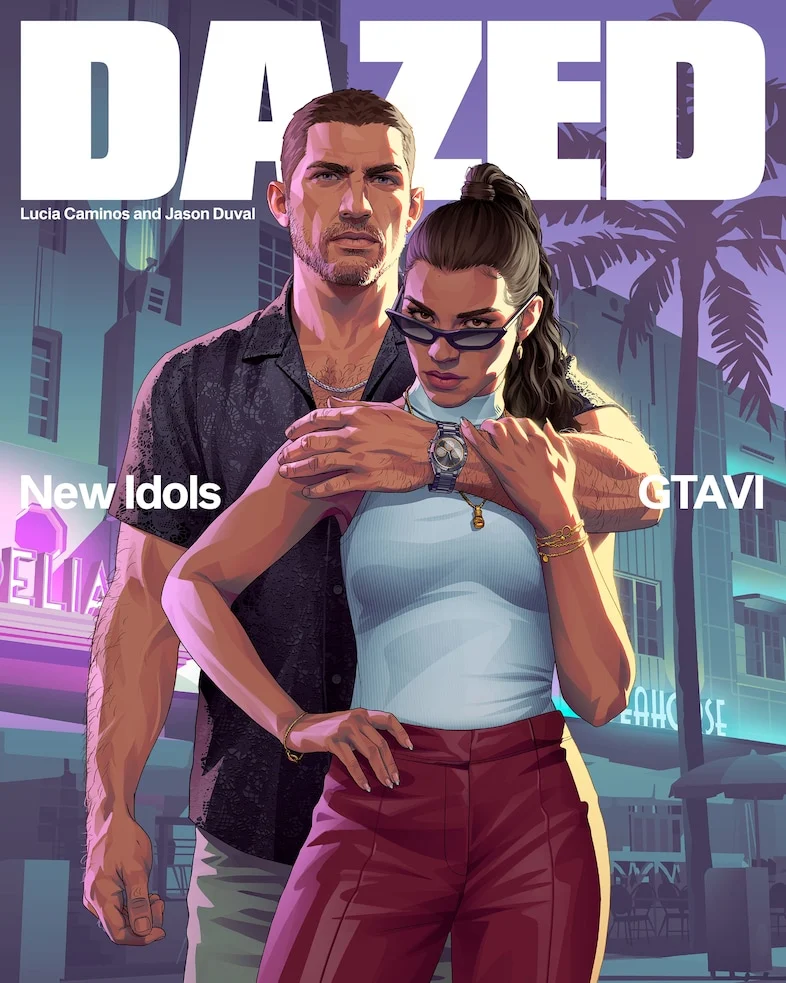
The contemporary fashion and cultural landscape exists in a state of acute tension, caught between the homogenizing pressures of algorithmic conformity and a rebellious resurgence of bodily autonomy. In response to this cultural dichotomy, independent publication Dazed has released its landmark "New Idols" issue. This comprehensive edition arrives alongside its sister publication, AnOther, offering readers a multi-faceted critique of modern bodily politics, shifting aesthetic norms, and the evolving relationship between physical reality and the digital frontier. Available for free digitally and through print distributors via Boutique Mags, the issue marks a critical juncture for the 35-year-old publication, which continues to position itself at the bleeding edge of youth culture, avant-garde design, and artistic provocation.
Main Facts and Conceptual Framework
The intellectual genesis of the "New Idols" issue lies in a rigorous examination of the human body in the mid-2020s. Editorial leadership structured the edition around three primary anxieties plaguing contemporary society: the shrinking, heavily policed physical standards popularized on global runways and red carpets; the systemic erosion of foundational bodily rights, including restricted access to safe abortion care and gender-affirming healthcare; and the growing psychological disconnect between minds and bodies driven by immersive digital environments.
As a direct riposte to these prevailing trends, the magazine champions physical diversity, casting models and subjects who reflect the realities of the street rather than the sterile, pharmaceutical-assisted aesthetics of an Ozempic-driven dystopia. The editorial team deliberately elevated activists fighting tirelessly for bodily freedoms, alongside artists whose tactile work evokes genuine emotional responses rather than passive algorithmic consumption. By rejecting uniformity, the issue seeks to establish a new paradigm of representation where marginalized and non-traditional bodies occupy center stage in high fashion and pop culture.
Chronology and Evolution of the Issue
The curation of the "New Idols" edition reflects a meticulous timeline of contemporary cultural moments spanning music, fashion, and interactive entertainment. Development of the issue began months prior to publication, aligning with the Autumn/Winter fashion weeks and major milestones across the creative industries.
The issue’s cover star lineup reads as a cross-section of modern cultural influence, bridging traditional media with emerging digital frontiers:
- North West: The 13-year-old pop culture scion, actively forging an independent creative career, was photographed by legendary filmmaker Gus Van Sant, renowned for cinematic milestones such as My Own Private Idaho.
- V of BTS: The global fashion icon and pop phenomenon, who has spent over a decade at the apex of international music, was captured through the lens of photographer Erika Kamano.
- Ethel Cain: A defining musical visionary of her generation and an enduring icon for queer youth worldwide, photographed by Jet Swan.
- Emeline Hoareau: The Réunion Island model who commanded global attention during the Autumn/Winter runway presentations, photographed by Zora Sicher.
Further anchoring the print edition is a historic collaboration with Rockstar Games, marking the first global exclusive on Grand Theft Auto VI and its protagonists, Lucia Caminos and Jason Duval. This inclusion crowns a development timeline spanning more than a decade since the release of its predecessor, cementing the franchise’s status as a towering achievement in modern digital art.
Supporting Data and Industry Context
The cultural weight of the "New Idols" issue is underscored by staggering economic and historical data within the creative and entertainment sectors. According to industry analysis referenced by Dazed senior writer Thom Waite, Rockstar Games occupies a peerless position in the modern entertainment economy. Grand Theft Auto V, released in 2013, shattered global records by becoming the fastest-selling entertainment product in history, generating an unprecedented $1 billion in gross revenue within its first three days on the market. Its successor, the critically acclaimed western-themed epic Red Dead Redemption 2, further solidified the studio’s reputation for technical and narrative mastery.
The impending release of Grand Theft Auto VI represents more than a commercial milestone; it serves as a cultural turning point that will redefine how human bodies, motion-captured performances, and digital identities are portrayed in virtual spaces.
Concurrently, the fashion landscape depicted in the issue reflects deep socio-economic realities. Highlighting collections from Comme des Garçons and Matières Fécales, the publication addresses the stark contrasts of the current global economy. Rei Kawakubo’s Autumn/Winter collection serves as a direct aesthetic response to mounting global darkness, building on a 50-year legacy of dismantling traditional tailoring and body shapes. Meanwhile, the provocative designs of Hannah Rose Dalton and Steven Raj Bhaskaran for Matières Fécales directly confront extreme wealth inequality through a jarring blend of the sublime and the grotesque. Their street-cast narrative in Paris—featuring 15-year-old viral sensation Billy—emphasizes radical inclusivity through confrontational visual storytelling.
Official Responses and Editorial Statements
Editorial architects behind the issue have been vocal about the necessity of maintaining artistic friction in an era dominated by sanitized, algorithm-friendly content. The decision to feature unvarnished physical realities—ranging from the extreme undressing of model Selena Forrest, shot by Aidan Zamiri, to the unsettling, boundary-pushing inclusivity of street-cast shows—was intentional.
"If you accept that video games are an artform, then Rockstar Games has produced two of the most significant works of the 21st century so far," Thom Waite observed regarding the inclusion of the Grand Theft Auto franchise. This sentiment echoes throughout the broader editorial stance, which refuses to dilute its critique of modern sociopolitical structures to appease mainstream advertisers or risk-averse digital platforms.
Creators and collaborators alike have embraced this ethos. From Rei Kawakubo’s emotionally resonant designs that reduced senior fashion editors to tears, to the avant-garde hair sculptures crafted by artist Taiba Akhuetie, every contributor shares a commitment to subverting expected norms.
Broader Impact and Implications
As Dazed celebrates its 35th anniversary—marked by a collaborative capsule collection with YMC—the publication consciously resists retrospective nostalgia, choosing instead to train its gaze firmly on the future. The implications of the "New Idols" issue extend far beyond the pages of a glossy magazine or the digital expanse of a PDF download.
By intersecting high-end fashion critique, investigative cultural journalism, and the validation of digital characters as legitimate cultural icons, the publication provides a blueprint for independent media survival. In an economic and technological climate where independent journalism faces severe headwinds from automated content generation and corporate consolidation, Dazed demonstrates that uncompromising curation, intellectual rigor, and visual daring remain powerful counter-weights.
Ultimately, the "New Idols" issue acts as a diagnostic tool for contemporary society. It charts a course through the turbulence of algorithmic homogenization, bodily policing, and socioeconomic disparity, offering readers not an escape from reality, but a sharper, more defiant lens through which to confront it.