










In an era where the traditional wedding industry is often criticized for prioritizing aesthetic trends over personal significance, the recent union of Kim, a seasoned set decorator for film and television, and writer Danny, serves as a counter-narrative. Married this past April at Agreco Farms in the rugged, historic landscape of Crete, Greece, the couple’s celebration was defined not by mass-produced luxury, but by intentionality, deep-rooted family history, and a spiritual framework that transformed a standard ceremony into a meticulously curated experience. The couple, who first met two decades prior, chose to forgo conventional expectations, instead focusing on a guest experience designed to evoke a sense of timelessness and connection.
The Chronology of a Two-Decade Partnership
The roots of this celebration extend back to 2005, when Kim and Danny met at a house party in West Hollywood, California. Their initial connection was immediate, marked by a spontaneous trip to New York that underscored the intensity of their early relationship. However, professional demands—specifically Danny’s career as a restaurateur—led to an eleven-year period of intermittent dating. It was not until 2016 that the couple formalized their commitment to one another.
The proposal occurred on Kim’s 50th birthday, set against the backdrop of their first shared home. Demonstrating a commitment to the "slow process," Danny spent the day constructing two custom rocking chairs by a pond on their property, a deliberate act of creation that mirrored the couple’s eventual approach to their wedding planning. The wedding date, April 16, was selected to coincide exactly with the 20th anniversary of their first meeting, a nod to the temporal significance of their journey.
Strategic Selection of Venue and Philosophy
The choice of Agreco Farms in Crete was the result of a convergence of serendipity and design. The couple had previously observed a wedding ceremony on a smaller Greek island, an experience that planted the seed for their own destination event. However, the decision remained fluid until Kim experienced a vivid, prophetic dream of a farm setting, which she subsequently identified as the Agreco location.
The venue itself—a working organic farm renowned for its adherence to traditional Cretan agricultural practices—provided a setting that aligned with the couple’s desire for an "abundant feast" rather than a typical ballroom reception. This shift from "event venue" to "working landscape" is part of a broader trend in the wedding industry, where couples are increasingly opting for sites that offer inherent cultural and historical value over sterile, purpose-built event spaces.
Orchestrating Intention: The Creative Framework
The planning process was facilitated by Bobbie Karagianni of Sand + Lace Events. According to professional correspondence regarding the event, the collaboration was focused on "creative direction" rather than mere logistics. The design philosophy relied on the use of crystals, candles, and intentional seating arrangements to create a sensory environment.
A central element of the design was the "single long table" arrangement. By seating all 38 guests at one communal table, the couple prioritized social cohesion over traditional tiered seating. Data from event management studies suggest that communal dining configurations significantly increase guest interaction and satisfaction scores, as they break down social barriers inherent in smaller, isolated table settings.
Ceremonial Nuance and Cultural Heritage
The ceremony was a complex weave of two distinct heritages. Recognizing Danny’s Irish background and her own Greek heritage, the couple incorporated specific cultural markers: Irish bagpipe music was utilized to evoke the legacy of Danny’s father, while a traditional Greek band provided the auditory landscape for the reception.
The spiritual component was emphasized through an "intention-setting" exercise. Guests were encouraged to write private wishes and place them in a box, a ritual intended to foster a sense of collective purpose. The presence of hundreds of hand-selected crystals, shipped from overseas, served as both décor and physical tokens of the couple’s spiritual focus. The legal aspect of the marriage was finalized separately in a private backyard ceremony, a practical approach that allowed the Cretan event to remain purely symbolic and focused on the couple’s personal vows.
Professional and Artistic Contributions
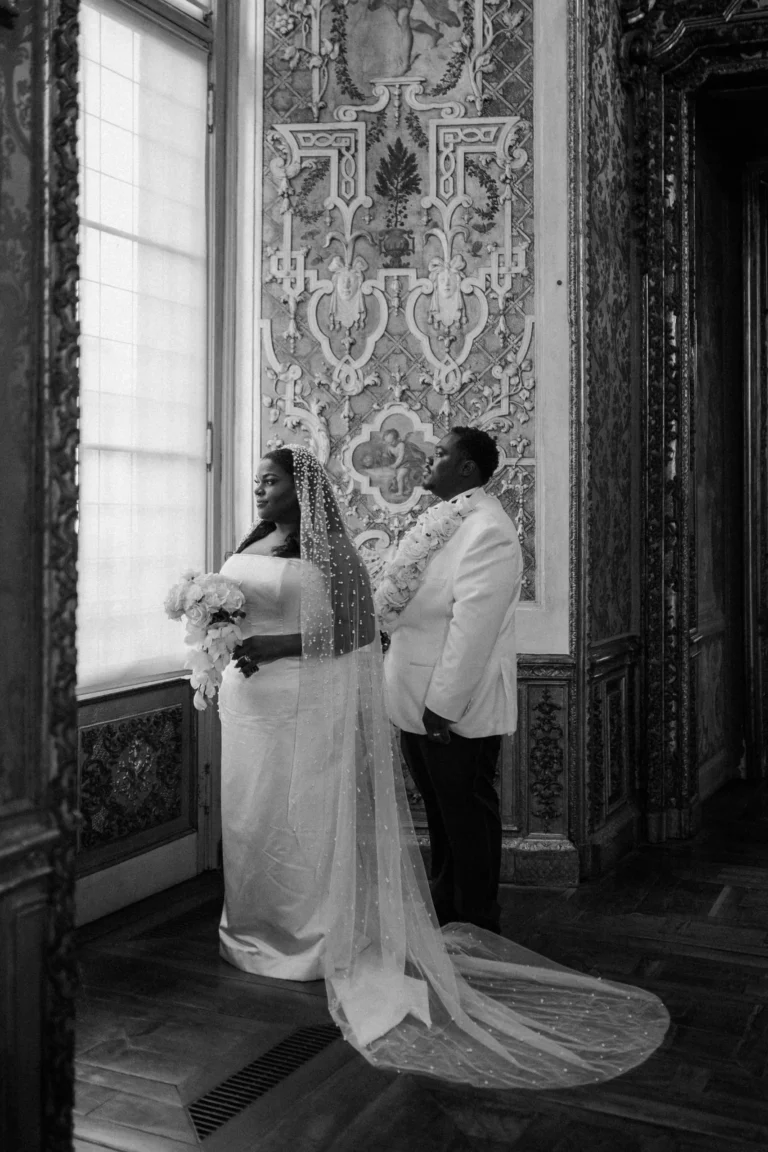
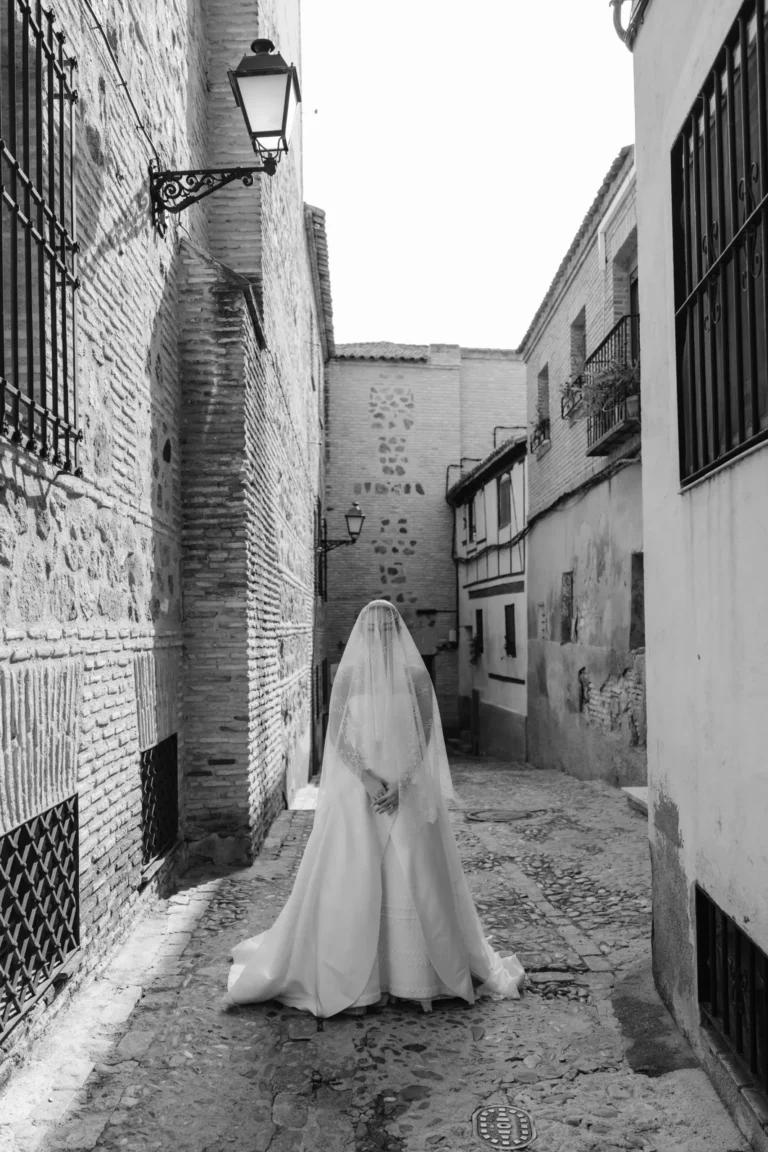
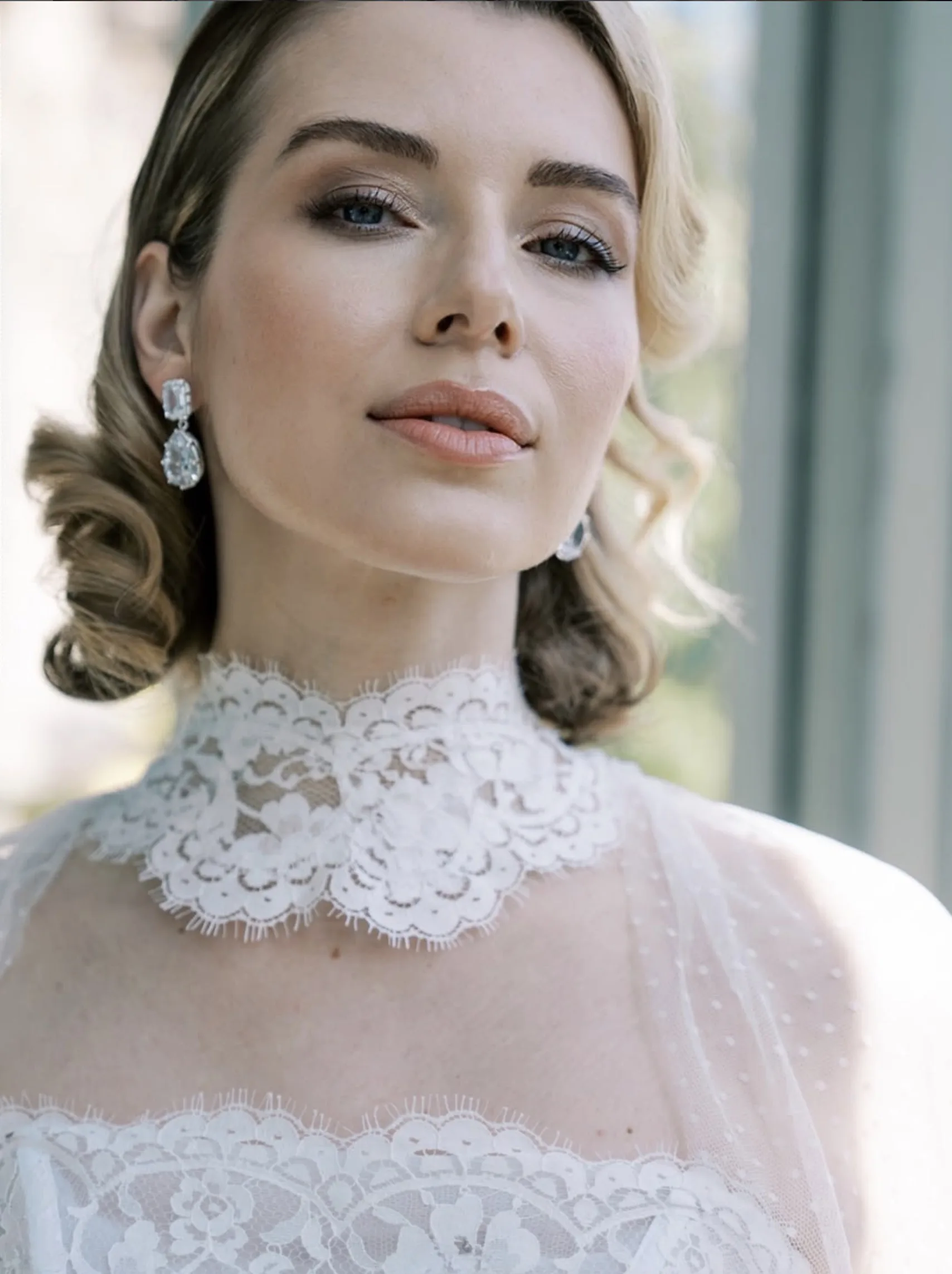
The aesthetic capture of the event was managed by photographer Paulina Bruni, who utilized a combination of digital and analogue film techniques. This choice is increasingly popular among high-profile weddings, as it offers a tactile, "timeless" quality to the imagery that digital-only formats often lack. DG Films documented the motion capture, providing a cinematic record of the event that reflects Kim’s professional background in film set decoration.
The jewelry, commissioned from Boston-based artisan Suzanne Dines, deviated from industry standards, featuring a Rubellite engagement ring rather than a traditional diamond solitaire. This decision underscores a shift toward artisanal, bespoke items that carry personal significance rather than following market-dictated trends in luxury goods.
The Economic and Emotional Impact of "Small-Scale" Luxury
At 52, as a first-time bride, Kim’s approach to the wedding offers a perspective often missing from mainstream media coverage, which tends to focus on younger demographics. Her transition from viewing the "giving away" of the bride as an outdated custom to embracing the presence of her aging parents highlights the shifting emotional priorities of older couples.
The logistical coordination of a destination wedding in Crete, involving international travel, local vendors, and specific cultural requirements, represents a significant investment of time and capital. However, the couple’s decision to limit their guest list to 38 people allowed for a higher per-guest expenditure, enabling the "abundant feast" model that defined their reception. This model—higher spend per head on fewer guests—is often cited by event analysts as the most sustainable way to achieve a "luxury" atmosphere without sacrificing the intimacy of the gathering.
Reflective Analysis of the Event’s Success
The success of the event, as reported by those involved, can be attributed to the "slowing down" of the wedding process. By incorporating dance choreography through Fred Astaire Dance Studios and spending a full year curating a custom dinner playlist, the couple treated the planning period as an extension of the marriage itself.
The "Rainbow Connection" final dance, while seemingly whimsical, was part of a larger, carefully curated narrative arc for the evening. The use of a professional dance instructor for the couple further indicates a high level of preparation, suggesting that for this couple, the wedding was not merely a day to be celebrated, but a performance of their shared history.
Broader Implications for the Wedding Industry
The wedding of Kim and Danny serves as a case study in the "experience-first" model of event planning. In an industry that is currently seeing a surge in "micro-weddings" following global economic shifts, this event demonstrates that the reduction of scale does not equate to a reduction in significance. By focusing on personal symbolism—such as the creation of a candle made from the wax of the bride’s grandparents’ wedding candles—the couple established a template for what some call "Legacy Wedding Planning."
Furthermore, the involvement of a professional wedding planner to act as a "creative director" highlights the changing role of the vendor. Couples are increasingly seeking partners who can synthesize complex personal histories into a cohesive, physical environment.
In conclusion, the wedding in Crete was a deliberate rejection of the "wedding-in-a-box" approach. Through the integration of spiritual practices, cultural homage, and a high degree of personalization, the couple achieved an outcome that prioritized emotional resonance. As the industry continues to evolve, the emphasis on "intention" over "aesthetic" is likely to become a defining feature of successful, modern matrimonial celebrations, reflecting a growing consumer desire for events that serve as authentic expressions of the partners involved rather than performances for an audience.