








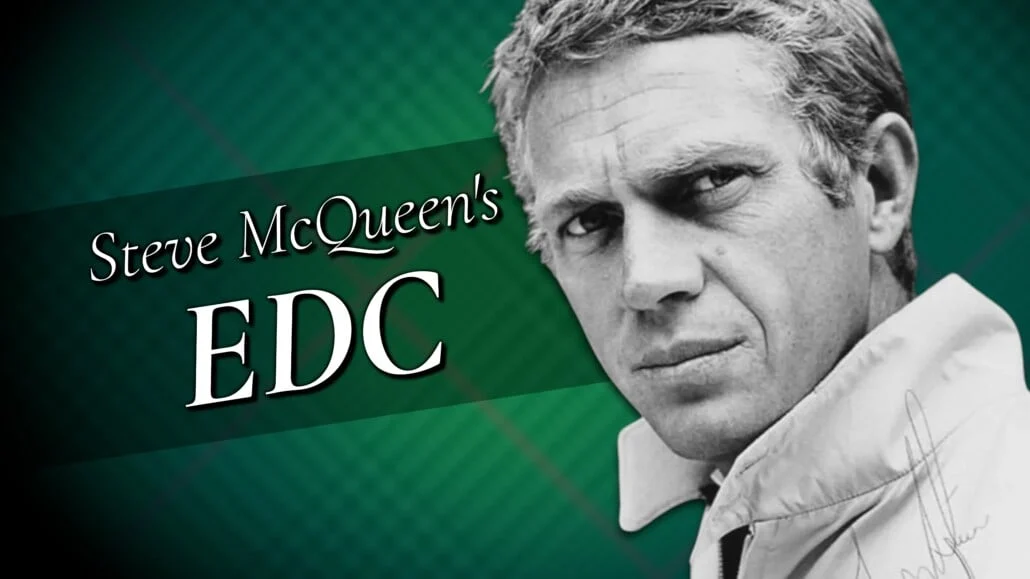
Steve McQueen remains the definitive archetype of mid-century masculine cool, a reputation built as much on his deliberate, unvarnished approach to life as his cinematic presence. While popular culture often equates his image with the high-octane thrill of Bullitt or the rugged elegance of The Great Escape, a closer examination of his personal effects reveals a man whose aesthetic was defined by utility, resilience, and a profound attachment to objects of genuine personal significance. Unlike modern celebrities whose public images are meticulously curated by stylists and brand partnerships, McQueen’s "everyday carry" (EDC)—the items he kept in his pockets and on his person—offers an unscripted biography of a man who navigated fame with a fiercely guarded sense of self.
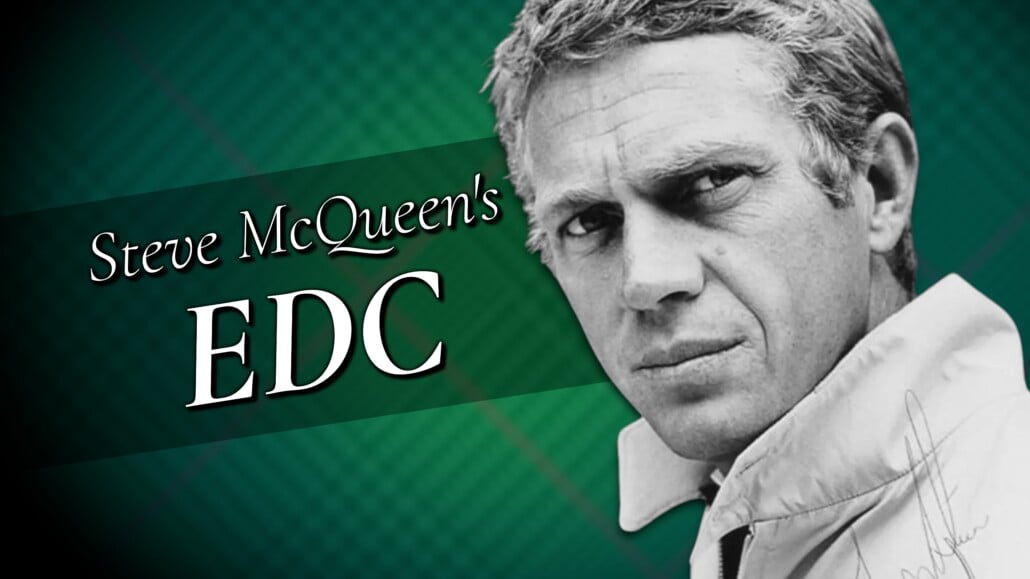
The Rolex Submariner Ref. 5512: A Foundation of Utility
Central to the McQueen aesthetic was the Rolex Submariner Reference 5512, a timepiece that served as the anchor of his personal collection. Introduced in 1959, the 5512 was a technical advancement over its predecessors, featuring prominent crown guards to protect the winding mechanism from impact—a feature born of the watch’s intended purpose as a professional-grade diving instrument. Unlike many actors of his era, who were restricted by studio-mandated wardrobes, McQueen insisted on wearing his own watch during the filming of The Towering Inferno in 1974. This insistence on authenticity underscores a recurring theme in his life: a refusal to prioritize artifice over personal preference. The 5512 was not merely a luxury accessory; it was a chronometer-certified tool that functioned as reliably as the man who wore it, bridging the gap between his professional persona and his private reality.

The Evolution of the Persol 714 Folding Sunglasses
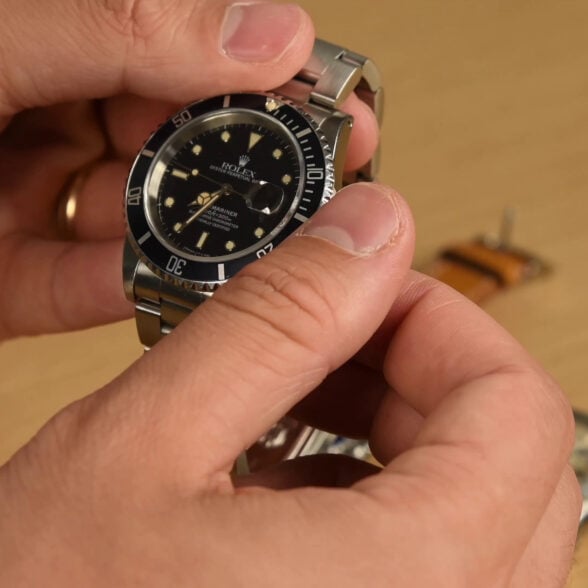
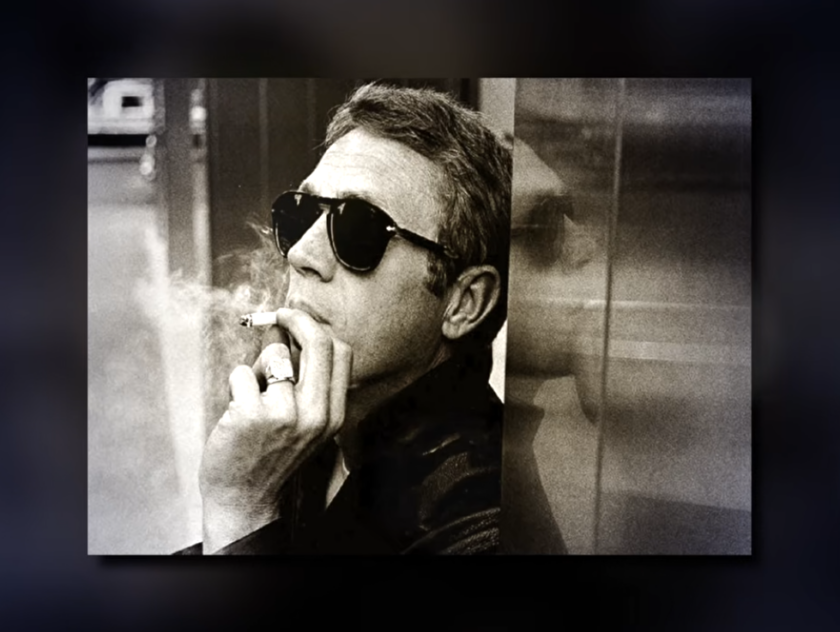
The association between Steve McQueen and the Persol 714 folding sunglasses is perhaps the most enduring visual shorthand for the actor’s style. Designed with a unique hinge mechanism that allows the frames to collapse into a compact size, the 714s were a triumph of mid-century industrial design, prioritizing portability and function. Contrary to the industry standard, where costume designers dictate an actor’s appearance, the 714s were part of McQueen’s personal inventory long before they appeared in the 1968 classic The Thomas Crown Affair. The film’s production team eventually incorporated the glasses into the script, acknowledging that the accessory was already an extension of McQueen’s own character. The cultural weight of this choice was later validated by the market: in 2006, a pair of 714s purportedly owned and worn by the actor sold at a Bonhams auction for $70,200, signaling the transition of his personal effects from mere tools to historical artifacts.
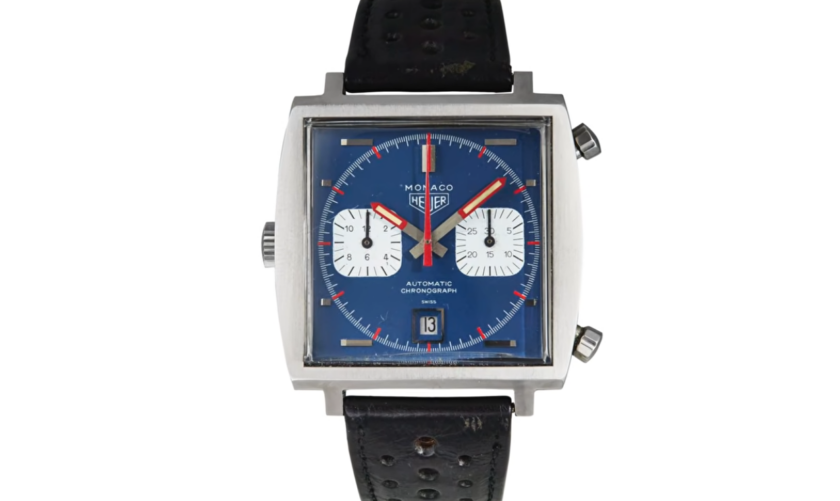
The TAG Heuer Monaco Ref. 1133: A Bridge Between Commercialism and Credibility
In 1971, McQueen’s involvement with the TAG Heuer Monaco Ref. 1133 during the production of Le Mans established a precedent for the modern celebrity-brand endorsement. The Monaco, with its unconventional square case and automatic chronograph movement, was a bold departure from the slim, circular dress watches that dominated the era. While this was a commercial partnership, McQueen’s credibility as an amateur race car driver transformed the endorsement into a legitimate alignment of values. McQueen reportedly purchased six of the watches for use during the film’s production. In 2020, one of these specific units reached a record-breaking $2.2 million at auction. This figure illustrates the massive premium placed on the intersection of technical innovation and the authentic lifestyle of a genuine enthusiast.

The Signet Ring: A Symbol of Individualism
The singular silver signet ring McQueen wore throughout his career stood in stark contrast to the jewelry trends of both his time and the contemporary era. Historically, the signet ring served a utilitarian purpose, functioning as a personal seal for the authentication of documents. By wearing a simple, understated band, McQueen rejected the performative nature of celebrity jewelry. The ring served as a quiet, personal mark of identity. In an industry defined by the accumulation of status symbols, his preference for a single piece of jewelry—chosen for its simplicity rather than its ability to signal wealth—served as a quiet, consistent statement of personal sovereignty.
The Gold Pocket Watch: A Legacy of Unconditional Support
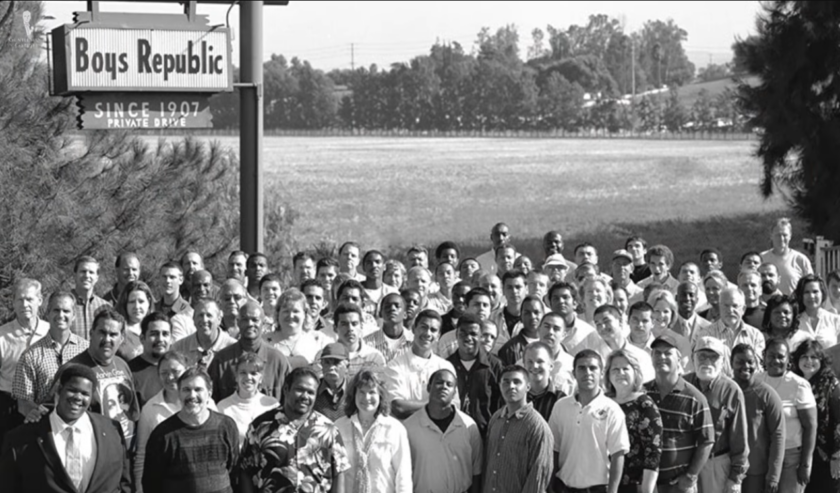
Perhaps the most significant item in McQueen’s possession was a gold pocket watch gifted to him by his uncle, Claude, when the actor was just eight years old. Engraved with the inscription "To Steve, who has been a son to me," the watch served as a constant reminder of the only period of stability in an otherwise tumultuous childhood marked by abandonment and abuse. Following his time at the California Junior Boys Republic in Chino, a reform school that played a critical role in his development, McQueen maintained a lifelong, quiet commitment to the institution. He frequently donated equipment and funds to the school, often bargaining with studios to secure gear for himself only to redirect those resources to the institution. The pocket watch remained in his possession until his death, serving as a private, intimate link to his past that stood in direct opposition to his public image as the "King of Cool."
The Minimalist Money Clip and Financial Pragmatism
McQueen’s approach to personal finance was reflected in his use of a simple, flat money clip rather than a traditional, bulky wallet. This habit was a practical response to his formative years of poverty; he remained hyper-conscious of his resources even as his career reached its zenith. His financial behavior was characterized by a dichotomy: he was known to be notoriously frugal in some aspects of his life while being remarkably generous toward the institutions that shaped his youth. The use of a money clip was an extension of this minimalism—a functional choice that kept his pockets streamlined and his essentials organized without unnecessary excess.

The BSA Hornet Key: A Commitment to Reality
McQueen’s passion for motorcycle racing extended far beyond a casual hobby. His collection included over 140 motorcycles, including the BSA Hornet, a machine engineered for the rigors of off-road competition. McQueen participated in grueling events such as the Baja 1000 and the Mint 400, often competing under the pseudonym "Harvey Mushman." This was a tactical decision intended to ensure he was treated as a competitor rather than a celebrity. The key to the BSA Hornet represents the tangible reality of his commitment; the bike was not an object of aesthetic display but a tool for physical exertion, prone to the crashes and repairs inherent in competitive racing.
The Zippo Lighter: The Democratization of Luxury
The final component of McQueen’s everyday carry was a standard, mass-produced Zippo lighter. Its inclusion on this list is vital for understanding the actor’s philosophy regarding material goods. Positioned alongside a $2.2 million watch, the Zippo possessed no financial prestige and carried no investment value. However, it was a constant companion in his daily life. By treating a functional, inexpensive item with the same regard as his most prized horological assets, McQueen demonstrated that his attachment to objects was rooted in their utility and their role in his daily ritual, rather than their market price.
Implications and Conclusion
The everyday carry of Steve McQueen provides a granular look at the disconnect between a constructed public image and the realities of a private life. His choices—from the robust, crown-guarded Submariner to the sentimental gold pocket watch—were driven by a desire for function, history, and personal integrity. In the context of modern consumer culture, where the acquisition of goods is frequently tied to social signaling, McQueen’s EDC serves as an enduring case study in authenticity. He was a man who understood the value of the items he possessed, yet he never allowed those items to define him. His legacy, both in style and substance, remains rooted in the fact that he was, above all else, the primary editor of his own life.