









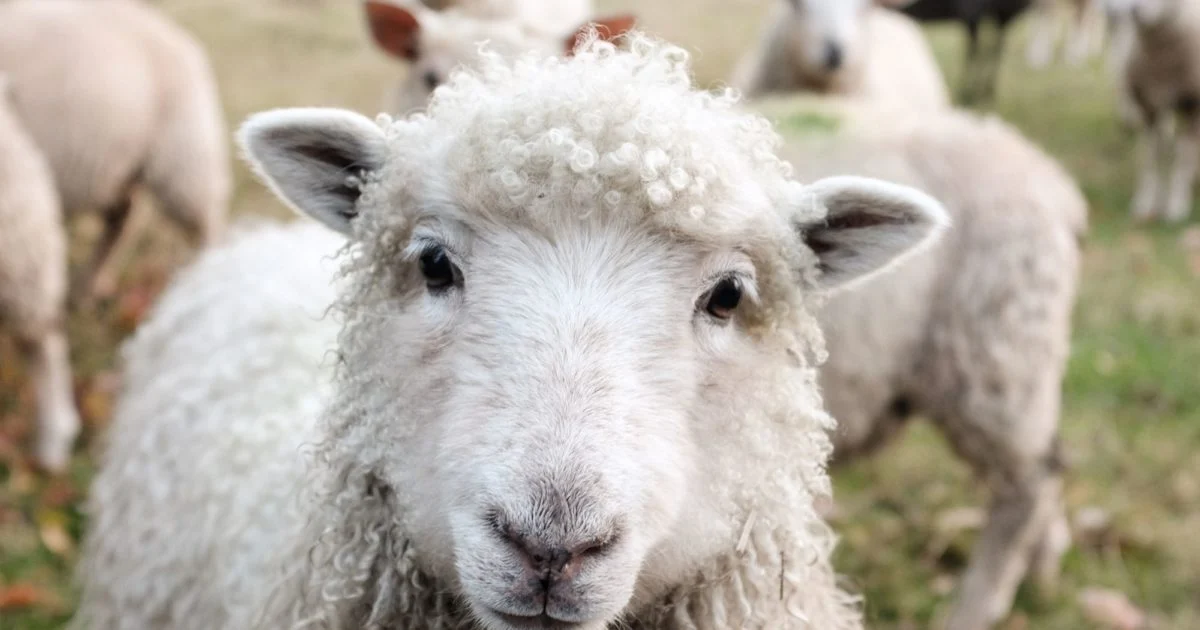
Wool, long cherished for its warmth and comfort, holds a deeply embedded image of naturalness and pastoral idyll. Yet, beneath this seemingly wholesome veneer lies a global industry fraught with intricate ethical and environmental challenges that extend far beyond the simple shearing of sheep. As consumer awareness grows and sustainability becomes a paramount concern, scrutinizing the true impact of wool production has become essential for both industry stakeholders and the conscientious buyer.
The Pastoral Myth and Industrial Reality
For generations, the narrative surrounding wool has painted a picture of well-cared-for sheep grazing peacefully on rolling hills, their periodic shearing presented as a mutually beneficial "haircut" essential for their well-being and a source of valuable fiber for human comfort. This idealized perception suggests a win-win scenario where animals are tended to, and humans receive warm, durable clothing. However, extensive investigations and a deeper understanding of modern agricultural practices reveal a reality that is significantly more complex and often distressing.
The wool industry, particularly at its large-scale commercial level, operates within a global supply chain driven by economic efficiency and maximizing output. This industrial imperative often conflicts with the idyllic image, leading to practices that raise serious questions about animal welfare and ecological stewardship. The industry’s reliance on selective breeding, intensive farming, and global trade creates a multifaceted impact that challenges the traditional understanding of wool as an inherently ethical and sustainable material.
A History of Domestication and Selective Breeding
The journey of wool production began thousands of years ago with the domestication of wild sheep, such as the Mouflon, which naturally shed their winter coats. Over millennia, human intervention through selective breeding has drastically altered these animals. Sheep breeds prevalent today, particularly those prized for their wool like the Merino, have been genetically engineered to produce an unnaturally dense and continuous fleece that does not shed. This physiological alteration means that modern domesticated sheep are entirely dependent on human shearing to prevent heat stress, flystrike, and other health complications, fundamentally changing their relationship with their environment and human caretakers.
This genetic manipulation underscores a crucial point: the sheep we know today are products of an agricultural system designed for human consumption, not natural evolution. Their continued existence is intrinsically linked to their role in providing meat, wool, and skins, raising fundamental questions about the ethical implications of breeding animals specifically for commercial exploitation.
Deep Dive into Animal Welfare Concerns
The idealized image of sheep farming is often shattered by revelations of standard industry practices, many of which involve significant pain and suffering for the animals. Animal welfare organizations and undercover investigations have brought to light the realities of commercial wool production, prompting widespread public concern and calls for reform.
- Mulesing and Tail Docking: Perhaps the most controversial practice, mulesing, involves the surgical removal of strips of skin from around a lamb’s buttocks, typically with a knife and often without pain relief. This is done to create an area of bare, scarred skin that is less prone to flystrike, a painful and potentially fatal condition caused by blowfly larvae feeding on the sheep’s flesh. While Australia, a major global wool producer, continues to permit mulesing, it has been banned in Europe, the UK, and New Zealand due to severe animal welfare concerns. Tail docking, another common practice, involves severing a lamb’s tail, again often without anesthesia, to reduce the risk of flystrike and improve hygiene. These procedures are typically performed on lambs just weeks old.
- Industry Rationale vs. Ethical Objections: Proponents argue that mulesing and tail docking are necessary preventative measures against flystrike, which can cause immense suffering and death. However, animal welfare advocates counter that these practices are inhumane and that less invasive alternatives exist, such as regular crutching (shearing around the breech), selective breeding for flystrike-resistant sheep, and diligent surveillance in smaller flocks. The prevalence of large flock sizes in industrial farming, averaging over 2,400 sheep in Australia, makes individual care and non-surgical interventions logistically challenging and economically unviable for many producers.
- Castration and Other Mutilations: Male lambs are routinely castrated, often without pain relief, to prevent unwanted breeding and to improve meat quality. Other procedures, such as ear tagging for identification, also involve inflicting pain. While some certifications claim to encourage pain relief where "necessary" and "available," the fundamental premise of performing these painful procedures on sentient beings without comprehensive pain management remains a critical ethical issue.
- The Wool-Meat Industry Nexus: A significant aspect often overlooked by consumers is the intrinsic link between the wool and meat industries. Animals bred for wool are rarely allowed to live out their natural lifespan, which can be up to 12 years. Instead, once their wool production declines in quality or quantity, typically around 5-6 years of age, they are deemed "cast for age" and slaughtered for their meat. This applies to both sheep and alpaca production, effectively making wool a co-product of the meat industry. For example, three-quarters of Australia’s sheep population are Merinos, a "wool breed," yet they are still considered "dual purpose" and ultimately contribute to the meat supply.
- Live Export Horrors: A particularly egregious consequence of this link, especially in Australia, has been the live export trade. Millions of sheep, including those "cast for age," have historically been shipped long distances to other countries for slaughter, often enduring horrific conditions. Reports have documented extreme stress, starvation, dehydration, and death due to overcrowding, poor ventilation, and disease on these voyages. While Australia has pledged to ban live sheep export by 2028, this practice highlights the severe animal welfare compromises inherent in the large-scale industrialization of animal agriculture.
- Winter Lambing and High Mortality Rates: The beginning of a sheep’s life in the industrial system is often marked by strategic, cost-effective decisions that lead to high mortality rates. Lambs are frequently bred to be born in winter, a "strategic" choice designed to align their growth with the abundance of spring pastures, thereby reducing the need for costly supplementary feed. However, this practice exposes vulnerable newborn lambs to harsh environmental conditions.
- Staggering Statistics: Reports indicate that up to 15 million lambs die within the first 48 hours of life in Australia each year, primarily due to exposure to cold, starvation, and neglect. This high mortality is exacerbated by the industry’s selective breeding for higher rates of twins and triplets, which often result in smaller, weaker lambs less able to withstand adverse conditions. Furthermore, ewes giving birth to multiple lambs face increased birthing complications and death, and struggle to adequately feed all their offspring (having only two teats). Ewes deemed less profitable due to reproductive problems or an inability to raise their lambs are often culled.
- Alpaca Wool: A "Kinder" Alternative? Alpaca wool is frequently marketed as a more humane and sustainable alternative, often associated with small-scale farming. However, a PETA investigation into Peru, the leading alpaca wool producer, revealed widespread abuse, including alpacas being roughly shorn, tied down, and visibly distressed. This exposé led major brands like UNIQLO to ban the fiber, demonstrating that even perceived "kinder" alternatives can harbor significant welfare issues in an industrial context.
The Environmental Footprint of Wool Production
Beyond animal welfare, the environmental impact of wool production is substantial and far-reaching, challenging its image as a natural, benign fiber. While wool is a biodegradable natural fiber, which is a significant advantage over synthetic plastics like polyester and nylon that shed microfibers and persist in landfills, its overall environmental footprint is complex and often high.
- Greenhouse Gas Emissions: Livestock farming, including sheep, is a major contributor to greenhouse gas emissions. Sheep, as ruminant animals, produce methane, a potent greenhouse gas, during their digestive process. Studies have shown that the production of a single wool knit jumper can emit 27 times more greenhouse gas emissions than a comparable cotton jumper. This disparity highlights the significant carbon intensity of animal agriculture compared to many plant-based alternatives.
- Land Use and Biodiversity Loss: Animal farming is the world’s largest user of land resources. Pasture and arable land dedicated to growing feed for farmed animals account for nearly 80% of total agricultural land globally, with 26% of the Earth’s ice-free surface used for grazing alone. To produce one bale of wool, a staggering 367 times more land is required than for a bale of cotton. This extensive land use leads to:
- Deforestation and Habitat Destruction: Clearing land for grazing or feed production results in the destruction of natural habitats, leading to a loss of biodiversity. Wild animals lose their homes, increasing their risk of endangerment and extinction.
- Land Degradation and Desertification: Intensive grazing can lead to soil erosion, compaction, and nutrient depletion, causing land degradation and, in severe cases, desertification. This reduces the land’s capacity to support ecosystems and sequester carbon.
- Water Consumption and Chemical Use: While often less discussed than other impacts, wool production also has a significant water footprint, encompassing water for drinking, feed production, and processing. Furthermore, sheep farming and wool processing involve the use of various chemicals, including pesticides for parasite control, dips for disease prevention, and chemicals for scouring (cleaning) and dyeing wool. Runoff from farms and processing plants can contaminate waterways, impacting aquatic ecosystems and human health.
Industry Responses and Certification Standards
In response to growing public pressure and consumer demand for more ethical and sustainable products, the wool industry has developed various standards and certifications, such as the Responsible Wool Standard (RWS) and ZQ Merino Standard. These initiatives aim to provide assurance regarding animal welfare and environmental management practices.
- Limitations of Current Standards: While these standards represent a step towards improving practices, they often fall short of addressing fundamental ethical concerns. Critically, neither RWS nor ZQ Merino prevent the slaughter of sheep or the practice of winter lambing. The ZQ Merino Standard, for instance, has not yet finalized an official process for pain relief for tail docking or castration, while RWS only mandates pain relief if "available" and procedures are deemed "necessary." Both standards, until recently, permitted mulesing, and where it is still practiced, the focus is on pain relief rather than eliminating the procedure itself.
- The "Necessity" Debate: The argument that these painful practices are "necessary" is central to the debate. Animal welfare advocates contend that these interventions would not be necessary if sheep were not bred so intensively and kept in such large, unmanageable flocks. Drawing parallels to companion animals, it is illegal and unthinkable in many places to dock a dog’s tail or castrate a cat without pain relief, underscoring a double standard for farmed animals.
The Path Forward: Alternatives and Conscious Consumption
The complex challenges surrounding wool production highlight the urgent need for critical evaluation and a shift towards more sustainable and ethical practices. Both industry and consumers have a role to play in fostering change.
- Policy and Industry Reform: The phased ban on live sheep export in Australia and the prohibition of mulesing in several countries demonstrate that policy changes are possible and can significantly improve animal welfare. Continued pressure from animal welfare organizations and informed consumers can drive further reforms in agricultural practices, pushing for humane alternatives to painful procedures and advocating for smaller, more manageable flock sizes.
- Rewilding and Regenerative Agriculture: Environmental scientists propose that a global transition away from animal agriculture towards plant-based, recycled, and lab-grown alternatives could free up vast tracts of land. This rewilding potential is immense, with estimates suggesting that 99-163% of global carbon emissions could be sequestered by restoring these ecosystems. This offers a powerful vision for combating climate change and restoring biodiversity.
- Embracing Animal-Free Alternatives: For consumers seeking to avoid the ethical and environmental complexities of wool, a growing array of innovative animal-free alternatives offers compelling choices:
- TENCEL Lyocell: A highly sustainable cellulose fiber known for its softness, breathability, and excellent thermal regulation properties, making it a great wool alternative.
- Organic Cotton: While cotton has its own environmental footprint, organic cotton significantly reduces pesticide and water use compared to conventional cotton.
- Hemp and Linen: Durable, breathable, and highly sustainable plant fibers that require minimal water and pesticides.
- Recycled Polyester/Nylon: While synthetic, using recycled versions reduces reliance on virgin fossil fuels and diverts plastic waste from landfills.
- Innovative Plant-Based Materials: The textile industry is rapidly developing new fibers from sources like mushrooms, algae, and agricultural waste, offering exciting prospects for truly sustainable and ethical materials.
- Recycled Wool: Opting for vintage, pre-loved, or recycled wool garments mitigates the demand for new production and helps divert textile waste from landfills, offering a more responsible way to utilize existing wool resources.
The availability of technical fabrics and garments specifically designed for warmth from recycled human-made materials and innovative plant-based options further demonstrates that comfort and insulation do not necessitate animal exploitation.
Conclusion: A Call for Transparency and Transformation
The wool industry, while providing a beloved natural fiber, faces profound challenges regarding animal welfare and environmental sustainability. The idyllic image of sheep farming stands in stark contrast to the realities of intensive production, controversial practices, and significant ecological impact. As consumers become more discerning, demanding greater transparency and accountability, the industry is at a critical juncture.
The shift towards ethical and sustainable fashion requires a holistic approach: stricter regulations, the adoption of genuinely humane farming practices, investment in innovative animal-free materials, and conscious consumer choices. By unraveling the complex truths behind wool production, we can collectively work towards a future where warmth and comfort do not come at the cost of animal suffering or planetary degradation. The future of fashion lies in embracing materials and methods that align with our deepest values of compassion and ecological responsibility.